



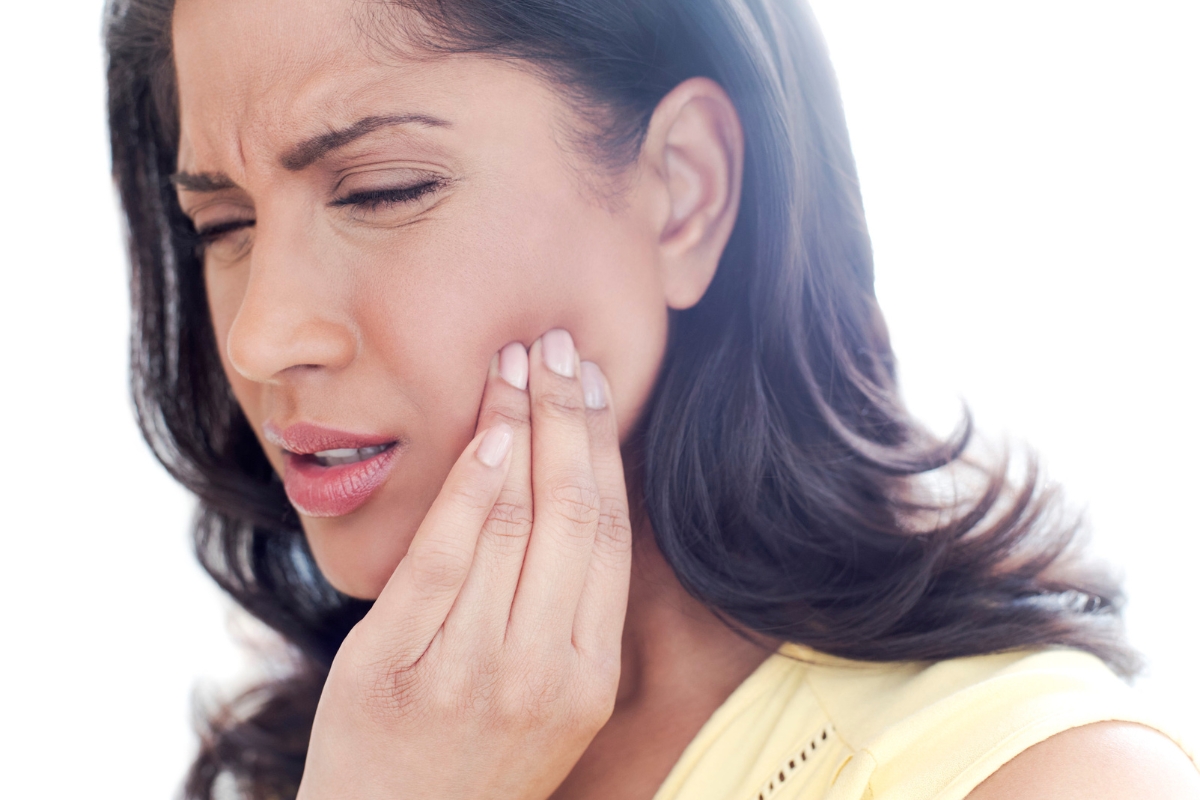
Are you among the estimated 10 million Americans who suffer from temporomandibular joint (TMJ) disorder, which can cause severe pain or headaches? If so, this blog post is for you. You may be feeling overwhelmed and frustrated right now because it seems impossible to get rid of the headache caused by TMJ but don’t give up just yet! There are many things that you can do to alleviate your discomfort while also addressing the underlying causes of your condition. In this comprehensive blog post, we will discuss a range of tactics you can use to successfully manage your TMJ-related headaches and improve your overall quality of life. Read on as we explore the practical ways—all designed to help keep those pesky headaches at bay.
1. Avoid Chewing Gum
Chewing gum can make your jaw muscles tense up and may lead to a headache. Be sure to avoid chewing gum or other hard objects like ice cubes in order to prevent unnecessary strain on your jaw muscles.
2. Practice Relaxation
Stress is one of the most common causes of TMJ-related headaches, so it’s important to practice relaxation techniques such as deep breathing and muscle relaxation exercises in order to keep stress levels low. Additionally, try to avoid stressful situations as much as possible to keep your jaw muscles relaxed and reduce the risk of a headache.
3. Use Heat Therapy
Applying heat therapy can help relax your jaw muscles, providing some relief from soreness and tension-related headaches. Consider using a heating pad or warm compress on the affected area for 15 minutes at a time, several times per day, if needed.
4. Wear an Orthodontic Appliance
Wearing an orthodontic appliance such as a splint or mouthguard can help reposition your lower jaw and reduce pressure on certain areas that could be causing tension-based headaches. Talk with your Oral Surgeon about whether an orthodontic appliance would benefit you.
5. See Your Oral Surgeon Regularly
Finally, it’s vital that you visit your oral surgeon regularly for checkups and cleanings in order to ensure that any underlying oral issues aren’t causing further complications with your TMJ disorder or increasing the frequency of your TMJ-related headaches.
If you suffer from TMJ-related headaches, these five tips can help relieve pain and discomfort while reducing their frequency in the long run. However, suppose symptoms persist despite trying these tips. In that case, you must seek medical attention right away, as chronic TMJ pain may require more specialized treatment options such as physical therapy or even surgery in some cases. In any case, by following these tips and consulting with both your Oral Surgeon and physician when necessary, you should be able to find relief from TMJ-related headaches quickly and effectively!
The Beverly Hills Oral & Facial Surgeon team wishes you the best of luck in finding relief from your TMJ-related headaches. If you need additional assistance in getting your condition under control, please don’t hesitate to contact us, and we would be happy to provide the help and support that you need. Thank you for
Expert Oral Care at Your Fingertips
Experience exceptional oral care tailored to your needs. Contact us to schedule an appointment and explore the transformative possibilities for your oral health. Your brighter smile is just a call away.
