


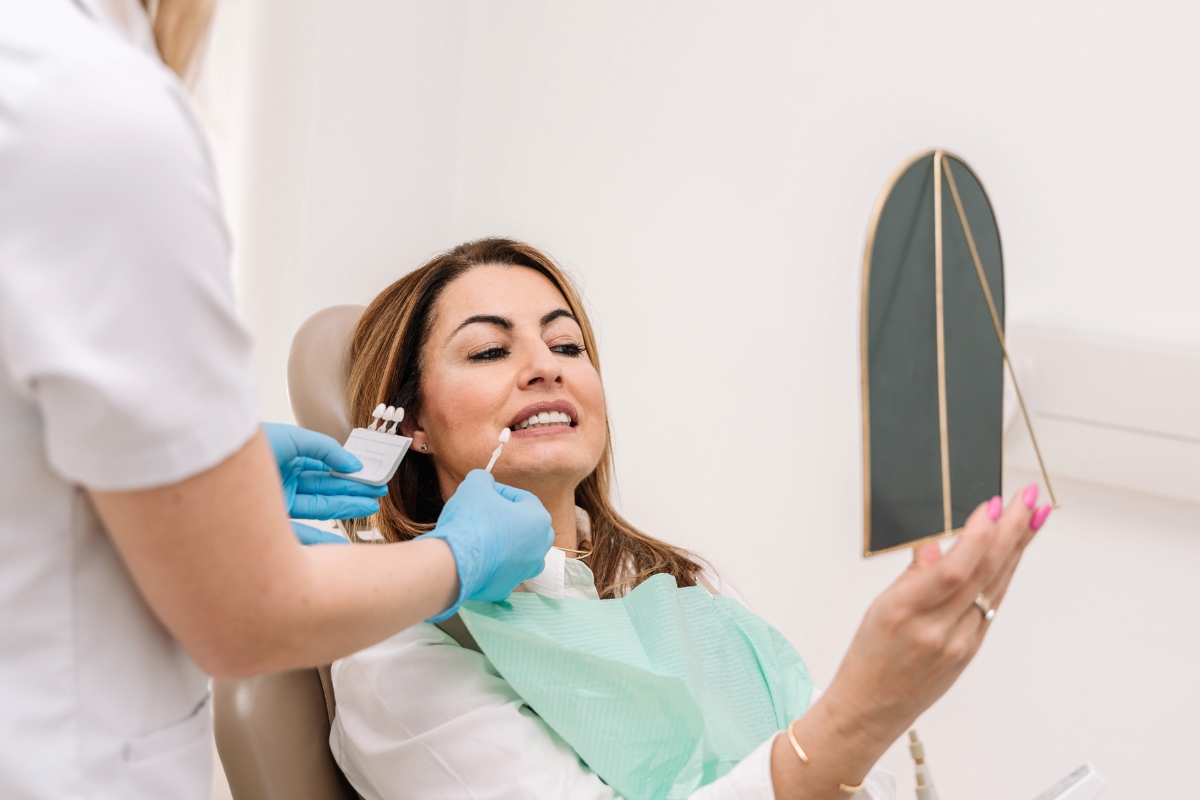
Taking care of your oral health is important, and sometimes oral surgery becomes unavoidable. Whether it’s due to severe pain, an injury, or a long-standing condition, knowing when to visit an oral surgeon in Beverly Hills is crucial for your overall health and well-being. In this blog, we’ll discuss the signs that indicate you may need oral surgery and why seeking help from a professional like the team at Dr. Sam Harouni Oral and Maxillofacial Surgery is essential.
What is Oral Surgery?
Oral surgery encompasses a range of procedures that require the surgical intervention of an oral surgeon. These procedures are typically needed when non-invasive treatments, such as fillings, crowns, or medication, aren’t enough to resolve the issue. Oral surgery may involve extracting teeth, repairing bone damage, or correcting dental alignment.
1. Persistent Jaw or Tooth Pain
One of the most common reasons people seek an oral surgeon in Beverly Hills is persistent tooth or jaw pain. While occasional discomfort is normal, ongoing pain, especially one that worsens over time, should not be ignored.
Common causes of persistent pain include:
- Impacted wisdom teeth
- Infected or abscessed teeth
- Temporomandibular joint (TMJ) disorders
If over-the-counter pain relievers no longer provide relief, it’s time to consider more advanced treatment options. An oral surgeon can perform an evaluation and provide the best solution, whether it’s tooth extraction, root canal therapy, or a procedure to address jaw misalignment.
2. Swelling or Infection in the Mouth
Another strong indication that you might need oral surgery is the presence of swelling or infection that doesn’t go away. Gum infections, abscesses, or cysts in the mouth can cause swelling that may spread to other parts of the face or neck. Infections that do not respond to antibiotics may require surgical drainage or tooth extraction to prevent further complications.
3. Difficulty Chewing or Swallowing
If you experience difficulty chewing or swallowing food, it could be a sign that something is wrong with your teeth, gums, or jaw. Oral surgery can address issues such as misaligned teeth, jaw abnormalities, or growths that obstruct normal mouth function. Difficulty swallowing can also be linked to other conditions that need professional evaluation and intervention.
If your jaw feels “stuck” or you cannot open your mouth fully, this could be another warning sign that you may need surgery. This is often associated with severe cases of TMJ or even trauma to the jaw that requires repair.
4. Misaligned Teeth or Bite Problems
A misaligned bite or severe malocclusion (bad bite) can cause discomfort and problems such as difficulty chewing, jaw pain, and even headaches. In some cases, traditional orthodontic treatment may not be enough to correct these issues. If your bite is significantly off or if you have noticeable gaps, an oral surgeon in Beverly Hills can provide surgical solutions to correct the alignment of your teeth and jaws.
Orthognathic surgery (jaw surgery) can correct jaw misalignments, improving not just function but also facial aesthetics.
5. Loose or Missing Teeth
Adults who experience loose or missing teeth may need oral surgery to replace them or stabilize them. Teeth that are loose due to severe gum disease, trauma, or other dental issues require intervention to prevent further damage or tooth loss.
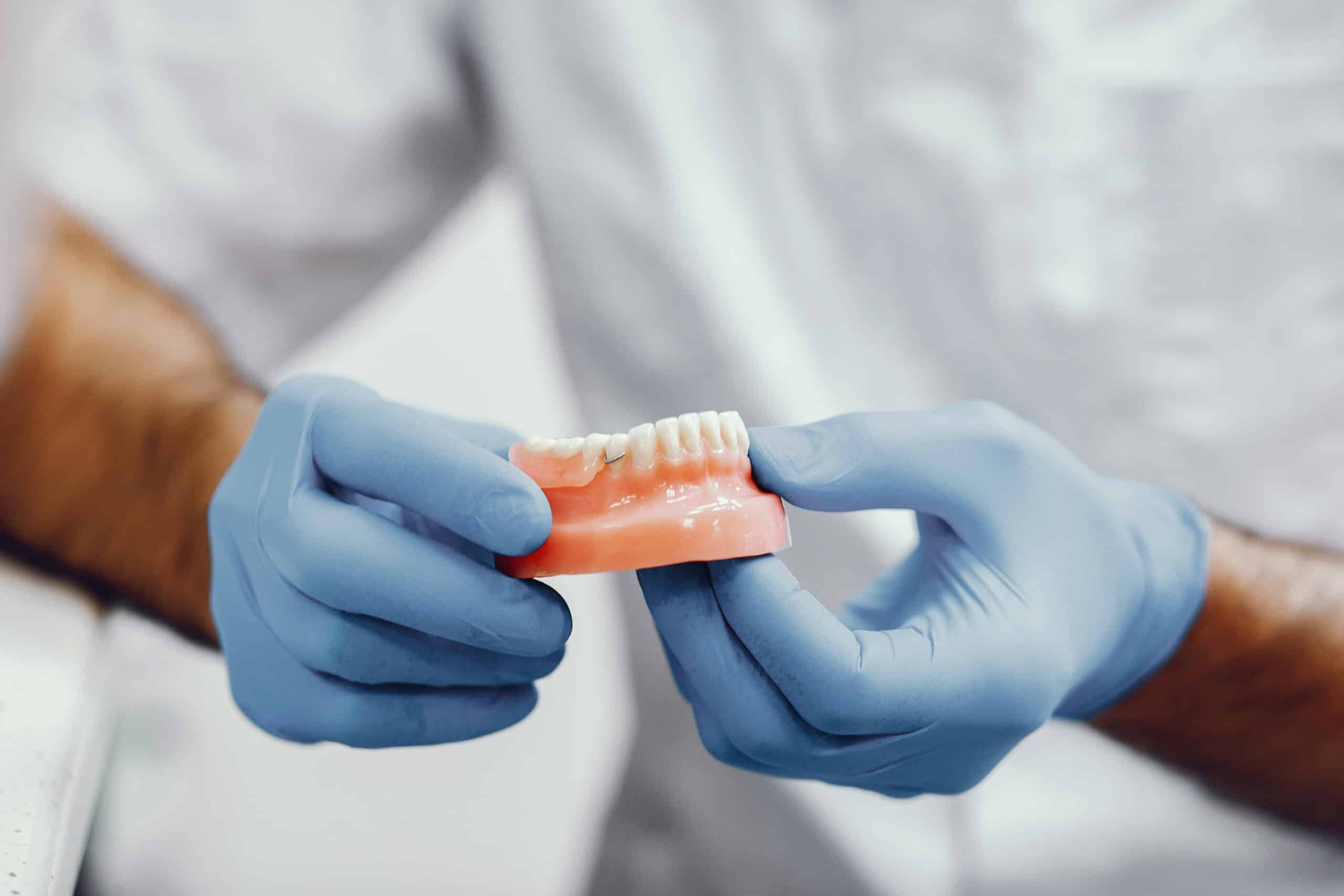
An oral surgeon can discuss options such as dental implants, bridges, or full-mouth restoration procedures. Dental implants are a popular choice, offering a long-lasting solution to missing teeth by mimicking natural tooth function and aesthetics.
6. Jaw or Face Trauma
Accidents can happen, and when they do, they sometimes result in trauma to the teeth or jaw. Broken teeth, fractured jaws, or dislocated teeth require immediate attention from an oral surgeon in Beverly Hills. Depending on the severity of the injury, surgery may be needed to repair the damage and restore functionality.
Whether you’ve been in a car accident or suffered an injury during sports or a fall, an oral surgeon can evaluate the damage and recommend the most appropriate course of action, including bone grafting, tooth extraction, or corrective surgery.
7. Sleep Apnea or Snoring
Sleep apnea, a condition that causes breathing to stop and start during sleep, is serious and may require surgical intervention. If you or a loved one has been diagnosed with severe sleep apnea that doesn’t improve with CPAP or other non-surgical treatments, oral surgery may be necessary.
In certain cases, surgery can adjust the soft tissues in the throat, remove excess tissue, or reposition the jaw to improve airflow during sleep. This helps reduce snoring and prevents the dangerous side effects of untreated sleep apnea.
Why Choose Dr. Sam Harouni Oral and Maxillofacial Surgery for Your Needs?
At Dr. Sam Harouni Oral and Maxillofacial Surgery, we specialize in a variety of oral surgery procedures, including wisdom teeth extraction, dental implants, corrective jaw surgery, and treatments for sleep apnea and facial trauma. Our team of oral surgeons in Beverly Hills uses the latest techniques and technology to ensure that your procedure is as comfortable and effective as possible.
If you’re experiencing any of the signs mentioned above, it’s time to schedule an appointment with our oral surgeons at Dr. Sam Harouni Oral and Maxillofacial Surgery. We are dedicated to providing compassionate care tailored to meet your unique needs.
Call us today at (310) 929-9128 to schedule your consultation and get the care you deserve.
People Also Ask
1. What are the most common types of oral surgery?
Common oral surgeries include wisdom teeth removal, dental implants, corrective jaw surgery, and treatments for infections, cysts, and jaw injuries.
2. How do I prepare for oral surgery?
Preparation varies depending on the type of surgery. Your surgeon will give you specific instructions, but generally, you may need to avoid eating or drinking for several hours before the procedure.
3. Is oral surgery painful?
With modern anesthesia and sedation techniques, oral surgery is generally painless. You may experience some discomfort during recovery, but your oral surgeon will provide guidance on how to manage it.
4. How long does recovery take after oral surgery?
Recovery time depends on the procedure, but most people can return to normal activities within 1–2 weeks. Your surgeon will provide aftercare instructions for a smooth recovery.


Expert Oral Care at Your Fingertips
Experience exceptional oral care tailored to your needs. Contact us to schedule an appointment and explore the transformative possibilities for your oral health. Your brighter smile is just a call away.
