


Introduction
Bone grafting is a critical medical procedure that has gained significant attention due to its importance in various surgical and oral applications. Despite its significance, one question that often perplexes patients and individuals contemplating this procedure is, “Why is bone grafting so expensive?”
In this article, we will delve into bone grafting, exploring its types, cost, and the factors contributing to its expense. We’ll also discuss ways to reduce costs, providing valuable insights for individuals seeking affordable and high-quality solutions.
What is Bone Grafting?
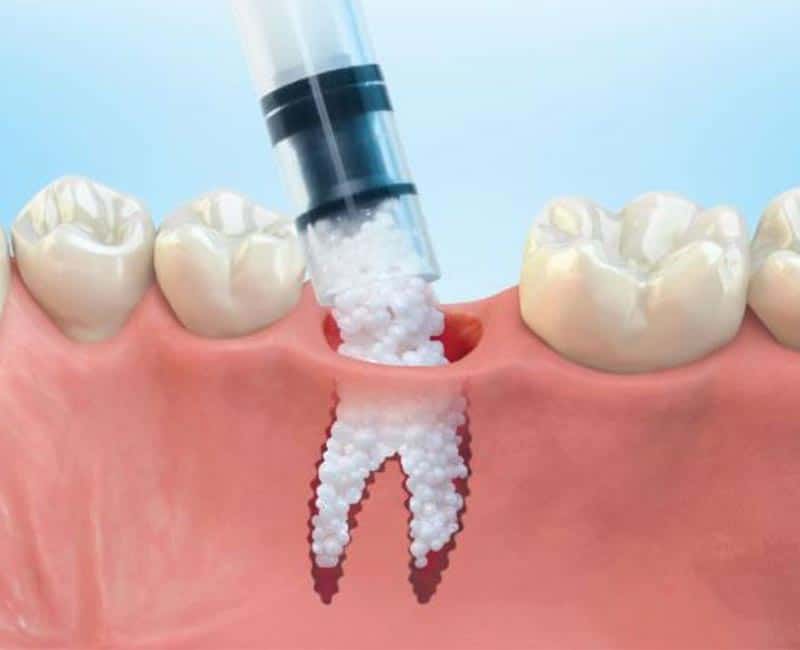
Bone grafting is a surgical procedure designed to repair and regenerate bone tissue in various body parts. This procedure is commonly used in orthopedics, oral surgery, and oral and maxillofacial surgery.
The primary purpose is to promote bone growth, stability, and healing. It is a critical tool for treating fractures, bone defects, and oral health issues, such as dental implants.
Types of Bone Grafts
There are several types of bone grafts, each suited for specific medical or oral applications:
1. Autografts: Autografts involve transplanting a patient’s bone from one part of their body to another. This type of graft is often preferred due to its compatibility and lower risk of immune system rejection.
2. Allografts: Allografts utilize bone tissue donated by another person. These grafts are processed, sterilized, and stored in tissue banks before use. They are valuable when autografts are not feasible.
3. Xenografts: Xenografts involve using bone tissue from animals, typically bovine or porcine sources. These grafts serve as an alternative when human tissue is not available.
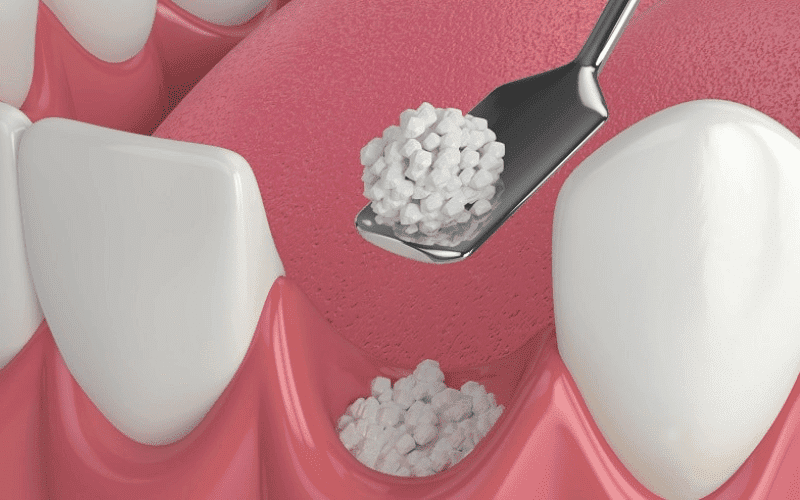
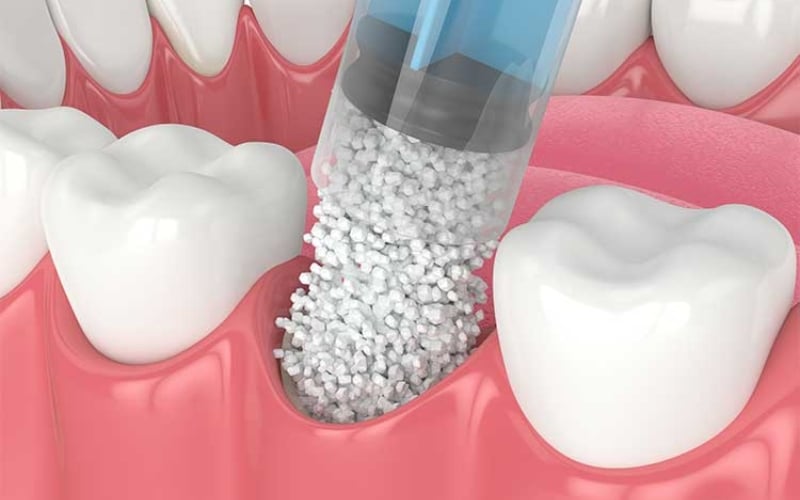
4. Synthetic Bone Grafts: These grafts use synthetic materials such as ceramics, biocompatible polymers, and hydroxyapatite to mimic the properties of natural bone. They are a popular choice when biological sources are not preferred or available.
Why Is Bone Grafting So Expensive?
The cost of bone grafting procedures can be significant, and several factors contribute to their expense.
1. Skill and Expertise: It is a highly specialized procedure that requires the expertise of skilled surgeons or orthopedic professionals. The knowledge and experience of the healthcare provider can significantly affect the cost of the procedure.
2. Equipment and Materials: Bone grafting necessitates using advanced medical equipment, surgical tools, and high-quality bone graft materials. These materials are not only expensive but also require precision for effective application.
3. Regulatory Compliance: The healthcare field, including surgical procedures like bone grafting, is subject to strict regulations and safety standards. Compliance with these regulations, including sterilization and quality control, can add to the overall cost.
4. Patient-Specific Factors: The specific needs of each patient can influence the cost. Factors like the size and location of the graft, the type of bone graft used, and the patient’s overall health play a role in determining the total expense.
5. Medical Insurance: In some cases, bone grafting may not be fully covered by medical insurance, which means that the patient is responsible for a significant portion of the cost. This can be a considerable financial burden for individuals.
The Cost of Bone Grafting
The cost can vary significantly, depending on the type of graft, the complexity of the procedure, the location, and the healthcare provider. On average, bone grafting can cost anywhere from a few hundred to several thousand dollars.
For Oral bone grafts, the cost may range from $300 to $2,000, while orthopedic bone grafts can cost significantly more due to the complexity of the procedure and the materials used.
Factors That Contribute to the Expense
To understand why bone grafting is so expensive, it’s essential to delve deeper into the factors that contribute to its high cost:
1. Professional Expertise: Skilled professionals, such as oral and maxillofacial surgeons, orthopedic surgeons, and oral surgeons, perform bone grafting procedures. Their extensive training, knowledge, and experience justify their fees, making up a significant portion of the overall cost.
2. Specialized Equipment: The equipment required is specialized and often comes at a high cost. These include precision surgical instruments, imaging equipment, and sterilization tools.
3. Quality Graft Materials: The cost of graft materials can vary depending on their source and quality. Autografts and allografts are generally more expensive due to their effectiveness and reduced risk of rejection.
4. Operating Room Costs: In many cases, bone grafting procedures are performed in an operating room, which incurs additional expenses, including facility fees and staff salaries.
5. Pre- and Post-Operative Care: Bone grafting requires a comprehensive approach, including pre-operative assessments and post-operative care, which add to the overall cost.
6. Regulatory Compliance: Healthcare providers must adhere to stringent regulations, from safety standards to infection control, which require additional investments in equipment and personnel.
7. Materials and Technology Advancements: Advancements in medical materials and technology can lead to better outcomes and lower risks for patients. These gains, however, frequently come at a more significant cost.
Reducing Bone Grafting Costs
While bone grafting is a necessary and often unavoidable expense for many patients, there are strategies to help reduce the overall cost:
1. Consult Multiple Providers: Seek opinions and quotes from multiple healthcare providers. Different professionals may offer varying treatment plans and costs.
2. Explore Insurance Coverage: Investigate your medical insurance policies to determine the extent of coverage for bone grafting procedures. Understanding what is covered can help reduce your out-of-pocket expenses.
3. Consider Alternatives: Discuss the possibility of using alternative graft materials, such as synthetic bone grafts, which can be more cost-effective while still delivering excellent results.
4. Payment Plans: Many healthcare providers offer payment plans to help patients spread the cost over time, making it more manageable.
5. Medical Tourism: In some cases, traveling to a different location may be more cost-effective, especially considering lower healthcare costs in certain countries.
6. Seek Financial Assistance: Some healthcare facilities and organizations offer financial assistance or grants to needy patients, helping to alleviate the financial burden of bone grafting.
Bone grafting is a crucial medical procedure that is a lifeline for many individuals needing bone repair and regeneration. However, its expense can be a significant concern for patients. Understanding the reasons behind the high cost, including professional expertise, equipment, materials, and regulatory compliance, is essential for making informed decisions.
To mitigate the financial burden, patients can explore various strategies such as insurance coverage, payment plans, and alternatives to reduce costs. Whether you require orthopedic bone grafting, it is essential to prioritize your health and well-being. Beverly Hills Oral and Facial Surgeon is committed to delivering top-quality care and ensuring you receive the best possible treatment, even when considering the expenses associated with bone grafting.
You can also read our other article: Is Bone Grafting Necessary For Implants?
Expert Oral Care at Your Fingertips
Experience exceptional oral care tailored to your needs. Contact us to schedule an appointment and explore the transformative possibilities for your oral health. Your brighter smile is just a call away.
