


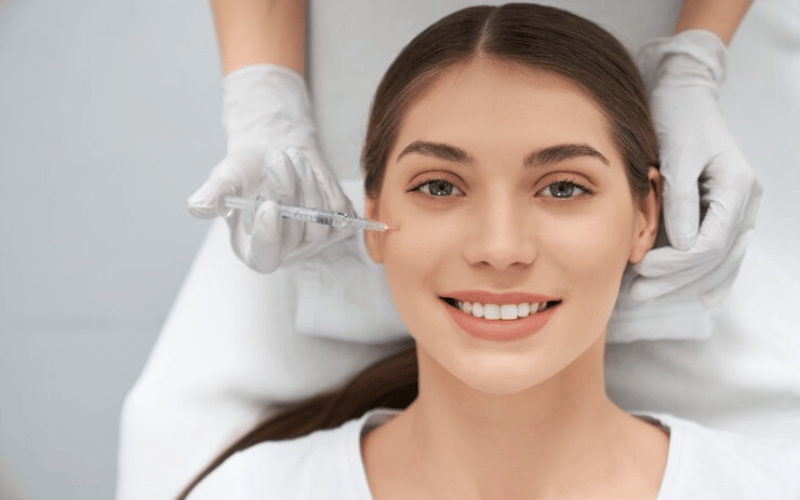
Dermal fillers have become increasingly integrated into dental procedures, particularly in aesthetic treatments. Their versatility enhances smiles by filling in wrinkles, reshaping lips, and augmenting gums. Oral surgeons use fillers to complement traditional treatments, offering patients a comprehensive approach to facial aesthetics and oral health.
This integration reflects a growing trend toward minimally invasive techniques in dental care, providing patients with more options for achieving their desired aesthetic outcomes. As the demand for smile-enhancing procedures continues to rise, the role of dermal fillers in improving facial harmony is becoming increasingly prominent.
What are Dermal Fillers? Dermal fillers are injectable substances that restore volume and fullness to the face. Typically, manufacturers produce them from hyaluronic acid, a naturally occurring substance that helps hydrate and plump the skin. Dermal fillers can smooth out wrinkles and fine lines, enhance facial contours, and add volume to areas that have lost elasticity or fat due to aging.
Commonly, people use dermal fillers to fill in lines around the mouth, plump the lips, and add volume to the cheeks and temples. They are a non-surgical option for facial rejuvenation and can provide immediate results with minimal downtime.
Types of Dermal Fillers Commonly Used in Dental Aesthetics
- Hyaluronic Acid Fillers: The most commonly used dermal fillers in dental aesthetics include hyaluronic acid, a natural substance found in the body that helps maintain skin hydration and volume. Oral surgeons use it to fill in wrinkles and lines around the mouth and lips, as well as to enhance the shape and volume of the lips.
- Calcium Hydroxylapatite Fillers: A gel suspends tiny calcium microspheres to make these fillers. They often fill in deeper wrinkles and lines, such as those around the nose and mouth. Calcium hydroxylapatite fillers stimulate collagen production, providing long-lasting results.
- Poly-L-lactic Acid Fillers: A biocompatible synthetic material that stimulates collagen production makes these fillers, which restore volume and improve the appearance of sunken cheeks and temples. Poly-L-lactic acid fillers provide gradual, natural-looking results over time.
- Polymethyl Methacrylate (PMMA) Fillers: Tiny PMMA microspheres suspended in a collagen-based gel compose PMMA fillers, which dermatologists use to fill in deep wrinkles and lines, such as nasolabial folds. PMMA fillers provide long-lasting results, as the microspheres remain in the skin permanently.
Trained and licensed professionals should administer dermal fillers in dental aesthetics for facial enhancement purposes.
Applications of Dermal Fillers in Dental Aesthetics
- Gingival Augmentation: Dermal fillers augment thin or receding gum tissues, helping to create a more symmetrical and aesthetically pleasing gum line around teeth.
- Wrinkle Reduction: Fillers can be applied around the mouth to reduce the appearance of fine lines and wrinkles, particularly in areas affected by smiling or speaking, enhancing overall facial rejuvenation.
- Lip Enhancement: Oral surgeons use fillers to augment and reshape lips, providing patients with fuller, more defined lip contours that complement their smile and overall facial appearance.
- Temporomandibular Joint (TMJ) Therapy: Dermal fillers can be injected into the temporomandibular joint to alleviate pain and discomfort associated with TMJ disorders, offering a non-surgical alternative for some patients.
- Facial Harmonization: By strategically placing fillers in various facial areas, surgeons can achieve facial harmony and balance, complementing dental treatments and enhancing the overall aesthetic outcome of smile makeovers.
Benefits and Considerations Benefits:
- Enhanced Aesthetics: Dermal fillers can effectively improve the appearance of smiles by filling in wrinkles, augmenting lips, and reshaping gums, leading to a more youthful and attractive facial profile.
- Minimally Invasive: Unlike surgical procedures, dermal filler injections are minimally invasive. They typically require no downtime, which results in fewer patient risks and complications.
- Customizable Results: Surgeons can tailor dermal filler treatments to each patient’s unique needs and desired outcomes, providing personalized enhancements that complement their natural facial features and dental work.
- Versatility: Dermal fillers offer a versatile solution for addressing various aesthetic concerns in dental procedures, including gingival recession, lip asymmetry, and temporomandibular joint (TMJ) pain, providing patients with comprehensive treatment options.
- Quick and Convenient: Dermal filler procedures are often quick and convenient, allowing patients to achieve noticeable results with minimal time commitment, making them suitable for individuals with busy lifestyles.
Considerations:
- Potential Risks: While dermal fillers are generally safe when administered by trained professionals, there are potential risks of adverse reactions, including infection, bruising, swelling, and allergic reactions, which must be discussed with patients during the consultation process.
- Temporary Results: The results of dermal filler treatments are typically temporary, lasting anywhere from several months to a year or more, depending on the type of filler used and individual factors such as metabolism and lifestyle habits. Patients may require periodic touch-up treatments to maintain their desired aesthetic outcomes.
- Cost Considerations: Dermal filler treatments can be costly, and the total expense may vary depending on the type and amount of filler used and the treating oral surgeon’s expertise. Patients should be informed about the financial implications of undergoing dermal filler procedures.
- Bruising and Swelling: Bruising and swelling are common side effects of dermal filler injections, particularly in areas with thinner skin or increased vascularity. Patients should be advised about these potential temporary effects and how to minimize them post-procedure.
- Not Suitable for Everyone: Dermal filler treatments may not be suitable for individuals with certain medical conditions, allergies to filler ingredients, or unrealistic expectations. Surgeons should carefully assess each patient’s candidacy for treatment and discuss alternative options as needed.
Wrap Up!
In conclusion, the integration of dermal fillers in dental procedures showcases a significant advancement in aesthetic and reconstructive treatments. Patient education and informed decision-making are pivotal in ensuring individuals understand the benefits, considerations, and potential risks associated with treatments.
Therefore, it’s paramount for those seeking smile enhancements to consult with qualified dental professionals. Schedule a consultation today with Dr Sam Harouni DDS, Oral and Facial Surgeon, for the perfect smile transformation tailored to your needs. Your dream smile awaits!
Related Articles
Expert Oral Care at Your Fingertips
Experience exceptional oral care tailored to your needs. Contact us to schedule an appointment and explore the transformative possibilities for your oral health. Your brighter smile is just a call away.
