


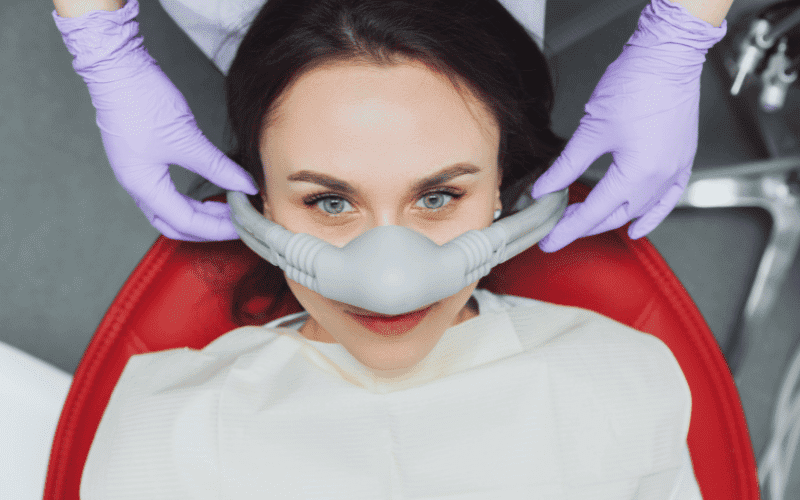
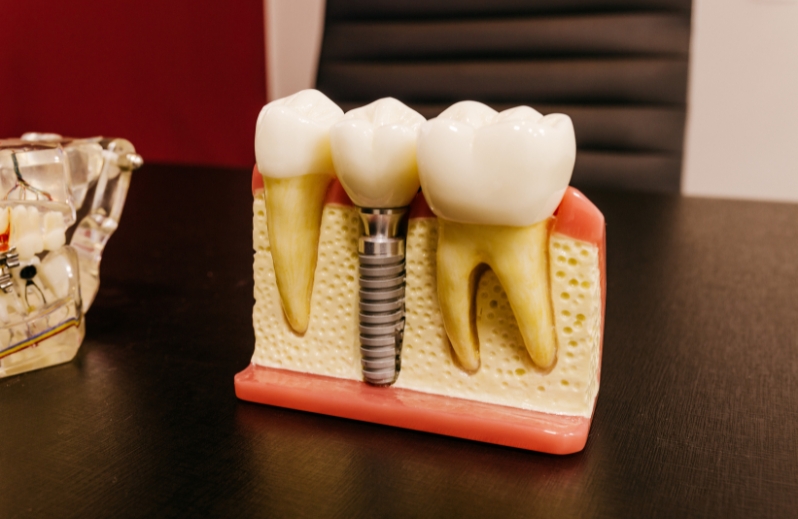
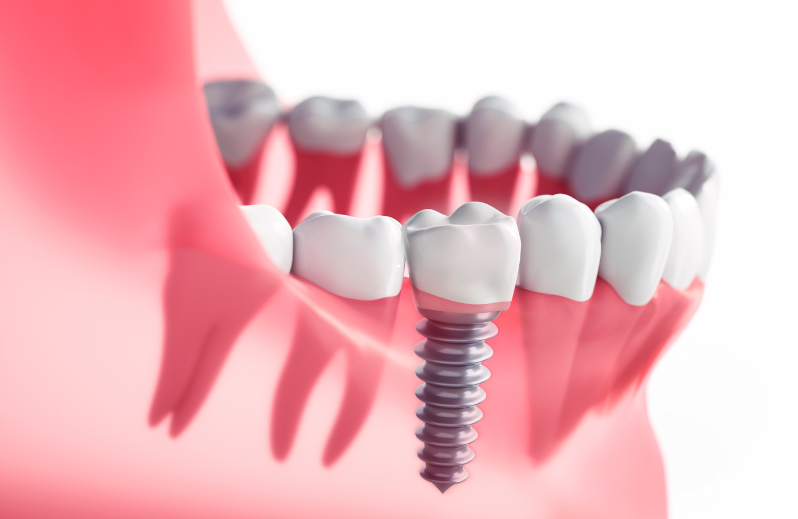
Dental implants are titanium artificial tooth roots surgically implanted into the jawbone to support replacement teeth. While implant surgery typically requires anesthesia for patient comfort, not everyone necessitates full unconsciousness. Sedation for dental implants ranges from local anesthesia to intravenous sedation, catering to individual needs and preferences.
This personalized approach ensures patients are comfortable throughout the procedure while minimizing discomfort and anxiety. Sedation options are tailored to each patient’s requirements, allowing for a smoother and more relaxed dental implant experience.
Types of Anesthesia for Dental Implants
1. Local Anesthesia: This method injects numbing medication directly into the gum tissue surrounding the implant site. It effectively blocks pain signals from reaching the brain, ensuring patients feel no discomfort during the procedure. Local anesthesia is commonly used for routine implant surgeries and is sufficient for most cases.
2. Conscious Sedation: Various forms of conscious sedation are available, including nitrous oxide (laughing gas), oral sedatives, and intravenous (IV) sedation. Nitrous oxide induces a relaxed state; oral sedatives can make patients drowsy but still responsive, while IV sedation provides deeper relaxation without unconsciousness. These options help alleviate anxiety and discomfort during the procedure.
3. General Anesthesia: While not typical for dental implant procedures, general anesthesia may be used for extensive surgeries or in cases of extreme anxiety. It renders the patient completely unconscious and is administered by an anesthesiologist. However, its use is generally reserved for specific situations due to the associated risks and recovery considerations.
Factors Affecting Your Need for Sedation
1. Number of Implants: The number of implants placed can influence the level of sedation required. Multiple implants may necessitate deeper sedation to ensure patient comfort throughout the procedure.
2. Complexity of Surgery: Procedures involving additional steps such as bone grafting or sinus lifts may require stronger sedation to manage discomfort and anxiety effectively.
3. Patient’s Anxiety Level: Individuals with dental phobias or high levels of anxiety may benefit from sedation to alleviate fear and ensure a more relaxed experience during the procedure.
4. Patient’s Medical History: Pre-existing medical conditions can impact the choice of sedation options. Certain health conditions may require sedation or medication adjustments to ensure safety and efficacy during the implant surgery.
Benefits of Sedation for Dental Implants
1. Reduced Anxiety: Sedation helps alleviate anxiety and nervousness, allowing patients to feel more relaxed and comfortable throughout the procedure.
2. Enhanced Comfort: Sedation ensures patients experience minimal discomfort or pain during the implant surgery, improving overall satisfaction with the treatment process.
3. Improved Cooperation: Patients under sedation are often more cooperative during the procedure, facilitating the work and ensuring optimal placement of the implants.
4. Time Efficiency: Sedation can help manage patient discomfort and anxiety, potentially reducing the time required for the procedure by allowing the oral surgeon to work more efficiently.
5. Memory Suppression: Some forms of sedation may induce partial or complete memory suppression of the procedure, which can benefit patients who experience dental anxiety or fear of dental procedures. This can make the experience feel shorter and more manageable for the patient.
Choosing the Right Sedation Option
Discussing your needs and preferences when considering sedation for dental implants is crucial. Your oral surgeon’s expertise and comfort level with various sedation techniques play a significant role in choosing the right option.
Open communication ensures a tailored approach to sedation that aligns with your comfort and safety. Trusting your oral surgeon’s guidance can lead to a smoother and more comfortable experience during the procedure. Ultimately, selecting the appropriate sedation for dental implants involves collaborating with your dental care team prioritizing your comfort and well-being.
Final Words!
In conclusion, it’s essential to understand that general anesthesia is typically unnecessary for most patients for dental implant procedures. Sedation for Dental Implants is often effectively managed through various techniques tailored to individual needs. Consulting with experts like Beverly Hills Oral and Facial Surgeon ensures the selection of the most suitable sedation option for your comfort and safety.
You can confidently navigate the process by emphasizing open communication and collaboration with your dental care team. Schedule a consultation with Beverly Hills Oral and Facial Surgeon today to discover the ideal sedation solution for your dental implant journey. Your comfort is our priority!
Expert Oral Care at Your Fingertips
Experience exceptional oral care tailored to your needs. Contact us to schedule an appointment and explore the transformative possibilities for your oral health. Your brighter smile is just a call away.
