


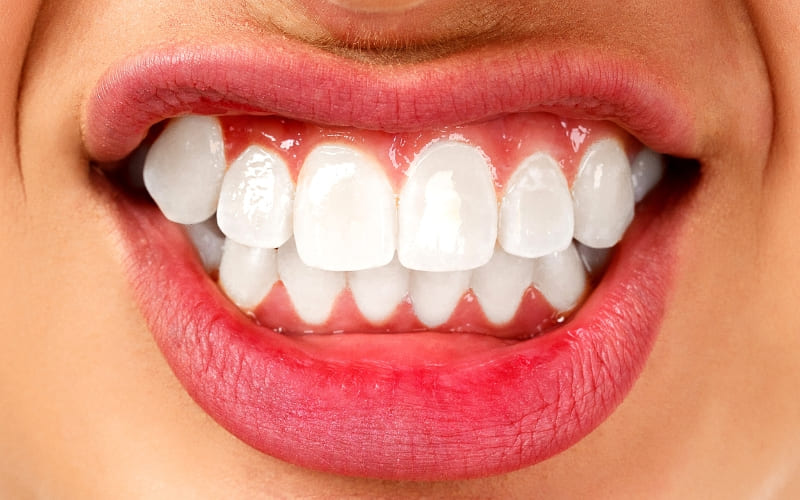
Did you know that approximately 10% of adults and 15% of children suffer from bruxism, commonly known as teeth grinding? This often unnoticed condition can cause severe oral damage, chronic pain, and sleep disturbances. Teeth grinding typically occurs during sleep, making it difficult to diagnose without professional help. Addressing bruxism is crucial, not just for oral health, but for overall well-being, as it can lead to headaches, jaw disorders, and even tooth loss. Recognizing the signs and seeking timely treatment can prevent long-term harm and improve quality of life.
Understanding Teeth Grinding (Bruxism)
Teeth grinding, or bruxism involves clenching or grinding teeth, typically during sleep (nighttime bruxism) or while awake (daytime bruxism). Common symptoms include jaw pain, worn teeth, headaches, and facial soreness. Nighttime bruxism is often detected by a partner or oral surgeon while daytime bruxism is linked to stress and anxiety. Bruxism affects about 10% of adults and 15% of children, with higher prevalence in those with sleep disorders, high-stress levels, or certain medications. Early identification and intervention are key to preventing significant oral damage and improving overall health.
Causes of Teeth Grinding
A. Psychological Factors:
– Stress, Anxiety, and Tension: High levels of stress, anxiety, and tension can trigger bruxism. People often grind their teeth as a physical response to these emotional states.
B. Physical Factors:
– Misaligned Teeth: Irregular alignment of teeth can lead to grinding as the jaw tries to find a comfortable position.
– Sleep Disorders: Conditions like sleep apnea are linked to nighttime bruxism, disrupting normal sleep patterns.
– Medication Side Effects: Certain medications, especially some antidepressants and antipsychotics, can increase the likelihood of teeth grinding.
C. Lifestyle Factors:
– Caffeine: Excessive consumption of caffeine, particularly before bedtime, can increase bruxism.
– Alcohol: Alcohol can disrupt sleep patterns, contributing to nighttime teeth grinding.
– Smoking: Tobacco use has been associated with a higher risk of bruxism, potentially due to its stimulating effects.
Potential Health Risks and Complications
A. Oral Damage:
– Worn Enamel: Constant grinding wears down the protective enamel on teeth, increasing sensitivity and susceptibility to cavities.
– Cracked or Chipped Teeth: The pressure from grinding can lead to cracked or chipped teeth, requiring restorative oral surgery.
B. Jaw Disorders:
– TMJ (Temporomandibular Joint) Issues: Bruxism can strain the temporomandibular joints, leading to pain, clicking sounds, and difficulty in opening or closing the mouth.
C. Chronic Pain:
– Headaches: Frequent headaches, particularly in the temples, can result from the muscle tension caused by grinding.
– Earaches and Facial Pain: The strain on facial muscles and joints can lead to persistent earaches and facial pain.
D. Sleep Disturbances:
– Impact on Sleep Quality: Bruxism can disturb sleep cycles, resulting in poor quality sleep and daily weariness.
– Partner Disturbance: The noise and movement from teeth grinding can also disturb a sleeping partner, affecting their sleep quality.
Treatment Options
A. Behavioral Interventions:
– Stress Management Techniques: Implementing stress reduction practices such as yoga, meditation, and deep breathing exercises can help alleviate bruxism caused by anxiety and tension.
– Therapy: Cognitive-behavioral therapy (CBT) can address underlying psychological issues contributing to teeth grinding.
B. Oral Treatments:
– Mouthguards: Custom-fitted mouthguards or splints protect teeth from grinding damage and help reduce jaw strain.
– Oral Correction: In some cases, correcting misaligned teeth through orthodontic treatment can reduce bruxism.
C. Medical Treatments:
– Medication: Muscle relaxants, anti-anxiety medications, or Botox injections may be prescribed to reduce muscle activity and alleviate symptoms.
– Treatment for Underlying Conditions: Addressing related conditions such as sleep apnea can significantly reduce nighttime bruxism.
D. Lifestyle Changes:
– Reducing Caffeine and Alcohol: Limiting intake of caffeine and alcohol, particularly in the evening, can decrease teeth grinding.
– Quitting Smoking: Eliminating tobacco use can reduce bruxism, as smoking is linked to increased muscle activity.
– Improving Sleep Hygiene: Establishing a regular sleep routine, creating a relaxing bedtime environment, and avoiding electronic devices before bed can improve sleep quality and reduce grinding.
Final Words!
In conclusion, we have explored the multifaceted aspects of teeth grinding, or bruxism. From its causes—ranging from stress and misaligned teeth to lifestyle factors like caffeine and smoking—to its potential health risks such as oral damage, jaw disorders, chronic pain, and sleep disturbances. Prompt diagnosis through self-assessment and professional oral health check-ups is crucial. Early intervention with behavioral strategies, oral treatments like mouthguards, and medical options can alleviate symptoms effectively. Remember, addressing bruxism early can prevent serious complications. If you suspect bruxism, consult an Oral Surgeon in Beverly Hills promptly for personalized care and treatment options.
Related Articles
Expert Oral Care at Your Fingertips
Experience exceptional oral care tailored to your needs. Contact us to schedule an appointment and explore the transformative possibilities for your oral health. Your brighter smile is just a call away.
