


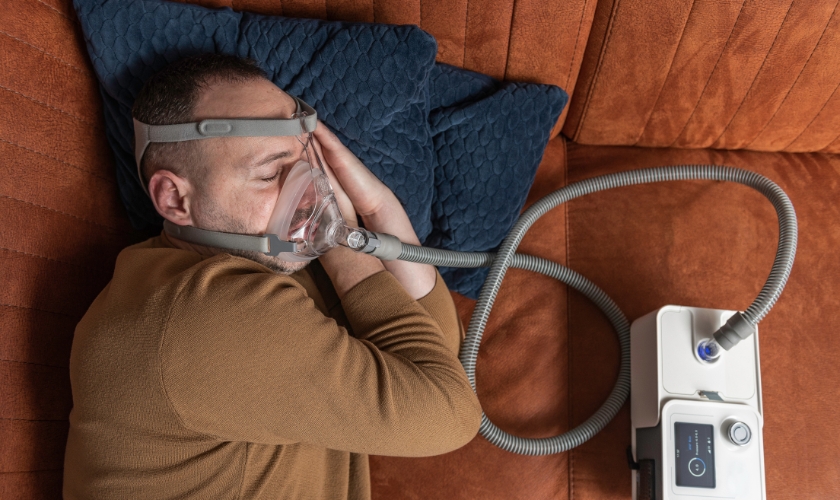
Sleep apnea is a serious sleep disorder characterized by repeated breathing pauses throughout the night. These pauses disrupt sleep, leading to daytime fatigue, difficulty concentrating, and an increased risk of health problems like heart disease and stroke. While Continuous Positive Airway Pressure (CPAP) therapy is the gold standard treatment for sleep apnea, many people seek out natural remedies as a first line of defense or as a way to complement their CPAP treatment.
This blog explores various natural remedies for sleep apnea, examining their potential effectiveness and limitations. Remember, it’s crucial to consult with a doctor to diagnose and treat sleep apnea. Self-treating with natural remedies can be dangerous, especially if you have a severe case.
Natural Remedies for Sleep Apnea
Here’s a breakdown of some popular natural remedies for sleep apnea, along with their potential benefits and drawbacks:
- Weight Loss: If you’re overweight or obese, losing weight can significantly improve sleep apnea symptoms. Excess weight can contribute to airway narrowing, making breathing more difficult during sleep. Studies have shown that even modest weight loss can lead to significant reductions in the severity of sleep apnea.
- Sleeping Positional Therapy: For some people with OSA, sleeping on their side instead of their back can help keep the airway open. This is because the tongue is less likely to fall back and block the airway when sleeping on your side. Special pillows designed to encourage side sleeping can be helpful.
- Nasal decongestants: If nasal congestion is contributing to your sleep apnea, over-the-counter nasal decongestants or saline nasal sprays may offer temporary relief. However, be cautious about using decongestants for extended periods, as they can cause rebound congestion.
- Supplements: Several supplements, including Vitamin D, Melatonin, and fish oil, have been studied for their potential benefits in sleep apnea. However, the evidence for their effectiveness is limited and inconclusive. More research is needed to determine if these supplements can play a role in managing sleep apnea.
- Oral Appliances: Custom-made oral devices can sometimes be helpful in mild cases of OSA. These appliances work by gently repositioning the jaw and tongue to keep the airway open during sleep. However, they are not suitable for everyone and require regular monitoring by an oral surgeon. Consulting with a board-certified oral & maxillofacial surgeon specializing in sleep apnea treatment in Beverly Hills, CA, is crucial to determine if an oral appliance is a suitable option for you.
What Doesn’t Work for Sleep Apnea
- Over-the-Counter Supplements: While certain supplements like magnesium or melatonin may aid sleep quality, there is limited evidence supporting their effectiveness in treating sleep apnea directly.
- Herbal Remedies: Herbal supplements such as valerian root or chamomile tea are known for their calming effects but have not been scientifically proven to treat sleep apnea or its underlying causes.
- Homeopathic Treatments: Homeopathy relies on highly diluted substances to stimulate the body’s natural healing processes. However, there is insufficient scientific evidence to support its efficacy in managing sleep apnea.
Seeking Professional Guidance
If you suspect you have sleep apnea or are considering natural remedies, it’s crucial to consult with a board-certified oral surgeon. They can provide a comprehensive evaluation, diagnose the severity of your condition, and recommend appropriate treatment options.
Important Considerations
While some natural remedies may offer some relief for mild sleep apnea symptoms, it’s important to remember that they are not a substitute for proper medical diagnosis and treatment. Here’s why:
- Untreated sleep apnea can have serious health consequences. If not treated, sleep apnea can increase your risk of heart disease, stroke, high blood pressure, and diabetes.
- Natural remedies may not be effective for everyone. The effectiveness of natural remedies can vary depending on the severity of your sleep apnea and the underlying cause.
- Natural remedies may interact with medications. Always discuss any natural remedies you’re considering with your oral surgeon to avoid potential interactions with medications you’re already taking.
If you think you might have sleep apnea, it is essential to arrange a meeting with an oral surgeon. The oral surgeon can identify the condition, assess its seriousness, and suggest suitable treatment methods, such as CPAP therapy, lifestyle adjustments, or a mix of approaches. While natural remedies may provide some additional advantages, they should not be seen as a substitute for expert medical guidance and care. Meeting with a professional oral surgeon who specializes in sleep apnea treatment in Beverly Hills, CA, is the initial move toward a peaceful night’s sleep and enhanced general well-being.
Expert Oral Care at Your Fingertips
Experience exceptional oral care tailored to your needs. Contact us to schedule an appointment and explore the transformative possibilities for your oral health. Your brighter smile is just a call away.
