


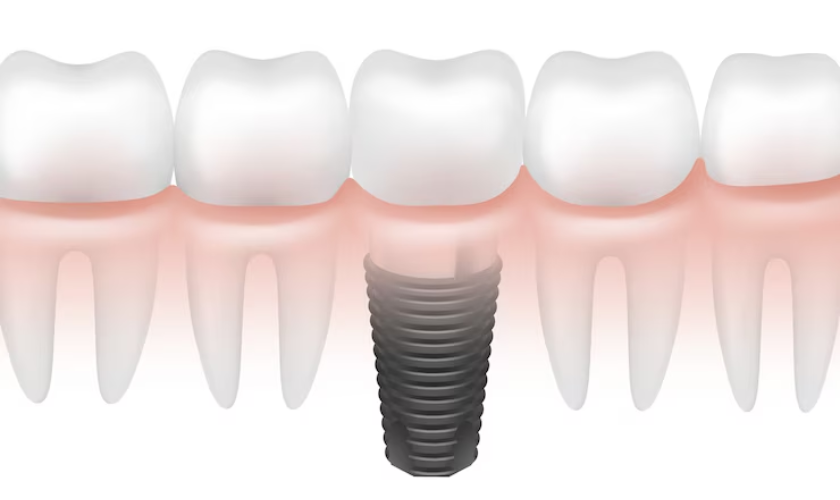
Dental implants offer a revolutionary solution for individuals seeking a permanent and natural-looking replacement for missing teeth. Unlike dentures or bridges, which may shift or require regular maintenance, implants provide a stable, long-lasting foundation that mimics the function and appearance of natural teeth.
Here’s a blog where the main advantages of dental implants will be discussed and how they help in maintaining your facial structure. This not only restores a confident smile but also improves overall oral health and functionality. Let’s jump into the reading!
Dental Implants: Pros & Cons
Function Similarly To Real Teeth
The fact that an implant restores complete chewing capability is one of its greatest benefits. Most patients aren’t able to differentiate between their implanted tooth and their natural teeth. They can brush and floss regularly, and they can eat entirely generally while using it.
Last a lifetime
Dental implants can last a lifetime. However, a dental bridge can only last around 10 years. The implant is manufactured from titanium and connects to the jawbone. Because it is biocompatible, the body does not reject it, and it is not poisonous. Overall, it’s a strong substitute tooth.
Prevent Bone Loss
When you lose a tooth, the jaw bone becomes degenerate since it is not stimulated. A tooth loss causes a bone region to lose 25% of its volume if no implant is put in within a year, and the bone loss worsens with time.
Because dentures frequently come loose and scrape on the bony ridge, gradually eroding it away, they can further hasten the loss of bone. An implant offers the necessary stimulus for bone formation since it replaces both the tooth and the root, allowing for normal chewing.
Hold The Adjacent Teeth Steady
It’s possible for neighboring teeth to move unevenly in the direction of a missing tooth. Your teeth become misaligned as a result, which may affect how you bite, chew, and appear.
It may result in interference that subsequently complicates tooth replacement. A bad bite can cause discomfort and headaches as well as problems with your temporomandibular joint, or TMJ.
Keep You Gum Disease-free
Gum disease can result from a missing tooth gap that serves as a trap for food particles and germs.
Prevent Facial Sagging & premature Aging
One unintended consequence of bone loss brought on by tooth loss is facial drooping. The space between the chin and the tip of the nose gradually gets less at this point as the bottom portion of the face begins to collapse.
A more pointed chin, thinner lips, and an abundance of lines around the mouth can all contribute to a person’s appearance of being much older than they are.
Dental Implants Vs. Dentures
Strong Teeth That Can Chew Food Well!
When comparing dental implants to traditional dentures, dental implants offer a significantly superior experience. Dentures, even those that initially fit well, often begin to slip and cause discomfort over time because of continuous loss of jaw bone.
Maintaining denture stability can be challenging because the bony ridges that support them wear down, causing them to loosen. One of the most frustrating and unhealthy aspects of dentures is their reduced chewing power. Many people find themselves having to restrict their diet because they are unable to chew certain foods with dentures properly.
If you’re deciding between traditional dentures and implant-supported restorations, here are a few key points to consider:
- Stability and Adhesives: Dentures often require adhesive to stay in place and may need reapplication after meals. In contrast, implant-supported dentures are securely anchored and do not require adhesive.
- Maintenance: Dentures need to be removed for cleaning, while implant-supported restorations can be maintained with regular brushing and flossing, similar to natural teeth.
- Comfort: Dentures cover the roof of your mouth, potentially interfering with taste and comfort. Implants, however, do not cover the palate, allowing for a more natural feel and taste experience.
- Chewing Power: Dentures typically offer only about 10% of full chewing power and can shift while eating. Implants provide full chewing power and enhance the stability of implant-supported bridges or dentures.
- Bone Health: Dentures can click while eating and do not stimulate the jawbone, potentially leading to bone loss. Conversely, implants provide stable support and help preserve jawbone density through natural chewing stimulation.
Dental Implants vs. Dental Bridges
A More Affordable & Natural Replacement
Dental bridges and implants are two popular solutions for replacing missing teeth, but they offer different benefits and drawbacks. Here’s a comparison to help you understand why dental implants might be a better choice for many people.
- A dental bridge is made of one or more prosthetic teeth supported by adjacent healthy teeth, which are capped to hold the bridge in place. While bridges can effectively replace one or two missing teeth, they require altering the neighboring healthy teeth, which is not ideal.
- In contrast, dental implants provide a more natural replacement by placing a titanium implanted into the mandible, providing a solid framework for an artificial tooth. Unlike bridges, implants do not require modifying adjacent teeth, preserving their health and integrity.
- Although a dental bridge may seem more affordable initially, it typically has a shorter lifespan of five to ten years. Dental implants, on the other hand, can last a lifetime with proper care. This longevity means that, in the long run, dental implants can be more cost-effective despite their higher upfront cost.
In the end, the primary benefit of dental implants is their remarkable stability and longevity, providing a long-term replacement for lost teeth. They offer the comfort of a permanent solution while also improving dental health, functionality, and appearance.
Dental implants provide a dependable method of restoring your smile, in contrast to transient solutions like bridges or dentures. To find out if implants are suitable for you, speak with your oral surgeon. They may improve your quality of life and change your smile with the right maintenance.
Related Articles
Expert Oral Care at Your Fingertips
Experience exceptional oral care tailored to your needs. Contact us to schedule an appointment and explore the transformative possibilities for your oral health. Your brighter smile is just a call away.
