



Introduction
Are you ready to embark on an incredible journey of transformation and self-discovery? Join us as we delve into the captivating world of corrective jaw surgery, where science meets artistry to create a smile that is not only beautiful but also functional.
In this step-by-step guide, we will unravel the secrets behind this life-changing procedure, from initial consultations and pre-surgery preparations to the exhilarating moment when your new jaw takes shape. Get ready to witness firsthand how modern medicine can reshape more than just bones – it can reshape lives. Buckle up because this journey promises to be nothing short of extraordinary!
Step 1: Initial Consultation
The journey begins with a consultation with an oral and maxillofacial surgeon (OMS). You’ll discuss your concerns, medical history, and treatment goals during this meeting. The surgeon will thoroughly examine, including X-rays, photographs, and impressions. This evaluation helps determine whether you’re suitable for corrective jaw surgery.
Step 2: Treatment Planning For Corrective Jaw Surgery
The next step involves detailed treatment planning if corrective jaw surgery is recommended. This phase includes:
1. Comprehensive Imaging: Advanced imaging, such as 3D cone-beam CT scans, helps create a precise three-dimensional model of your facial structure.
2. Orthodontic Evaluation: Collaborating with an orthodontist is crucial. Braces are often required to align your teeth properly before surgery.
3. Virtual Surgical Planning (VSP): Using the 3D model, the surgical team employs virtual surgical planning software to design the adjustments needed for your jaw.
4. Discussion of Treatment: Your surgeon will explain the procedure, including potential risks, benefits, and expected outcomes. You’ll have an opportunity to ask questions and address any concerns.
Step 3: Preparing for Surgery
Before the surgery date, you’ll need to prepare:
1. Orthodontic Treatment: If you don’t already have braces, you may need to get them. The orthodontic phase ensures your teeth are properly aligned for the surgical changes.
2. Medical Evaluations: You’ll undergo a series of medical evaluations to ensure you’re in good health for surgery.
3. Mental Preparation: Preparing mentally is just as important as physical preparation. Understanding the process and what to expect can help ease anxiety.
Step 4: The Surgical Procedure
The day of surgery arrives, and you’ll be admitted to the hospital or surgical center. Here’s what happens during the procedure:
1. Anesthesia: You’ll be placed under general anesthesia to ensure you’re completely unconscious and pain-free throughout the surgery.
2. Incisions: The surgeon makes precise incisions inside your mouth to access the jawbones. This eliminates the need for external facial incisions, minimizing visible scarring.
3. Bone Adjustment: The surgeon makes the necessary adjustments to your upper and lower jawbones using the virtual surgical plan as a guide.
4. Fixation: Small titanium screws, plates, or wires hold the bones in new positions.
5. Closing Incisions: The incisions are closed with dissolvable sutures once the adjustments are complete.
Step 5: Post-Operative Recovery
After the surgery, you’ll spend some time in the recovery room to wake up from anesthesia. Here’s what to expect during the recovery period:
1. Hospital Stay: Depending on the complexity of the procedure, you may stay in the hospital for a day or two.
2. Pain Management: You’ll receive pain medication to manage post-operative discomfort.
3. Swelling and Bruising: Swelling and bruising are common and may peak within the first 48 hours. Applying cold packs can help reduce swelling.
4. Diet Modifications: You’ll be on a soft diet for several weeks to allow your jaw to heal. Nutrient-rich smoothies, soups, and pureed foods are typically recommended.
5. Oral Hygiene: Maintaining excellent oral hygiene is crucial. Your surgeon will provide instructions on how to clean your mouth without disrupting the surgical sites.
6. Orthodontic Adjustments: Orthodontic treatment continues after surgery to fine-tune your bite and alignment.
Step 6: Follow-Up Appointments
You’ll have several follow-up appointments with your surgeon to monitor your progress and ensure proper healing. These appointments are essential to address any concerns and make any necessary adjustments.
Step 7: Final Results
The full benefits of corrective jaw surgery become evident as your jaw fully heals and orthodontic treatment progresses. Patients often experience improved facial harmony, better bite function, and enhanced confidence in their appearance.
Corrective jaw surgery is a multi-step process that requires careful planning, collaboration between specialists, and a commitment to post-operative care. While it may seem complex, the journey of corrective jaw surgery can lead to life-changing improvements in function and aesthetics. If you’re considering this procedure, consult an experienced oral and maxillofacial surgeon who can guide you through each step, ensuring the best possible outcome for your unique case.
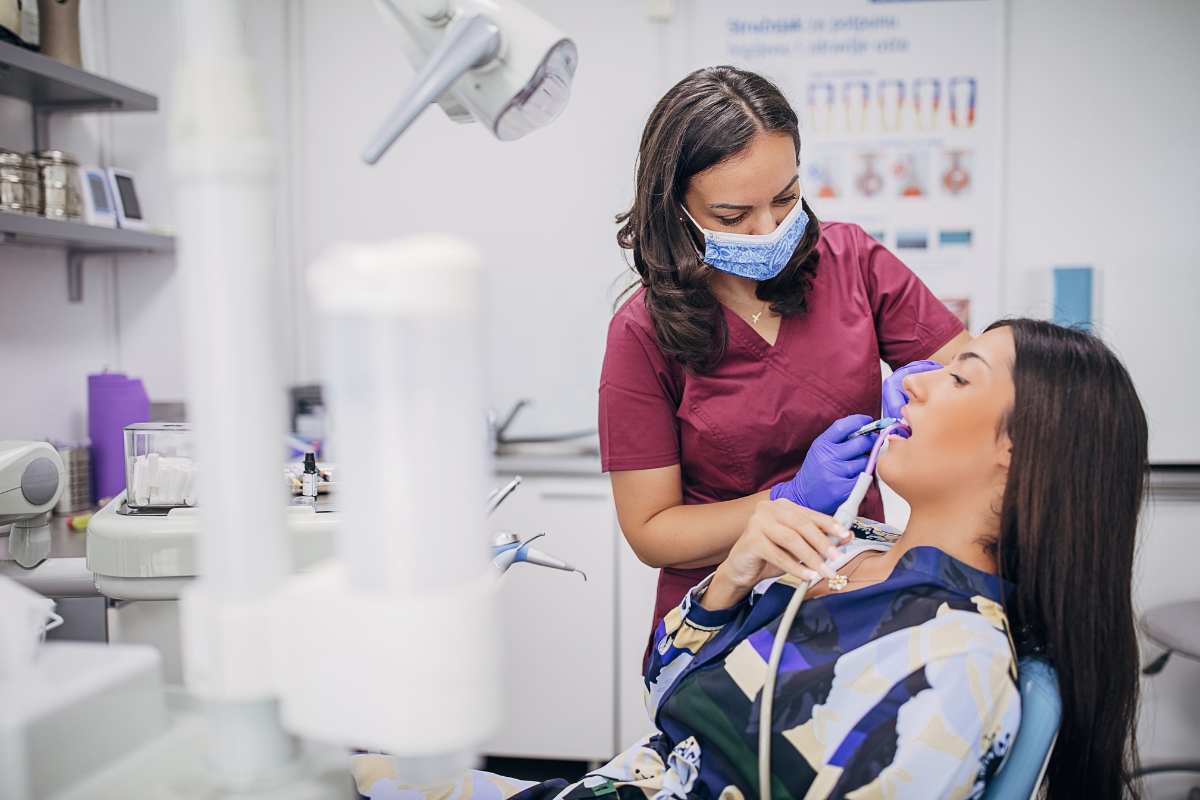


Expert Oral Care at Your Fingertips
Experience exceptional oral care tailored to your needs. Contact us to schedule an appointment and explore the transformative possibilities for your oral health. Your brighter smile is just a call away.
