


Introduction
The world of dental implants has witnessed remarkable advancements in recent years, offering patients a viable solution to restore their smiles and oral function. However, the success of dental implants often hinges on the availability of adequate bone support. When there’s insufficient bone mass or quality in the implant area, a common question arises: Is bone grafting necessary for implants?
In this blog, we’ll explore the role of bone grafting in implant oral surgery, its sources, necessity, benefits, and, ultimately, whether it’s a crucial step in achieving the perfect smile.
Definition and Purpose of Bone Grafting
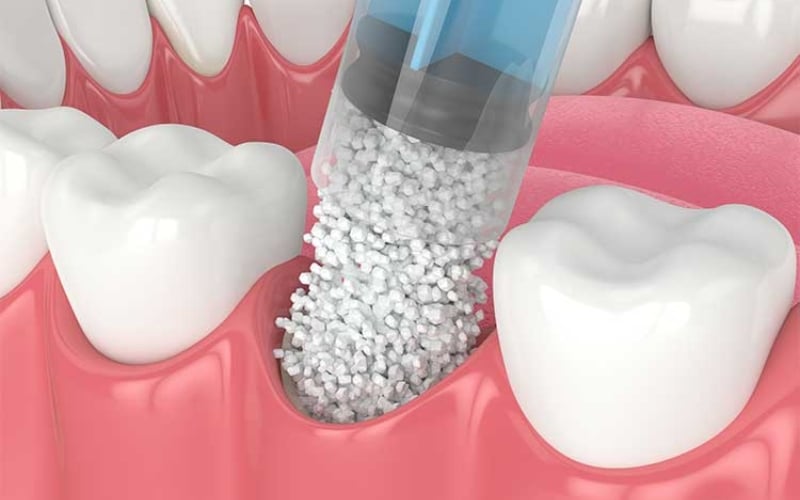
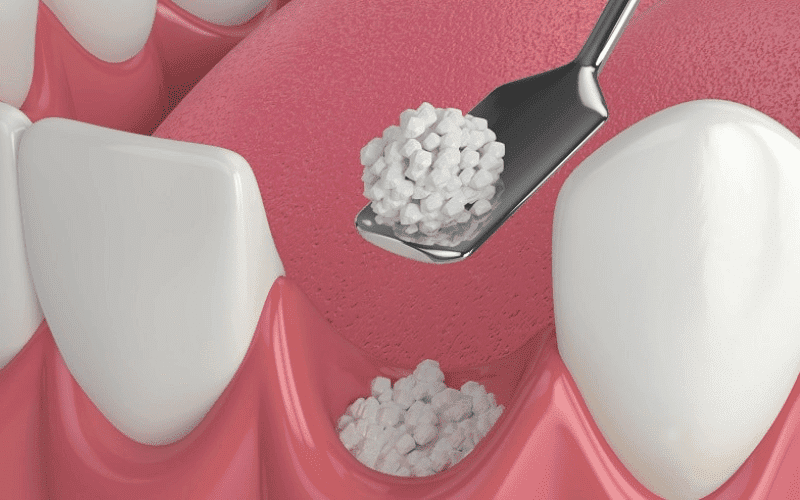
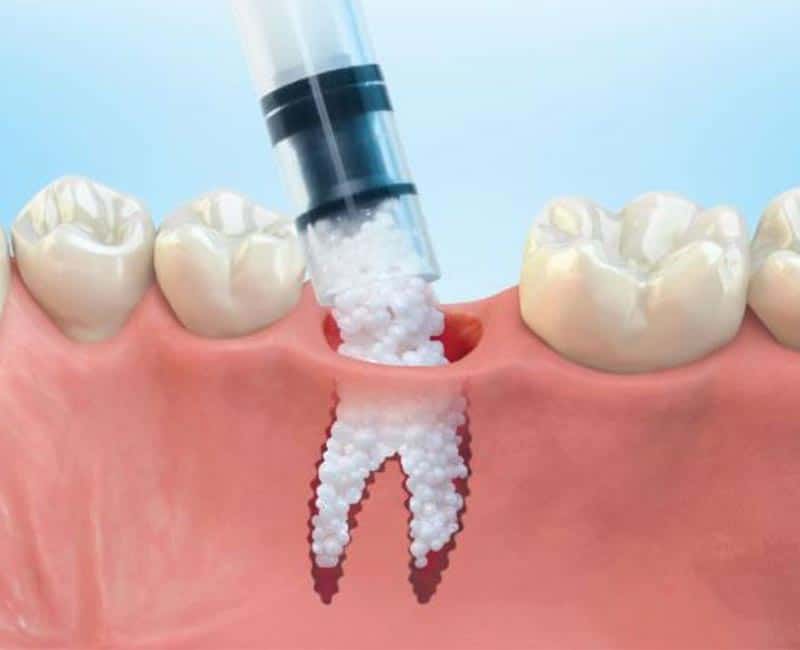
Bone grafting is a surgical procedure to replace or augment missing or damaged bone. In the context of dental implants, it involves placing graft material into the jawbone to enhance its strength, density, or volume.
The primary goal of bone grafting for implants is to provide a stable foundation for the artificial tooth root to anchor securely, ensuring the long-term success of the implant.
Sources of Bone Graft Material
1. Autografts:
Autografts are bone grafts harvested from the patient’s body, typically from the hip, chin, or jaw. These grafts are considered the gold standard because they pose minimal risk of rejection and provide high-quality bone material.
2. Allografts:
Allografts are bone grafts obtained from human donors. The material is thoroughly processed and sterilized to reduce the risk of infection and immune rejection. Allografts are an excellent option for those who prefer not to use their bone tissue.
3. Xenografts:
Xenografts are animal bone grafts, usually bovine (cow) or porcine (pig) bone. These materials are compatible with the human body since they have undergone antigen removal processing.
Xenografts are often used when there is a shortage of autograft or allograft material.
4. Synthetic Grafts:
Synthetic bone graft materials are artificial and come in various forms, such as ceramics, hydroxyapatite, and calcium sulphate.
They are biocompatible and provide structural support while encouraging the body to produce its bone tissue over time.
When Is Bone Grafting Necessary?
1. Insufficient Bone Volume:
When there is not enough bone mass in the implant area to support a dental implant, bone grafting is necessary.
Gum disease, tooth loss, and other Oral disorders that cause bone resorption can cause this.
2. Bone Quality:
In some cases, the existing bone may be of poor quality, lacking the necessary density for implant stability.
Bone grafting can improve bone quality and create a suitable environment for successful implant placement.
3. Sinus Lift:
A sinus lift may be required for implants in the upper jaw close to the sinus cavities. This procedure involves lifting the sinus membrane and placing bone graft material to create sufficient space for implant placement.
4. Ridge Augmentation:
Ridge augmentation is a form of bone grafting that aims to increase the width or height of the jawbone to accommodate implants. It is often needed when there is significant bone loss.
Benefits of Bone Grafting
1. Enhanced Implant Success:
The primary benefit of bone grafting is that it significantly increases the success rate of dental implants. The implants are less likely to fail or become loose with a stable foundation over time.
2. Improved Aesthetics:
Bone grafting can help restore facial contours and aesthetics by preventing the sunken appearance that often accompanies bone loss in the jaw.
3. Greater Implant Versatility:
With adequate bone support, patients may have more options when choosing implant sizes and types and a better chance of avoiding complex procedures like nerve repositioning.
4. Long-Term Solution:
Bone grafting sets the stage for long-lasting dental implants, promoting oral health and overall well-being.
Is Bone Grafting Necessary for Implants?
There isn’t a universally applicable approach regarding the necessity of bone grafting for implants. It depends on the particular circumstances that each patient has. While some people may have sufficient bone for implant placement, others may require bone grafting to ensure the success of their dental implants.
The need for bone grafting may depend on a number of factors, including the type of dental implant being used, its placement, and the amount and quality of preexisting bone. A consultation with a qualified oral and facial surgeon, like those at Beverly Hills Oral & Facial Surgeon, can provide a personalized assessment to determine whether bone grafting is necessary for your implant procedure.
Wrap Up!
In dental implants, bone grafting ensures your new smile’s long-term success and stability. The necessity of bone grafting for implants can vary from patient to patient, but it is a vital option when there is insufficient bone volume or quality in the implant area.
By choosing Beverly Hills Oral & Facial Surgeon, you are putting your oral health in the hands of experienced professionals who can provide you with expert guidance and personalized treatment plans. Whether you require bone grafting or not, their commitment to excellence and patient care ensures your dental implant journey is as smooth and successful as possible.
Thus, if you’re considering dental implants, consult Beverly Hills’s oral and facial surgeon to determine the best course of action for your particular situation. With the right team, you’ll be one step closer to having a lifetime of beautiful and valuable smiles.
Expert Oral Care at Your Fingertips
Experience exceptional oral care tailored to your needs. Contact us to schedule an appointment and explore the transformative possibilities for your oral health. Your brighter smile is just a call away.
