


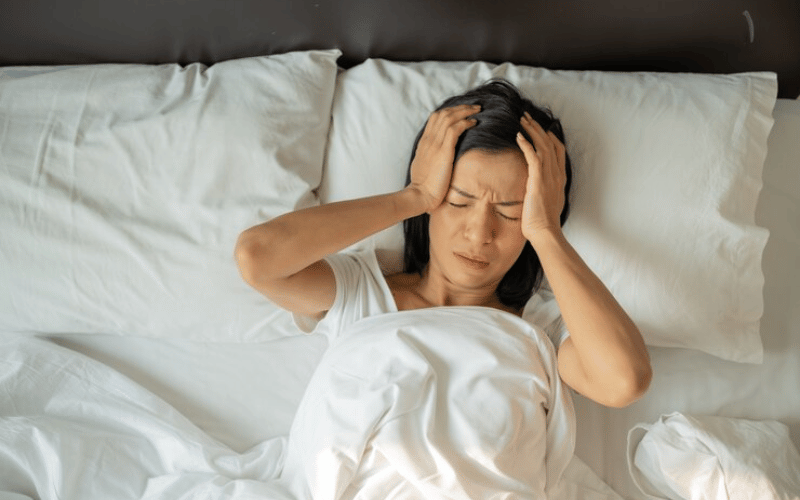
Understanding the potential connection between depression and sleep apnea is an essential area of concern. Depression, a significant mental health issue, and sleep apnea, a common ailment marked by disrupted breathing during sleep, may be closely linked.
We must understand this possible relationship because both illnesses significantly adversely affect general well-being and quality of life. By providing insights into diagnosis, treatment, and comprehensive patient care, this study seeks to clarify any possible links between depression and sleep apnea.
Knowing this connection could lead to better therapy approaches and results for those suffering from these severe illnesses.
Understanding Sleep Apnea
Sleep apnea is a sleep disorder in which breathing stops and starts often during sleep. There are three types: obstructive, central, and mixed. Obstructive sleep apnea, the most common type, occurs when throat muscles relax. Central sleep apnea happens when the brain doesn’t send proper signals to control breathing. Mixed sleep apnea is a combination of both.
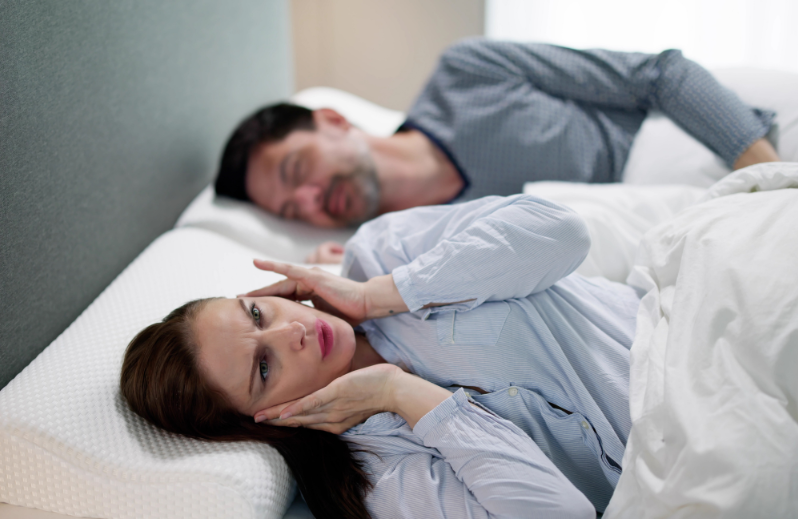
Symptoms include loud snoring, gasping for air while sleeping, and excessive daytime sleepiness. Untreated sleep disorders can result in serious health problems like high blood pressure, heart disease, and stroke. Diagnosis often involves sleep studies, and treatment may include lifestyle changes, CPAP therapy, or surgery.
Understanding Depression
Depression is a mental health disorder characterized by persistent sadness, loss of interest or pleasure in activities, and a range of physical and emotional symptoms. It impacts how you feel, think, and behave in everyday situations. Symptoms can vary widely but often include feelings of hopelessness, fatigue, changes in appetite or weight, sleep disturbances, and difficulty concentrating.
Life events, genetic factors, or chemical imbalances in the brain can trigger depression. It’s essential to seek help from a healthcare professional if you or someone you know is experiencing symptoms of depression, as effective treatments, including therapy and medication, are available.
Can Sleep Apnea Cause Depression?
Yes, it can potentially contribute to the development or exacerbation of depression. Their relationship is bidirectional, meaning each condition can influence the other. Several factors associated with sleep apnea may contribute to the onset or worsening of depression, including:
1. Sleep Disruption: Sleep apnea can cause frequent awakenings throughout the night due to breathing interruptions, leading to fragmented and poor-quality sleep. This chronic sleep disruption can contribute to mood disturbances and increase the risk of depression.
2. Daytime Symptoms: Symptoms commonly associated are excessive daytime sleepiness, fatigue, and irritability, which can interfere with daily functioning and reduce quality of life, potentially contributing to depressive symptoms.
3. Physiological Mechanisms: It can lead to fluctuations in oxygen levels in the blood and disruptions in the body’s stress response system, which may impact neurotransmitter function and contribute to mood dysregulation.
4. Shared Risk Factors: Sleep apnea and depression share common risk factors such as obesity, older age, and certain medical conditions (e.g., hypertension, diabetes), which may further contribute to the overlap between the two conditions.
5. Impact on Brain Function: Chronic sleep deprivation associated with untreated sleep apnea can impair cognitive function and emotional regulation, increasing vulnerability to depression.
While sleep apnea can contribute to the development or exacerbation of depression, it’s essential to recognize that not everyone will experience depression, and other factors, such as genetics and life stressors, also play a role in mental health outcomes.
Effective treatment along with appropriate management of depressive symptoms, can help improve overall well-being and quality of life.
Impact of Untreated Sleep Apnea on Mental Health
1. Increased Risk of Depression: A major threat is that it can lead to persistent sleep disruptions, resulting in fatigue, irritability, and mood changes that may contribute to the development or exacerbation of depression.
2. Cognitive Impairment: Chronic sleep deprivation associated with untreated sleep apnea can impair cognitive function, including memory, attention, and decision-making abilities, potentially worsening symptoms of anxiety and depression.
3. Daytime Sleepiness and Fatigue: Individuals often experience excessive daytime sleepiness and fatigue, which can interfere with daily functioning, social interactions, and productivity, further exacerbating feelings of depression and anxiety.
4. Impact on Emotional Regulation: Poor sleep quality and oxygen deprivation during sleep can disrupt the brain’s ability to regulate emotions effectively, leading to heightened emotional reactivity, mood instability, and increased vulnerability to mental health disorders.
5. Risk of Suicidal Ideation: Research suggests that untreated sleep apnea may be associated with an increased risk of suicidal ideation and behaviors, possibly due to the profound impact of sleep disturbances on emotional well-being and cognitive functioning. Addressing sleep disorders through proper diagnosis and treatment is critical to reducing these mental health risks.
Treatment options to Improve Mental Health
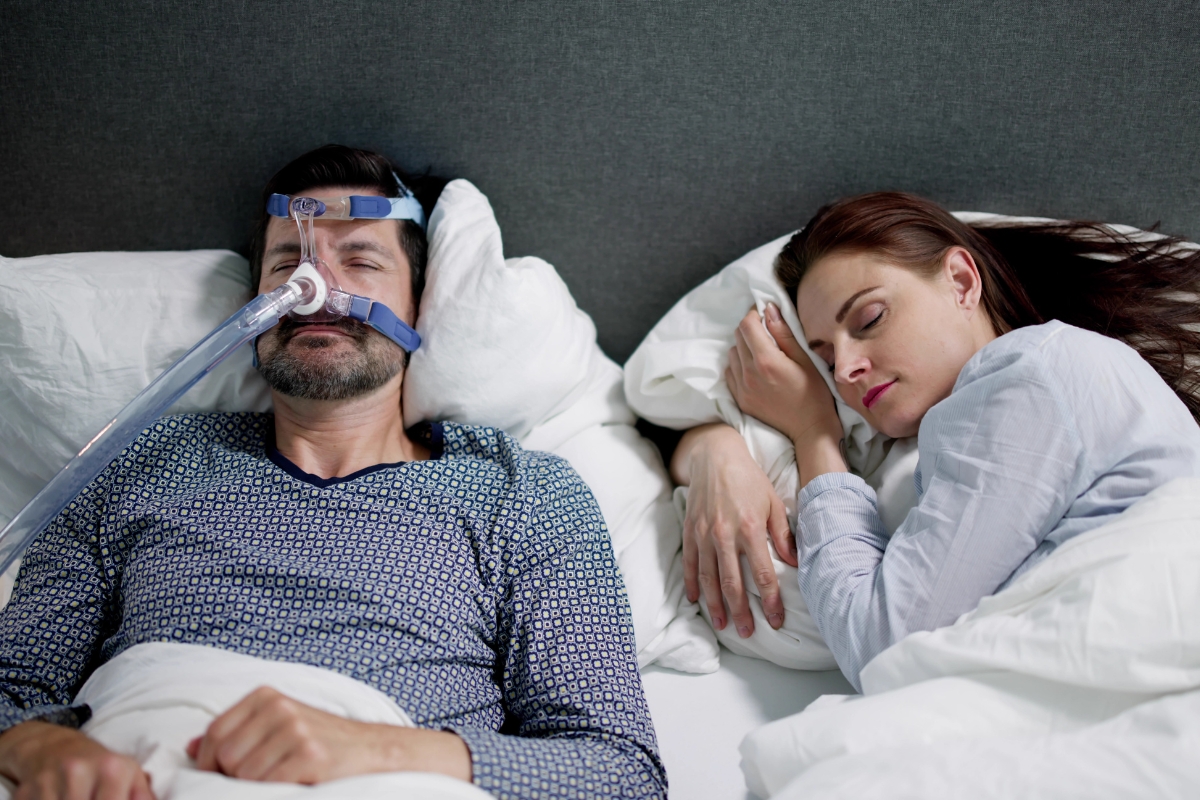
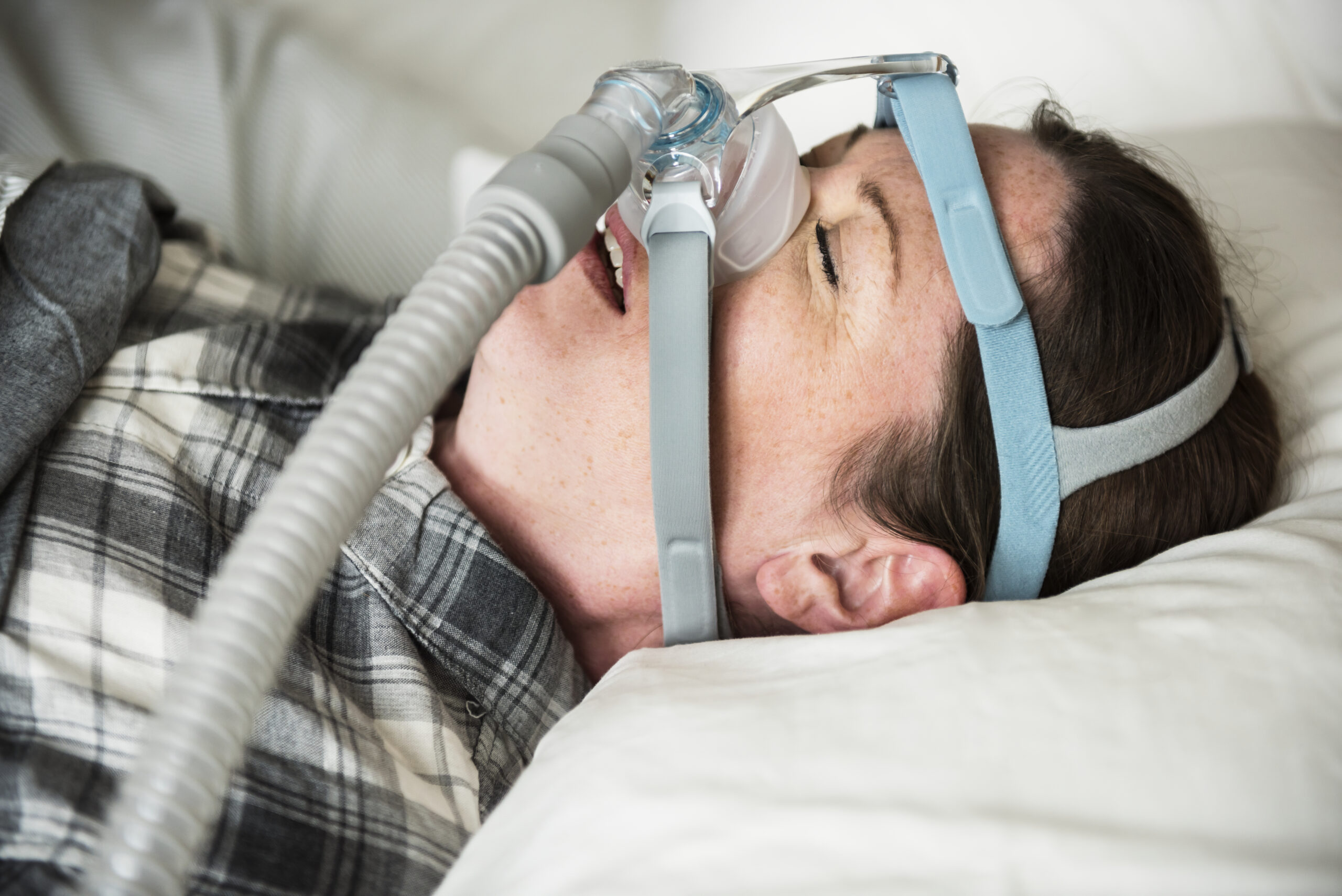
1. Continuous Positive Airway Pressure (CPAP) Therapy: CPAP therapy is a standard and highly effective treatment. By delivering a constant flow of air through a mask worn during sleep, CPAP helps keep the airway open, reducing the frequency of breathing interruptions and improving sleep quality, which can positively impact mental health.
2. Oral Appliance Therapy: Oral appliances may be prescribed for individuals with mild to moderate OSA or who cannot tolerate CPAP therapy. These devices help keep the jaw and tongue forward to prevent airway collapse during sleep, improving breathing and reducing sleep disruptions, which can benefit mental well-being.
3. Lifestyle Modifications: Lifestyle changes such as weight loss, regular exercise, avoidance of alcohol and sedatives before bedtime, and sleeping on one’s side instead of the back can help alleviate the symptoms and improve overall sleep quality, thereby supporting better mental health outcomes.
4. Surgery: In some cases, surgical interventions such as uvulopalatopharyngoplasty (UPPP), tonsillectomy, or jaw advancement surgery may be recommended to correct anatomical abnormalities contributing to sleep apnea. Surgical treatment aims to widen the airway and reduce tissue obstruction, leading to improved breathing during sleep and potential mental health benefits.
5. Behavioral Therapies: Cognitive-behavioral therapy for insomnia (CBT-I) or sleep hygiene education may complement other treatments by addressing underlying sleep disturbances, improving sleep habits, and managing stress or anxiety, which can positively impact mental health and overall well-being.
Final Words!
Early detection and treatment of sleep apnea are paramount for preserving physical and mental health. By addressing sleep apnea promptly, individuals can mitigate the risk of complications such as depression and improve overall quality of life.
Seeking professional help and support, such as that provided by Beverly Hills Oral and Facial Surgeon, ensures comprehensive care and tailored treatment options. Don’t let sleep apnea take a toll on your health and happiness. Contact Beverly Hills Oral and Facial Surgeon in Beverly Hills today for expert sleep apnea treatment.
Expert Oral Care at Your Fingertips
Experience exceptional oral care tailored to your needs. Contact us to schedule an appointment and explore the transformative possibilities for your oral health. Your brighter smile is just a call away.
