


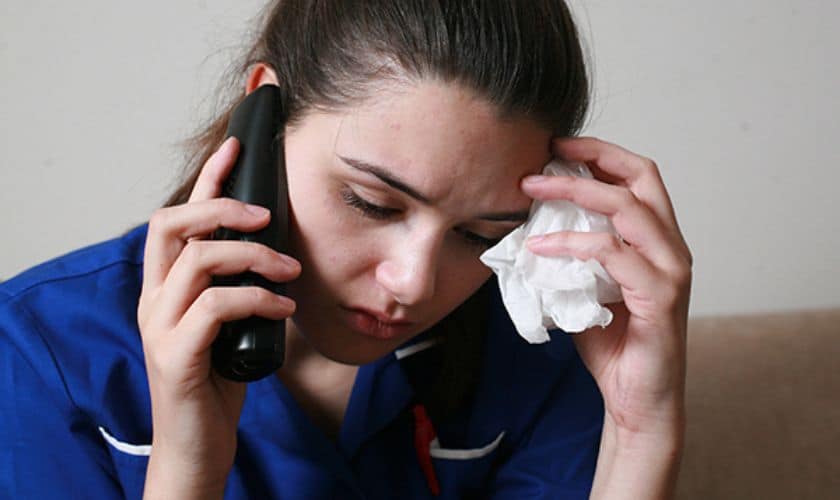
Do you suffer from difficulty falling asleep, frequent awakenings during the night, or find yourself feeling exhausted and unrested even after a full night’s sleep? If so, then you may be one of the many who are living with sleep apnea. Sleep apnea is more than just an occasional disruption in your sleeping cycle; it can have serious and far-reaching effects on both your physical and mental health. In this blog, we will look at what exactly sleep apnea is, how it affects your mental health and some resources for managing sleep apnea symptoms.
What Is Sleep Apnea?
Sleep apnea is a type of breathing disorder that causes you to briefly stop breathing during sleep. When your breathing stops, it is referred to as an apnea event. These events can last anywhere from a few seconds to several minutes and can occur hundreds of times per night. Sleep apnea is classified into three types: obstructive sleep apnea (OSA), central sleep apnea (CSA), and complex sleep apnea (a mixture of OSA and CSA).
Impact on Mental Health
Research shows that people with untreated sleep apnea are more likely to suffer from depression, anxiety, and other mental health issues as compared to those without the disorder. Sleep deprivation from chronic sleep disturbances caused by repeated awakenings due to frequent apneas can lead to psychological issues such as impaired judgment, reduced reaction time, and decreased motivation. Moreover, people with sleep apnea are more likely to struggle with low self-esteem due to feelings of fatigue and exhaustion during the day, leaving them less able to cope with everyday life.
Managing Symptoms
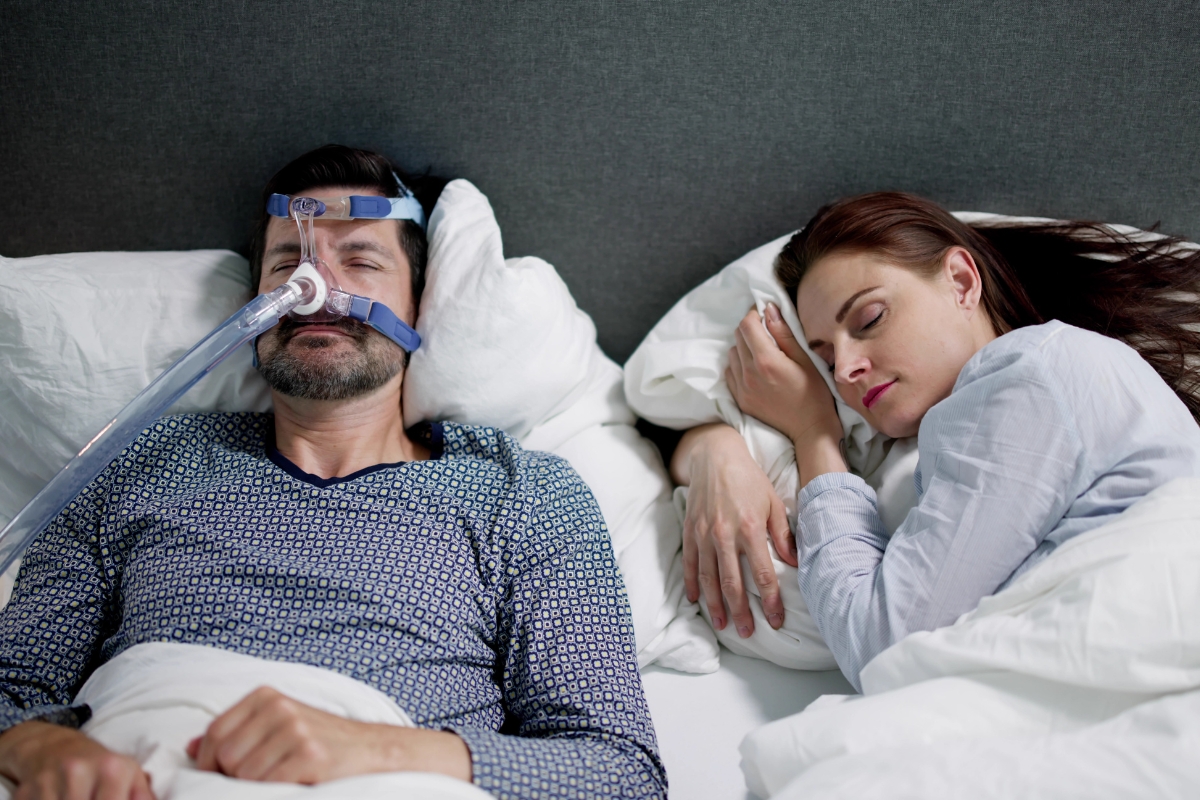
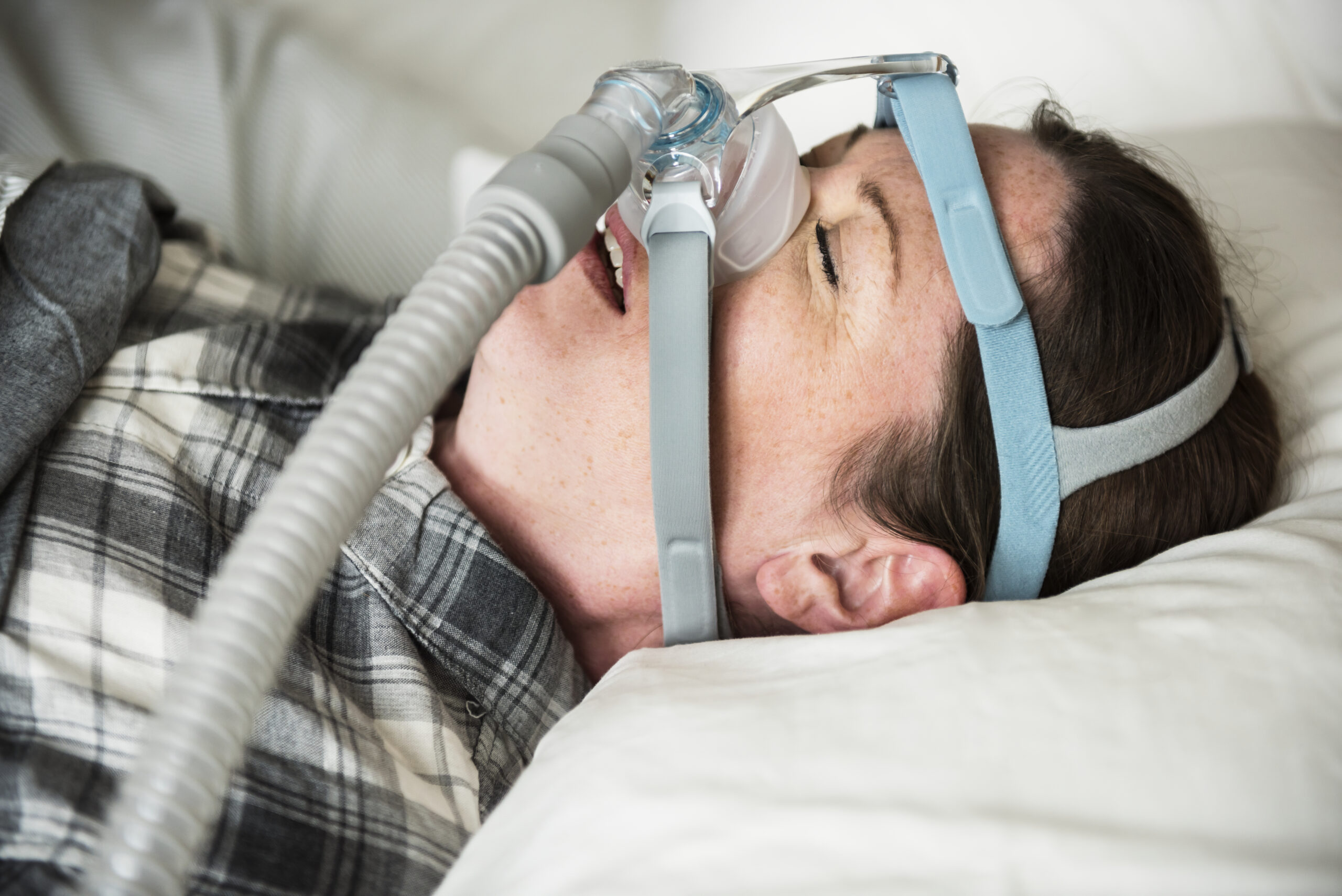
Fortunately, there are treatments available to help manage the symptoms of sleep apnea. The most common treatment is continuous positive airway pressure (CPAP), which helps keep your airways open during sleep by providing a steady stream of air through a mask that you wear while sleeping. Other options include lifestyle changes such as weight loss and avoiding alcohol or sedatives before bedtime. In extreme cases, surgery may be recommended for certain types of obstructive sleep apnea.
Conclusion
Sleep apnea can have serious consequences for your mental health, leading to depression, anxiety, and other psychological issues. If left untreated, it can worsen over time and lead to further complications. Fortunately, there are treatments available that can help manage the symptoms of sleep apnea and help you get a better night’s rest.
FAQs
Q: What is sleep apnea?
A: Sleep apnea is a type of breathing disorder that causes you to briefly stop breathing during sleep. It is classified into three types: obstructive sleep apnea (OSA), central sleep apnea (CSA), and complex sleep apnea (a mixture of OSA and CSA).
Q: How does sleep apnea affect mental health?
A: Sleep deprivation from chronic sleep disturbances caused by repeated awakenings due to frequent apneas can lead to psychological issues such as impaired judgment, reduced reaction time, and decreased motivation. People with untreated sleep apnea are also more likely to suffer from depression, anxiety, and other mental health issues.
Q: What are some treatments for sleep apnea?
A: The most common treatment is continuous positive airway pressure (CPAP), which helps keep your airways open during sleep by providing a steady stream of air through a mask that you wear while sleeping. Other options include lifestyle changes such as weight loss and avoiding alcohol or sedatives before bedtime. In extreme cases, surgery may be recommended for certain types of obstructive sleep apnea.
Expert Oral Care at Your Fingertips
Experience exceptional oral care tailored to your needs. Contact us to schedule an appointment and explore the transformative possibilities for your oral health. Your brighter smile is just a call away.
