


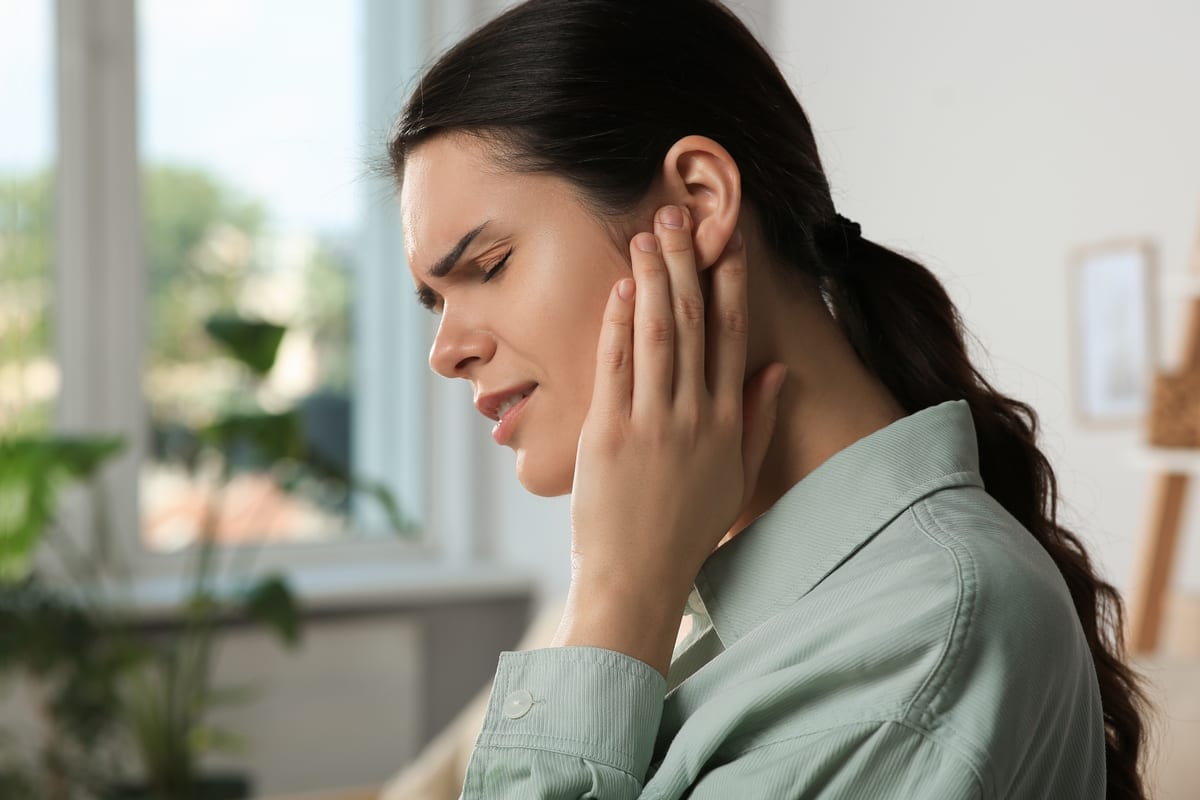
Breaking the bruxism cycle is one of the most important steps Beverly Hills patients can take for lasting TMJ relief. Many people grind their teeth without realizing it. They wake up with sore jaws, headaches, and stiff necks. What they often don’t know is that their grinding and their TMJ pain are feeding each other in a destructive loop.
Dr. Sam Harouni at Beverly Hills Oral & Facial Surgeon sees this pattern regularly. Understanding the connection between bruxism and TMJ dysfunction is the first step toward breaking it. This article explains how that cycle works — and what you can do to interrupt it.
What Is Bruxism and How Does It Affect Your Jaw in Beverly Hills?
Bruxism is the clinical term for teeth grinding or clenching. It can happen during sleep or while you’re awake. Many Beverly Hills patients clench during stressful moments without noticing. Over time, this habit places enormous strain on your temporomandibular joints, or TMJ.
Your TMJ connects your lower jaw to your skull on both sides of your face. These joints guide every chew, yawn, and word you speak. Repeated grinding compresses the joint, wears down cartilage, and inflames surrounding muscles. This creates a painful and progressive condition known as TMJ disorder.
- Grinding can generate forces exceeding 250 pounds per square inch
- The TMJ disc can shift or erode under that pressure
- Surrounding muscles become overworked and painful
- Tooth enamel wears down, sometimes severely
- Headaches and neck pain often follow untreated bruxism
Most people don’t connect their morning headaches to nighttime grinding. A thorough evaluation from an oral and facial surgeon like Dr. Harouni can identify these signs early.
Breaking the Bruxism Cycle: How TMJ Pain Triggers More Grinding
Here is where the cycle becomes especially problematic. When your TMJ hurts, your body responds with tension. That tension causes more muscle guarding, and muscle guarding leads to more clenching. More clenching means more joint damage and more pain. The cycle repeats.
This feedback loop is one reason TMJ disorders can worsen so quickly without treatment. Stress amplifies the problem further. Beverly Hills residents often lead high-demand lifestyles. Work pressure, travel, and daily stress all contribute to bruxism intensity.
Sleep is another critical factor. Poor sleep quality increases pain sensitivity. TMJ pain disrupts sleep. Disrupted sleep raises stress hormones, which trigger more grinding overnight. Each stage of this loop reinforces the next.
- TMJ inflammation causes muscle tension around the joint
- Muscle tension increases nighttime clenching episodes
- Increased clenching inflames the joint further
- Joint inflammation disrupts sleep quality
- Poor sleep raises cortisol and worsens bruxism
Breaking this cycle requires addressing both the bruxism and the underlying joint dysfunction at the same time. Treating only one part leaves the other trigger intact.
Signs You May Be Stuck in the Bruxism-TMJ Pain Loop
Many patients come to Dr. Harouni unsure whether their symptoms are connected. Recognizing the overlap between bruxism and TMJ disorder is essential. The signs are often subtle at first and worsen gradually over months or years.
Common warning signs include jaw soreness that peaks in the morning. You may notice clicking or popping sounds when you open your mouth. Some patients experience a limited range of jaw motion or feel like their jaw locks temporarily.
Tooth sensitivity is another red flag. When enamel wears down from grinding, teeth become more reactive to hot and cold. Flat or chipped teeth are visible signs of chronic bruxism. Your dentist or oral surgeon can spot these changes during an exam.
Facial pain that radiates toward your temples or ears is also common. Some Beverly Hills patients are first diagnosed with migraines before the real culprit — bruxism-driven TMJ dysfunction — is identified. Early diagnosis makes treatment far more effective.
How Dr. Harouni Interrupts the Cycle with TMJ Treatment
Effective TMJ treatment must target the full cycle, not just one symptom. Dr. Sam Harouni uses a comprehensive approach that addresses joint health, bite alignment, and muscle function together. The goal is to stop the pain-tension-grinding loop at multiple points.
Oral appliance therapy is often a first-line option. Custom-fitted night guards reposition the jaw and reduce grinding forces during sleep. They protect tooth surfaces and reduce compression on the TMJ disc. This gives inflamed tissues a chance to heal.
For patients with significant tooth loss, bite restoration becomes critical. Missing teeth change how your jaw closes, often increasing TMJ stress. Restorative solutions like Implant Bridges can rebuild a stable bite and reduce the uneven forces that worsen bruxism. Similarly, Implant Overdentures offer a secure, full-arch solution that supports proper jaw function and reduces joint strain.
Sleep apnea treatment also plays an important role. Many bruxism patients have undiagnosed sleep apnea. Airway obstruction during sleep triggers clenching as a protective reflex. Treating the airway often reduces overnight grinding significantly.
Dr. Harouni may also recommend targeted physical therapy, anti-inflammatory protocols, or bite equilibration for more advanced cases. Each treatment plan is tailored to the individual patient’s needs and severity of symptoms.
What Beverly Hills Patients Can Do Right Now
While professional treatment is essential, there are steps you can take immediately. These won’t replace a clinical evaluation, but they can reduce your symptom burden while you seek care.
Start by becoming aware of daytime clenching. Many people clench their teeth during concentration, driving, or stress. Place a reminder on your screen or phone to check your jaw position every hour. Your teeth should rest slightly apart when your mouth is closed.
Heat therapy applied to sore jaw muscles can ease tension. A warm compress for ten to fifteen minutes helps muscles relax. Avoid hard or chewy foods that force your jaw to work harder. Cut food into small pieces and chew on both sides evenly.
Stress management is equally important. Meditation, light exercise, and consistent sleep schedules help lower the cortisol levels that fuel nighttime grinding. Beverly Hills patients often benefit from combining these lifestyle adjustments with professional TMJ care.
Frequently Asked Questions
Can bruxism permanently damage my TMJ?
Yes, chronic bruxism can cause lasting damage to the TMJ disc, joint cartilage, and surrounding bone. Early treatment significantly reduces the risk of permanent joint damage. If you suspect you are grinding, seek an evaluation sooner rather than later.
How do I know if I grind my teeth at night?
Common signs include waking up with jaw soreness or headaches, noticing worn or flattened teeth, and hearing about grinding from a sleep partner. A dental or oral surgery exam can confirm the diagnosis through visible tooth wear and joint assessment.
Is a night guard enough to stop TMJ pain from bruxism?
Night guards are highly effective at protecting teeth and reducing joint compression. However, they are often most effective as part of a broader treatment plan. Dr. Harouni evaluates each patient individually to determine whether additional therapies are needed.
Does sleep apnea make bruxism worse?
Research strongly suggests that sleep apnea and bruxism are closely linked. The body may clench the jaw as a reflex to reopen the airway during apnea episodes. Treating sleep apnea often reduces bruxism frequency and severity significantly.
How long does TMJ treatment take to show results?
Many patients notice improvement within a few weeks of starting treatment. Full resolution of symptoms can take several months, depending on the severity of joint damage and how consistently the treatment plan is followed. Dr. Harouni monitors progress throughout the process.
If you are experiencing jaw pain, morning headaches, or signs of teeth grinding, you do not have to keep living with the discomfort. Dr. Sam Harouni and the team at Beverly Hills Oral & Facial Surgeon are here to help you find lasting relief. Book Now to schedule your appointment with our team.


Expert Oral Care at Your Fingertips
Experience exceptional oral care tailored to your needs. Contact us to schedule an appointment and explore the transformative possibilities for your oral health. Your brighter smile is just a call away.
