


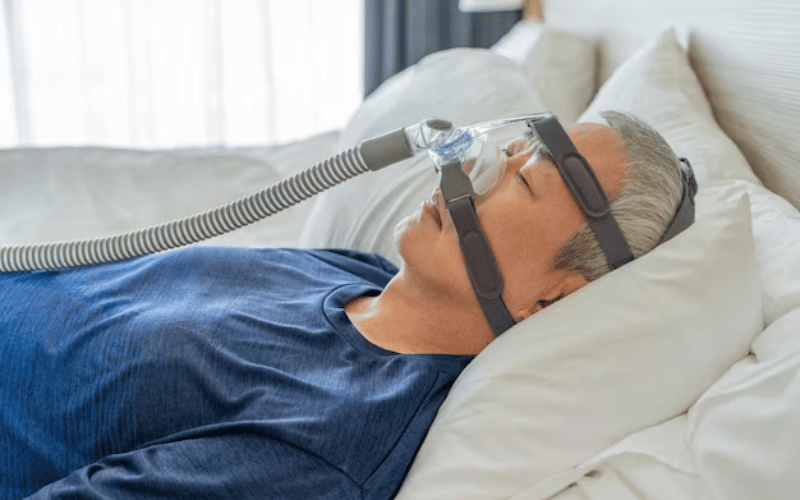
Sleep apnea, a sleep disorder marked by recurring breathing interruptions while asleep, manifests in two primary types: obstructive sleep apnea (OSA), attributable to airway blockages, and central sleep apnea (CSA), stemming from the brain’s failure to instruct the muscles to breathe. Indications of this condition encompass loud snoring, gasping, and persistent daytime fatigue. Recognizing the warning signs of sleep apnea is crucial for timely intervention and management.
Untreated, it can lead to serious health issues such as cardiovascular problems. Diagnosis involves sleep studies, and treatments range from lifestyle changes and devices like CPAP machines to surgery in severe cases. Proper management is crucial for improving sleep quality and overall well-being.
What causes sleep apnea?
Various factors can cause sleep apnea; the primary types are obstructive sleep apnea (OSA) and central sleep apnea (CSA).
1. Obstructive Sleep Apnea (OSA): The most common form, OSA, occurs when the muscles in the throat relax excessively, leading to a partial or complete airway blockage during sleep. Factors contributing to OSA include obesity, excess weight around the neck, aging, genetic predisposition, and anatomical features like a narrow airway or enlarged tonsils.
2. Central Sleep Apnea (CSA): This form results from a failure of the brain to transmit the appropriate signals to the muscles that control breathing. It can be associated with certain medical conditions such as heart failure, stroke, or neurological diseases.
Risk Factors:
1. Obesity: Excess weight can contribute to developing or worsening OSA.
2. Age: Sleep apnea is more common in older adults.
3. Gender: Men are more likely to have sleep apnea than women, though the risk for women increases if they are overweight, and it may be underdiagnosed in women.
4. Family History: Having family members with sleep apnea may increase the risk.
5. Neck Circumference: A thicker neck may narrow the airway, making obstruction more likely.
6. Smoking: Smokers have a higher risk of developing sleep apnea compared to non-smokers.
7. Alcohol, Sedatives, and Tranquilizers: These substances relax the muscles in the throat, potentially worsening obstructive sleep apnea.
Understanding these factors can help identify and manage sleep apnea more effectively.
Common warning signs of sleep apnea
Sleep apnea often manifests through various warning signs and symptoms. Common indicators include:
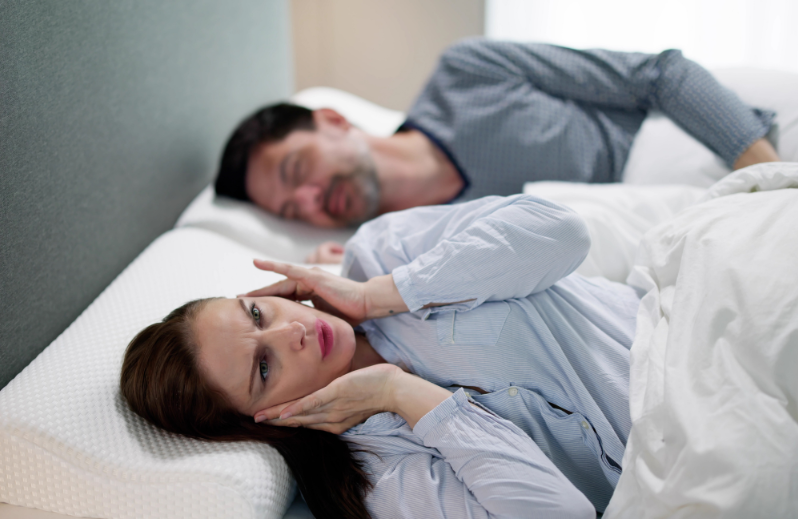
1. Loud Snoring: Persistent snoring is a hallmark of obstructive sleep apnea.
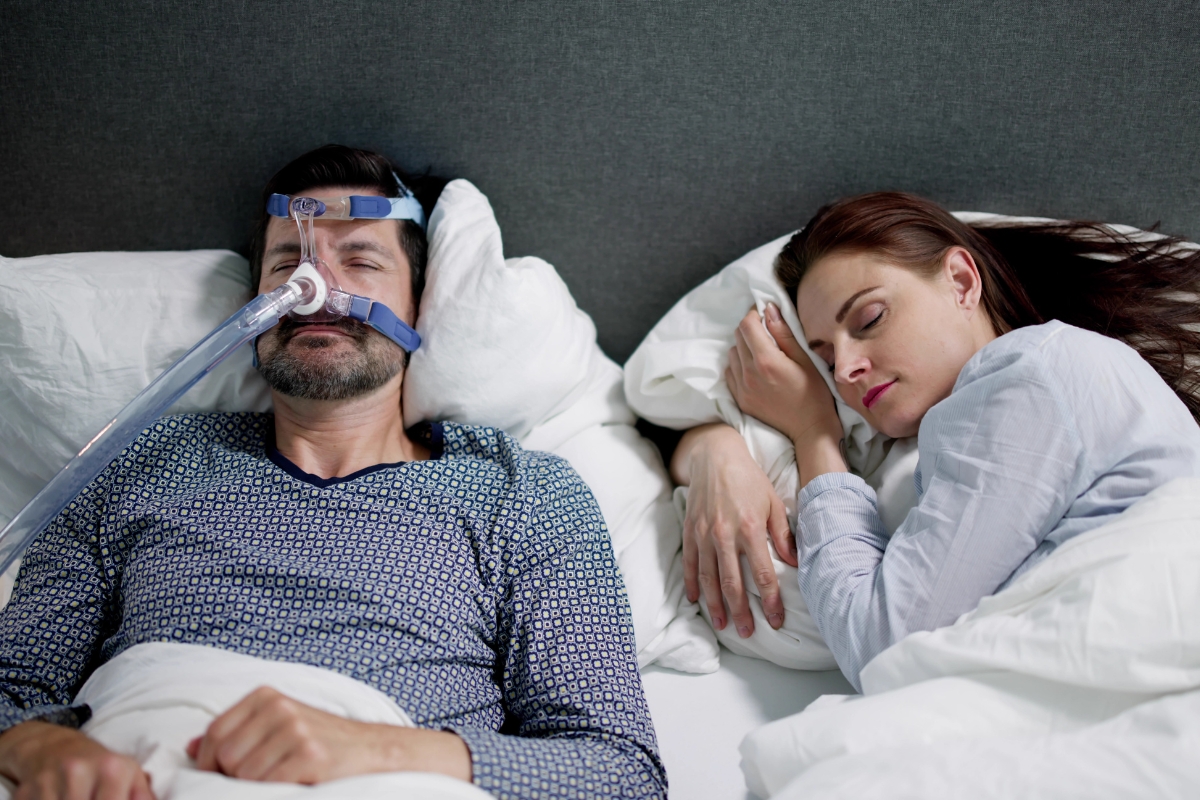
2. Pauses in Breathing: Witnessed episodes of breathing cessation during sleep, often followed by gasping or choking sounds.
3. Excessive Daytime Sleepiness: Feeling fatigued during the day, even after what should be a whole night’s sleep.
4. Morning Headaches: Waking up with frequent headaches, which changes in oxygen levels may cause during the night.
5. Difficulty Concentrating: Poor focus, attention, and memory due to disrupted sleep patterns.
6. Irritability: Frequent mood changes, irritability, or mood swings.
7. Dry Mouth or Sore Throat: Waking up with a dry mouth or sore throat may indicate breathing through the mouth during sleep.
8. Frequent Nighttime Urination: Needing to urinate frequently during the night, a condition known as nocturia, can be associated with sleep apnea.
9. Restless Sleep: Tossing and turning or experiencing restlessness during sleep.
10. Insomnia: Difficulty falling or staying asleep may be linked to sleep apnea.
11. Decreased Libido: Sexual dysfunction or a decreased interest in sex can be associated with sleep apnea.
It’s essential to note that these signs can vary in severity, and the presence of one or more should prompt consideration of a professional evaluation, typically through a sleep study, to determine if sleep apnea is the cause.
The importance of seeking medical help
Seeking medical help for suspected sleep apnea is crucial for several reasons:
1. Health Risks: Untreated sleep apnea can lead to serious health issues such as hypertension, cardiovascular diseases, stroke, diabetes, and an increased risk of accidents due to daytime sleepiness. Addressing the condition promptly can mitigate these risks and improve overall well-being.
2. Quality of Life: Sleep apnea can significantly impact daily life by causing excessive daytime fatigue, mood changes, and impaired cognitive function. Seeking medical assistance can lead to effective treatment, enhancing sleep quality and overall quality of life.
3. Diagnostic Accuracy: Professional evaluation, often through a sleep study, ensures accurate diagnosis and identification of the specific type and severity of sleep apnea. This is crucial for tailoring an appropriate treatment plan.
4. Treatment Options: Healthcare professionals can recommend various treatments based on the severity and type of sleep apnea, including lifestyle changes, positional therapy, continuous positive airway pressure (CPAP) devices, dental appliances, and, in some cases, surgery. These interventions can significantly alleviate symptoms and improve sleep.
5. Monitoring and Adjustments: Regular follow-ups with healthcare providers allow treatment effectiveness and necessary adjustments to be monitored. This ensures that the chosen treatment remains suitable and helps address any emerging issues or changes in the patient’s condition.
Overall, seeking medical help for sleep apnea is essential for a comprehensive and tailored approach to managing the condition, mitigating health risks, and improving the individual’s quality of life.
Treatment options for sleep apnea
Sleep apnea treatment options aim to improve breathing during sleep, alleviate symptoms, and reduce associated health risks. The choice of treatment depends on the type and severity of sleep apnea. Here are common approaches:
1. Lifestyle Modifications:
– Weight Loss: Obesity is a significant risk factor for obstructive sleep apnea (OSA). Losing weight through diet and exercise often improves or eliminates symptoms.
– Positional Therapy: Encouraging sleeping on one’s side may sometimes help prevent airway blockage.
2. Continuous Positive Airway Pressure (CPAP):
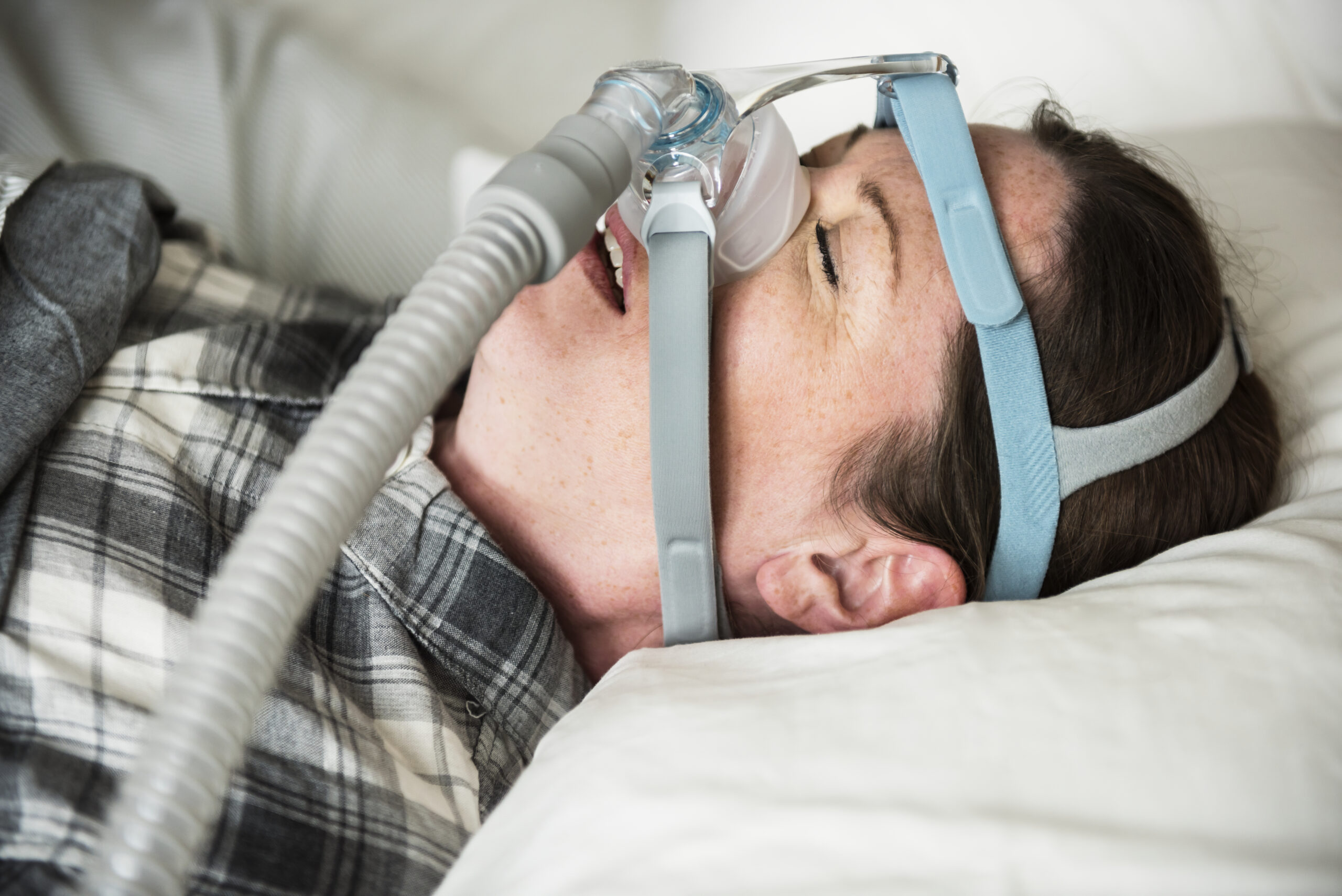
– CPAP Machine: A standard and highly effective treatment for OSA involves using a CPAP machine, which delivers a continuous stream of air through a mask to keep the airway open during sleep.
3. Oral Appliances:
– Mandibular Advancement Devices (MADs): These devices are dental appliances that reposition the lower jaw and tongue to help keep the airway open.
4. Positive Airway Pressure (PAP) Devices:
– Bi-level Positive Airway Pressure (BiPAP): Similar to CPAP, but with variable pressure levels for inhalation and exhalation, which can benefit certain patients.
5. Adaptive Servo-Ventilation (ASV):
– ASV Devices: These devices monitor breathing patterns and adjust airway pressure accordingly, primarily used for central sleep apnea.
6. Surgery:
– Uvulopalatopharyngoplasty (UPPP): Surgical removal of excess tissue from the throat.
– Genioglossus Advancement (GA): Repositioning the tongue muscle attachment to prevent airway collapse.
– Maxillomandibular Advancement (MMA): Repositioning the upper and lower jaw to enlarge the airway.
7. Inspire Therapy:
– Implantable Device: Inspire therapy involves surgically implanting a device that stimulates the hypoglossal nerve to control tongue movement, preventing airway obstruction.
8. Positional Therapy Devices:
– Positional Trainers: Devices that discourage sleeping on the back, reducing the likelihood of airway blockage.
Individual treatment plans may involve a combination of these approaches. Consultation with a healthcare professional, often a sleep specialist, is essential for proper diagnosis and the development of an effective treatment strategy tailored to the specific needs of the individual.
Lifestyle changes to improve sleep apnea
Implementing lifestyle changes can play a significant role in managing sleep apnea. While these adjustments may not cure the condition, they can help reduce symptoms and improve overall sleep quality. Here are five lifestyle changes to consider:
1. Weight Management: Losing excess weight, significantly if overweight or obese, can reduce the severity of obstructive sleep apnea (OSA). Even a modest weight loss can contribute to improvements in symptoms. Adopting a healthy, balanced diet and engaging in regular physical activity can be beneficial.
2. Sleep Position: Avoiding sleeping on your back can help prevent the relaxation of throat muscles and reduce the risk of airway obstruction. Sleeping on your side is often recommended for individuals with sleep apnea.
3. Avoiding Alcohol and Sedatives: Alcohol and sedatives relax the muscles in the throat, potentially worsening obstructive sleep apnea. Limiting or avoiding the consumption of these substances, incredibly close to bedtime, can contribute to improved breathing during sleep.
4. Establishing a Regular Sleep Routine: Maintaining a consistent sleep schedule by going to bed and waking up at the same time daily helps regulate the body’s internal clock. A regular sleep routine can improve sleep quality and reduce sleep apnea symptoms.
5. Addressing Allergies and Nasal Congestion: Allergies or nasal congestion can contribute to breathing difficulties during sleep. Managing allergies through medications or other interventions and keeping the nasal passages clear can facilitate easier breathing.
It’s important to note that lifestyle changes should complement, not replace, other recommended treatments. Consultation with a healthcare professional, such as a sleep specialist, is crucial for a comprehensive evaluation and developing a personalized treatment plan tailored to individual needs.
In conclusion, addressing the warning signs of sleep apnea through a multifaceted approach, including lifestyle changes and medical interventions, is vital for improved well-being. Individuals can benefit from weight management, sleep position adjustments, and the avoidance of substances that exacerbate symptoms.
For advanced solutions, consider seeking expertise at Beverly Hills Oral and Facial Surgeon, a leader in Sleep Apnea Treatment in Beverly Hills. Cutting-edge treatments and personalized care offer a path to better sleep and enhanced overall health. Take charge of your sleep today! Schedule a consultation with Beverly Hills Oral and Facial Surgeon for a restful night’s sleep.
Expert Oral Care at Your Fingertips
Experience exceptional oral care tailored to your needs. Contact us to schedule an appointment and explore the transformative possibilities for your oral health. Your brighter smile is just a call away.
