


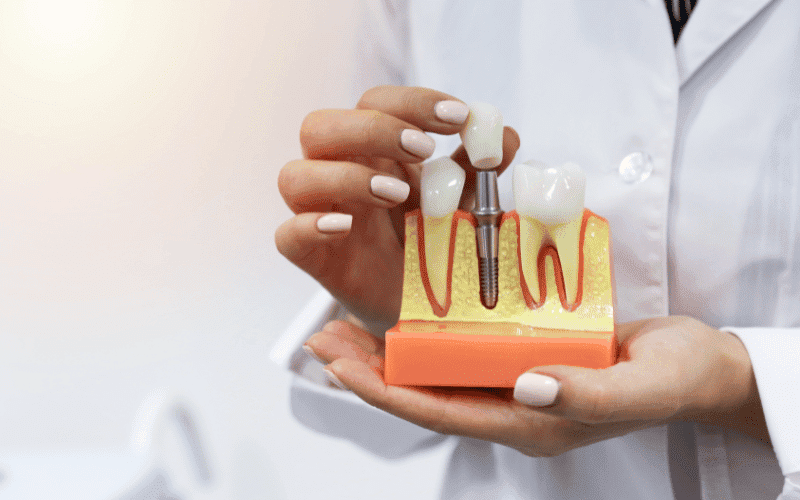
Are you sick and tired of putting up with the pain and inconvenience of losing teeth? Dental implants are the solution you’ve been searching for. These revolutionary devices can restore your smile, boost confidence, and improve oral health.
But before you get too excited, it’s important to understand that only some are suitable candidates for dental implants.
This blog post will explore who qualifies for dental implants and what factors may disqualify individuals from undergoing this life-changing procedure. Whether it’s certain medical conditions or specific oral health issues, we’ll shed light on the potential roadblocks standing in the way of achieving your dream smile. So, let’s dive in and find out if dental implants are right for you!
Who is a Good Candidate?
Good candidates for dental implants are individuals with missing teeth who have overall good oral health and sufficient bone density to support the implant. They should be committed to maintaining excellent oral hygiene and have realistic expectations about the procedure.
Also Read: How Many Teeth Do You Need For Dental Implants?
Candidates should be free from certain health conditions that may impact healing, such as uncontrolled diabetes, and not smoke, as smoking can hinder the success of implants. Additionally, candidates should be willing to undergo a comprehensive oral evaluation to determine their suitability for the procedure and follow post-operative care instructions diligently for successful long-term outcomes.
Medical Conditions That May Disqualify You
Several medical conditions may disqualify individuals from getting dental implants, as they can impact the success of the procedure and the healing process. Some of these conditions include:
1. Uncontrolled Diabetes: Poorly controlled diabetes can hinder the healing process and increase the risk of infection.
2. Autoimmune Disorders: Conditions that compromise the immune system may affect the body’s ability to heal properly.
3. Hemophilia or Bleeding Disorders: Conditions impairing blood clotting may risk excessive bleeding during and after implant surgery.
4. Osteoporosis: Reduced bone density may affect the stability and longevity of dental implants.
5. Certain Medications: Some medications, such as bisphosphonates, can interfere with bone healing and may be a contraindication for dental implants.
6. Smoking: Smoking can impair blood flow and slow down the healing process, increasing the risk of implant failure.
7. Certain Cardiovascular Conditions: Conditions that affect blood flow and circulation may impact the healing of the implant site.
Individuals with these conditions should consult with their oral surgeon and, if necessary, collaborate with other healthcare providers to assess their overall health and determine the feasibility of dental implant placement.
Oral Health Factors That May Affect Eligibility
Several Oral health factors can affect eligibility for dental implants. These factors are crucial in determining the success and longevity of the implant procedure. Some key considerations include:
1. Sufficient Bone Density: Adequate bone density in the jaw is essential to support the implant. Individuals with significant bone loss may require bone grafting procedures before implant placement.
2. Healthy Gums: Healthy gums are vital for the success of dental implants. Periodontal disease can compromise the stability of implants and lead to complications.
3. Oral Hygiene Habits: Oral hygiene is essential for implant success. Individuals must be committed to regular brushing, flossing, and professional Oral cleanings to prevent infections around the implant site.
4. Overall Oral Health: Other Oral issues, such as untreated cavities or infections, should be addressed before implant placement to ensure a healthy oral environment.
5. Bruxism (Teeth Grinding): Habitual teeth grinding can exert excessive force on implants, potentially causing damage. Night guards or other interventions may be recommended for those with bruxism.
6. Medical History: Certain Oral conditions and treatments, such as head and neck radiation therapy, may impact dental implant eligibility. A comprehensive evaluation of medical history is essential.
7. Commitment to Post-Operative Care: Individuals must be willing and able to follow post-operative care instructions, attend follow-up appointments, and maintain regular oral check-ups for long-term implant success.
Before undergoing dental implant surgery, individuals should undergo a comprehensive evaluation by a oral surgeon to assess these factors and determine their eligibility for the procedure.
How Do You Determine Your Eligibility for Dental Implants?
1. Oral Examination: Schedule a comprehensive oral examination with a qualified oral surgeon. They will assess your oral health, including the condition of your teeth, gums, and overall oral hygiene.
2. Bone Density Assessment: Undergo a thorough evaluation of your jawbone density. Sufficient bone is crucial for implant support. Additional procedures like bone grafting may be recommended to enhance the implant’s stability if there’s insufficient bone.
3. Medical History Review: Provide a detailed medical history. Certain health conditions, medications, or treatments (such as radiation therapy) can impact the success of dental implants. Talk to your oral surgeon about any current medical conditions.
4. Periodontal Evaluation: Assess the health of your gums and surrounding tissues. Periodontal disease can compromise the success of implants, so it’s essential to address any gum issues before undergoing the implant procedure.
5. Commitment and Lifestyle Factors: Discuss your commitment to maintaining oral hygiene and attending regular oral check-ups. Also, inform your oral surgeon about lifestyle factors such as smoking, as it can negatively impact implant success. Individuals with certain habits, like teeth grinding (bruxism), may need additional interventions.
Remember that each individual’s case is unique, and the decision for dental implants is based on a personalized assessment. Consult an Oral Surgeon professional who can evaluate your specific circumstances and guide your eligibility for dental implants.
Alternative options for those who are not eligible for dental implants
1. Dentures: Traditional removable dentures are a common alternative for individuals not eligible for dental implants. Dentures are detachable prosthetic devices used to replace lost teeth and surrounding tissues. They are cost-effective and suitable for individuals with varying degrees of tooth loss.
2. Dental Bridges: Fixed dental bridges are another option for replacing missing teeth. Artificial teeth affixed to neighboring natural teeth or dental implants make up bridges. While they require support from neighboring teeth, they can be a viable solution for those who cannot undergo implant surgery.
3. Removable Partial Dentures: Removable partial dentures are used when only a few teeth are missing. They consist of artificial teeth attached to a removable base that clasps onto existing natural teeth. This option is more affordable than dental implants and bridges.
4. Resin-Bonded Bridges (Maryland Bridges): Maryland bridges are a conservative alternative to traditional bridges. They involve minimal preparation of adjacent teeth and use metal or porcelain wings to bond the artificial teeth to the back of adjacent natural teeth. But they might only be appropriate in certain situations.
5. Conservative Treatment and Maintenance: In some cases, especially when dental implant surgery is not feasible due to health concerns, a conservative approach focusing on maintaining existing teeth and managing oral health may be recommended. Regular Oral check-ups, cleanings, and preventive care become crucial in preserving oral function.
It’s essential to consult with an oral surgeon to determine the most suitable alternative based on individual circumstances, oral health, and preferences. The chosen option should align with the patient’s needs, budget, and overall health considerations.
In conclusion, various alternatives exist for those ineligible dental implants based on individual needs and circumstances. Options like dentures, dental bridges, and partial dentures offer effective solutions for tooth replacement. Each alternative has its benefits and considerations, with factors such as cost, oral health, and personal preferences playing a role in the decision-making process. Consulting with a qualified oral surgeon is essential for a thorough evaluation and tailored recommendations. Ultimately, the goal is to restore oral function, enhance aesthetics, and improve the overall quality of life for individuals facing tooth loss and seeking suitable alternatives to dental implants.
Also Read: Dental Implants: A Guide To Finding The Right Candidate

Expert Oral Care at Your Fingertips
Experience exceptional oral care tailored to your needs. Contact us to schedule an appointment and explore the transformative possibilities for your oral health. Your brighter smile is just a call away.
