



The mouth cavity is a complex ecosystem that is vital to our health and well-being. Mouth pathology, an expert specialty of oral surgery dedicated to unraveling the secrets of mouth illnesses and anomalies, exists behind the scenes. This field is critical in detecting and comprehending a variety of disorders affecting the oral and maxillofacial areas. In this investigation, we will deconstruct what oral pathology covers, illuminating the various aspects that make it an essential element of oral surgery science.
Disease Identification:
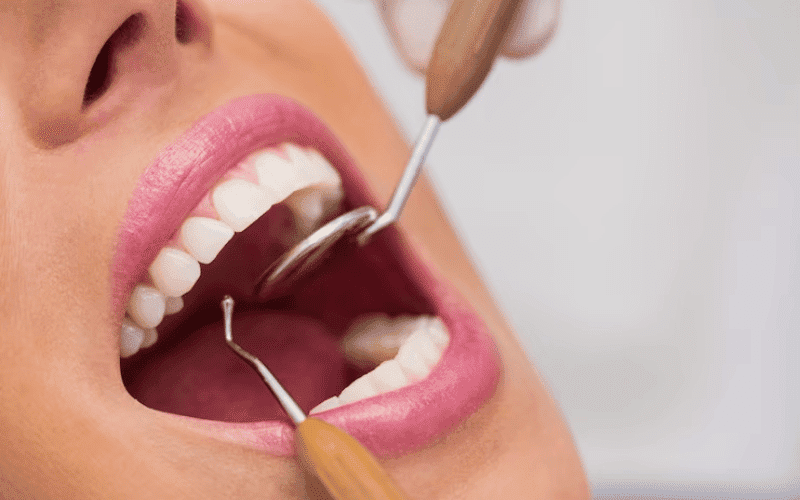
Detecting disorders affecting the oral cavity is at the heart of oral pathology. This includes thoroughly examining tissues such as the lips, tongue, gums, and the inside lining of the cheeks. Mouth pathologists use modern diagnostic tools to diagnose problems ranging from infections and inflammations to more severe disorders like mouth cancer.
Autoimmune Disorders And Systemic Diseases:
The mouth cavity frequently reflects an individual’s overall health. Oral pathologists are specially educated to recognize the signs and symptoms of autoimmune illnesses and systemic diseases in the mouth. Oral symptoms can be seen in conditions such as lupus, Crohn’s disease, and diabetes, making oral pathology an essential element of healthcare.
Common Oral Pathology Conditions
Oral caries, periodontal disorders, gingivitis, and oral candidiasis are all common oral pathology issues that significantly impact oral health. These conditions require regular check-ups, early diagnosis, and prompt intervention to maintain optimal oral health. Recognizing these diseases empowers individuals to take preventive measures and seek professional help when necessary, ensuring timely care and better long-term outcomes.
Diagnostic Techniques:
Oral pathology focuses on diagnosing, understanding, and treating oral illnesses via procedures such as clinical examinations, imaging investigations, and laboratory tests.
Clinical examinations are comprehensive evaluations of the oral cavity that reveal apparent abnormalities, tissue color or texture changes, and probable problems.
Imaging investigations, such as X-rays and CT scans, provide a more complete picture of a patient’s oral health by detecting abnormalities in bones, teeth, and soft tissues.
Biopsies and molecular testing, for example, are critical for detecting disorders by studying tissue samples and finding cellular alterations, which provide insights into underlying problems.
Understanding Oral Diseases:
Oral pathology spans various illnesses, from common to unusual ailments. Periodontal disease, and oral cancer are among the most common oral conditions. Oral caries, often known as cavities, are caused by bacterial activity that causes demineralization of tooth enamel. Periodontal disease affects the teeth’s supporting components, including the gums and bones, and if left untreated, can lead to tooth loss. Oral cancer, which can be fatal, can appear in numerous regions of the oral cavity, including the tongue, lips, and throat.
Oral pathologists investigate unusual and poorly understood disorders such as leukoplakia, lichen planus, and pemphigus vulgaris, contributing to improving oral science and developing targeted therapeutics.
Collaboration With Other Specialties:
Oral pathology is a collaborative effort. Collaboration with other oral and medical disciplines is required for a comprehensive approach to patient treatment. Oral pathologists frequently collaborate with oral and maxillofacial surgeons, prosthodontists, and oncologists, among others, to offer patients complete and multidisciplinary care.
For example, oral pathologists work with oncologists to establish the most effective treatment regimens for oral cancer. This might include a mix of surgery, radiation therapy, and chemotherapy, all customized to the specifics of the condition. Such coordinated initiatives emphasize the linked nature of healthcare and the significance of a united strategy to manage oral disorders.
Oral pathology is a broad discipline that extends beyond normal oral examinations. It entails a rigorous diagnostic approach, in-depth knowledge of various oral disorders, and coordination with other oral and medical specialists. Oral pathologists play a critical role in unraveling the secrets of the oral cavity, from ordinary caries to unusual and complicated disorders. As oral health research advances, the insights acquired from oral pathology help improve diagnoses, treatments, and prevention strategies, ultimately enhancing overall oral health care. As an Oral Surgeon research advances, the insights acquired from oral pathology contribute to the well-being of individual patients and a greater knowledge of global oral health.
Also Read: What is the significance of Oral Pathology?

Expert Oral Care at Your Fingertips
Experience exceptional oral care tailored to your needs. Contact us to schedule an appointment and explore the transformative possibilities for your oral health. Your brighter smile is just a call away.
