


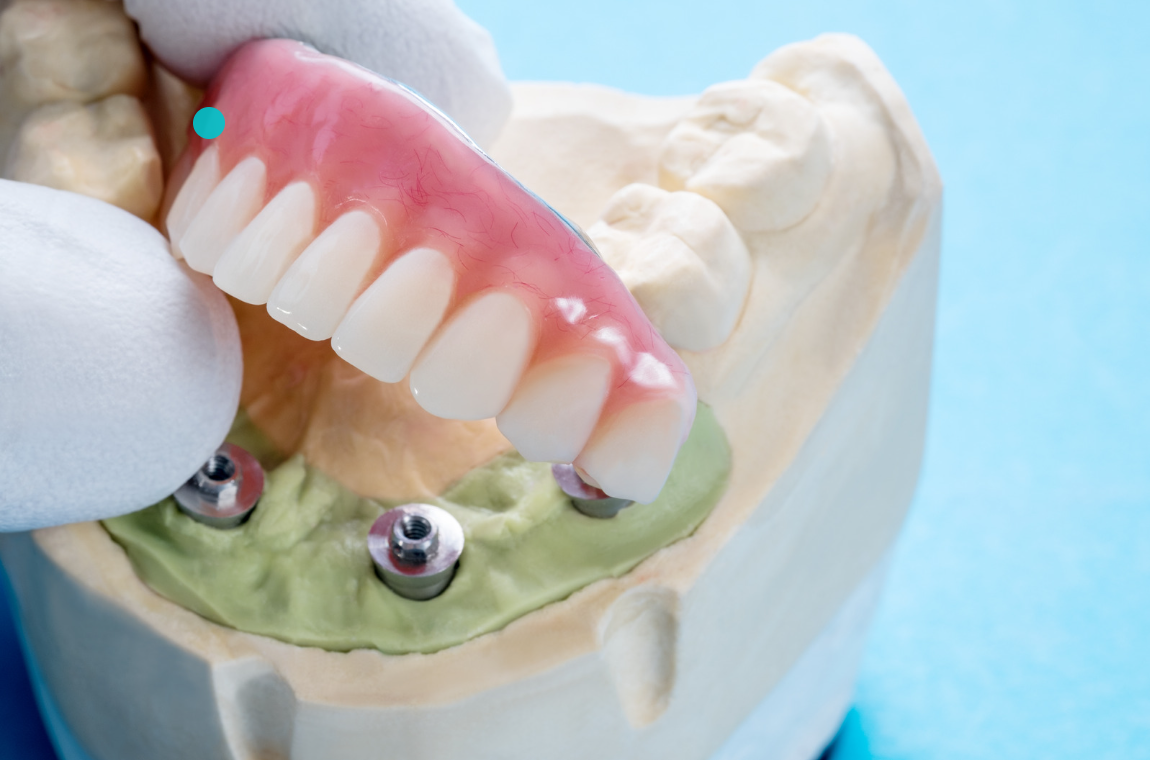
For individuals who have experienced severe bone loss or other complex dental issues, traditional dental implants may not be a viable option. In these cases, zygomatic implants offer a revolutionary solution.
Unlike standard implants, which are anchored into the jawbone, zygomatic implants are secured in the cheekbone (zygoma), providing a stable foundation even when jawbone deterioration has occurred.
Today’s blog talks about why zygomatic implants are a preferred option for complex dental cases, including their benefits and processes.
What Are Zygomatic Implants?
Zygomatic implants are a specialized form of dental implants designed for patients who cannot support traditional implants due to significant bone loss in the upper jaw. These implants bypass the need for bone grafting by anchoring into the zygomatic bone, which is denser and more robust than the jawbone.
Key Features of Zygomatic Implants
- Anchored in the cheekbone: Unlike regular implants, which require jawbone support, zygomatic implants rely on the cheekbone for stability.
- Ideal for severe bone loss: Patients with advanced bone loss in the upper jaw can benefit without the need for extensive bone grafting.
- Immediate load capability: In many cases, temporary teeth can be placed on the same day as the implant surgery, offering faster results.
Who Are Ideal Candidates For Zygomatic Implants?
Zygomatic implants are particularly beneficial for patients who suffer from:
- Severe bone loss in the upper jaw: This is common in individuals who have been missing teeth for a long time, as the jawbone deteriorates without the stimulation of tooth roots.
- Failed traditional implants: Patients who have had unsuccessful attempts with conventional implants due to insufficient bone can benefit from zygomatic implants.
- Sinus issues: In some cases, upper jaw dental issues are complicated by proximity to the sinuses, which zygomatic implants can bypass.
Additional Considerations
- People with long-term dentures: Denture wearers who want a more permanent solution but lack the necessary jawbone support can consider zygomatic implants.
- For those who want to avoid bone grafting: Zygomatic implants can eliminate the need for invasive bone grafting procedures, reducing recovery time and discomfort.
How Are Zygomatic Implants Different From Traditional Implants?
The main difference between zygomatic implants and traditional dental implants lies in the placement and structure.
Differences In Placement
- Traditional Implants: Placed directly into the jawbone, requiring adequate bone density.
- Zygomatic Implants: Anchored into the cheekbone, allowing for stability even when the jawbone is compromised.
Differences In Surgical Complexity
- Traditional Implants: These may require bone grafting or sinus lifts if there is insufficient bone mass.
- Zygomatic Implants: Avoid bone grafting altogether by utilizing the strong cheekbone for support.
Advantages Over Traditional Implants
- Less invasive in the long run: By avoiding bone grafting, the overall procedure becomes less invasive.
- Faster results: Patients can often receive temporary teeth the same day, significantly reducing wait times compared to traditional implant surgery.
- Higher success rate for complex cases: Zygomatic implants offer a reliable solution for patients who would otherwise have limited treatment options.
Process Of The Zygomatic Implant Treatmentoral
The process of receiving zygomatic implants is similar to traditional dental implant procedures but with a few key differences due to the implant’s placement in the cheekbone.
Step 1: Consultation and Assessment
Our oral surgeon will begin with a thorough examination, including 3D imaging such as cone beam CT scans, to assess bone structure and determine the most appropriate treatment plan. They will also evaluate your overall oral health to ensure you’re a good candidate for the procedure.
Step 2: Preparation & Planning
- Treatment Plan: Based on the assessment, our trusted oral surgeon will develop a customized treatment plan that outlines the number and placement of the zygomatic implants.
- Sedation and Anesthesia: The procedure typically involves general or local anesthesia with sedation to ensure comfort throughout the surgery.
Step 3: The Implant Surgery
- Implant Placement: The surgeon will place the zygomatic implants into the cheekbone at an angle, bypassing the need for the upper jawbone. This ensures that the implants are securely anchored in dense bone tissue.
- Temporary Teeth: In many cases, a set of temporary teeth can be attached to the implants on the same day, allowing patients to leave with a functional and aesthetically pleasing smile.
Step 4: Recovery and Healing
- Post-Surgery Care: Recovery from zygomatic implant surgery is generally quicker than procedures involving bone grafting. Our reputed oral surgeon will provide post-surgical care instructions, which typically include pain management and oral hygiene practices.
- Permanent Restoration: Once the implants have fully integrated with the bone (usually within a few months), our qualified oral surgeon will replace the temporary teeth with a permanent set of dental restorations.
Benefits Of Zygomatic Implants
Zygomatic implants offer a range of benefits, particularly for patients with complex dental issues who have struggled to find a viable solution. Key advantages include:
1. Immediate Results
In many cases, zygomatic implants can support a set of temporary teeth on the same day as surgery, providing immediate aesthetic and functional improvements.
2. No Bone Grafting Required
Traditional implants often require bone grafting when there is insufficient bone in the jaw. Zygomatic implants eliminate this step by using the cheekbone for support, streamlining the procedure, and reducing recovery time.
3. Long-lasting and Durable
Zygomatic implants are highly durable and offer a long-term solution for patients with significant bone loss. With proper care, they can last for many years, providing a stable foundation for dental restorations.
4. Enhanced Aesthetic Results
Eliminating the need for dentures or other temporary solutions, zygomatic implants provide a permanent, natural-looking smile that can greatly enhance a patient’s appearance.
5. High Success Rates
Even in complex cases, zygomatic implants have a high success rate, making them a reliable option for patients who may have faced failed treatments in the past.
The Future of Complex Dental Care
Zygomatic implants represent a groundbreaking solution for patients with complex dental issues, particularly those with severe bone loss in the upper jaw. By anchoring the implants in the cheekbone, this procedure offers a viable alternative to traditional implants without the need for invasive bone grafting or extended treatment times.
For individuals seeking a permanent, durable, and aesthetically pleasing solution to missing teeth or other dental challenges, zygomatic implants provide hope and results.
If you have been told that you’re not a candidate for traditional implants due to bone loss or if you’ve gone through failed implants in the past, zygomatic implants could be the key to restoring your smile and confidence.
Always consult with a trusted oral surgeon to assess whether zygomatic implants are the right option for your specific needs and to create a personalized treatment plan that will lead you to a healthier, more beautiful smile.
Related Articles
Expert Oral Care at Your Fingertips
Experience exceptional oral care tailored to your needs. Contact us to schedule an appointment and explore the transformative possibilities for your oral health. Your brighter smile is just a call away.
