



If you wake up with a sore jaw or constant headaches, you are not alone. Many Beverly Hills residents experience jaw pain without understanding its true cause. Understanding why your jaw pain might be caused by stress and teeth grinding in Beverly Hills is the first step toward relief. Dr. Sam Harouni at Beverly Hills Oral & Facial Surgeon helps patients identify the root causes of temporomandibular joint (TMJ) disorders every day.
What Is TMJ Disorder and Why Does It Happen?
The temporomandibular joint connects your jawbone to your skull. It controls chewing, speaking, and yawning. When this joint becomes inflamed or damaged, it causes a condition called TMJ disorder. The symptoms can range from mild discomfort to severe, chronic pain.
TMJ disorders do not have one single cause. Instead, they often result from a combination of physical and lifestyle factors. Recognizing those factors is essential for effective treatment. Dr. Harouni evaluates each patient carefully to pinpoint the specific contributors.
Common signs of TMJ disorder include:
- Clicking or popping sounds when opening your mouth
- Jaw stiffness or limited range of motion
- Pain that radiates into the neck and shoulders
- Frequent headaches or earaches
- Teeth that feel sore or sensitive without a dental cause
Why Stress and Teeth Grinding Are Leading Causes of Jaw Pain in Beverly Hills
Stress is one of the most overlooked triggers of jaw pain. When people feel anxious or overwhelmed, they often clench their jaw muscles without realizing it. Over time, this constant tension strains the TMJ and surrounding tissues. Beverly Hills residents dealing with demanding careers or busy lifestyles may be especially vulnerable.
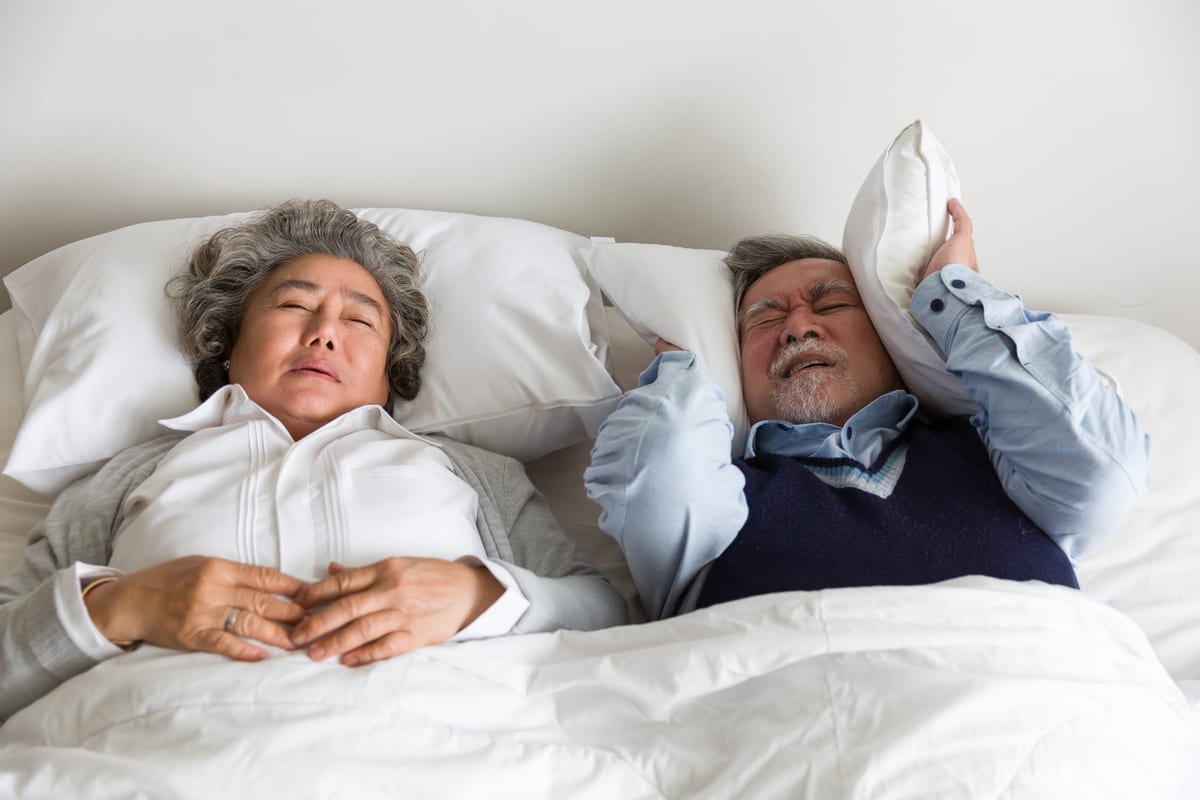
Teeth grinding, known clinically as bruxism, frequently goes hand in hand with stress. Many people grind their teeth during sleep and never notice it. A sleeping partner may hear the grinding sound before the patient ever suspects a problem. Understanding why your jaw pain might be caused by stress and teeth grinding in Beverly Hills helps patients connect their daily habits to their symptoms.
Bruxism places enormous pressure on the teeth, jaw muscles, and joints. This repeated pressure wears down tooth enamel and strains the TMJ. Left untreated, bruxism can lead to cracked teeth and worsening joint damage. Early intervention from a specialist like Dr. Harouni can prevent these serious complications.
Other Risk Factors That Contribute to TMJ Disorders
Stress and bruxism are not the only culprits. Several other conditions can cause or worsen TMJ dysfunction. Identifying all contributing factors leads to a more complete and lasting treatment plan.
Key risk factors include:
- Bite misalignment: When upper and lower teeth do not fit together properly, the jaw compensates. This constant adjustment strains the TMJ over time.
- Arthritis: Both osteoarthritis and rheumatoid arthritis can damage the cartilage inside the TMJ. This leads to pain, stiffness, and reduced jaw movement.
- Past jaw injury: A previous fracture, dislocation, or impact to the jaw can cause long-term joint instability. Symptoms may not appear until months or years after the initial injury.
- Hormonal factors: Research suggests women are more frequently affected by TMJ disorders. Hormonal fluctuations may influence joint laxity and pain sensitivity.
- Poor posture: Forward head posture puts strain on the neck and jaw muscles. This imbalance can contribute to TMJ dysfunction over time.
Understanding which factors apply to you is critical. Dr. Harouni conducts thorough evaluations to assess every potential contributor. A personalized approach produces much better outcomes than a one-size-fits-all treatment.
How Bite Misalignment and Jaw Injury Play a Role
Bite misalignment, or malocclusion, is a surprisingly common cause of jaw pain. When your teeth do not meet evenly, your jaw muscles work harder to compensate. That extra effort leads to fatigue, soreness, and eventually TMJ strain. Many patients never connect their bite to their jaw pain until a specialist points it out.
Previous jaw injuries are another frequently missed cause. A car accident, sports collision, or even a dental procedure can affect jaw alignment. The joint may heal improperly, creating long-term dysfunction. Patients often dismiss old injuries without realizing they still affect their daily comfort.
Arthritis deserves special attention as well. TMJ arthritis causes progressive cartilage breakdown inside the joint. This results in bone-on-bone friction, which is painful and degenerative. Catching arthritis-related TMJ damage early allows for better management and slower progression.
TMJ Treatment Options Available at Beverly Hills Oral & Facial Surgeon
Dr. Sam Harouni offers comprehensive TMJ treatment tailored to each patient’s needs. Treatment begins with a full clinical evaluation and imaging when necessary. From there, a customized plan addresses the specific causes of your jaw pain.
Common treatment approaches include:
- Custom night guards: These oral appliances prevent grinding during sleep. They reduce pressure on the TMJ and protect tooth enamel.
- Occlusal adjustments: Correcting bite misalignment reduces uneven stress on the jaw joints.
- Physical therapy guidance: Jaw exercises and stretches help restore normal muscle function.
- Stress management support: Identifying stress triggers helps patients reduce unconscious clenching habits.
- Medication management: Anti-inflammatory medications can reduce swelling and short-term pain.
For patients who also struggle with disrupted sleep, Dr. Harouni provides Sleep Apnea Treatment. Sleep apnea and TMJ disorders often coexist and share overlapping symptoms. Treating both conditions together leads to significantly better quality of life.
Our practice also offers advanced surgical options for patients with severe TMJ damage. We are committed to exploring the least invasive approach first. Surgery is only considered when conservative treatments have not provided relief.
When to Seek Professional Help for Jaw Pain
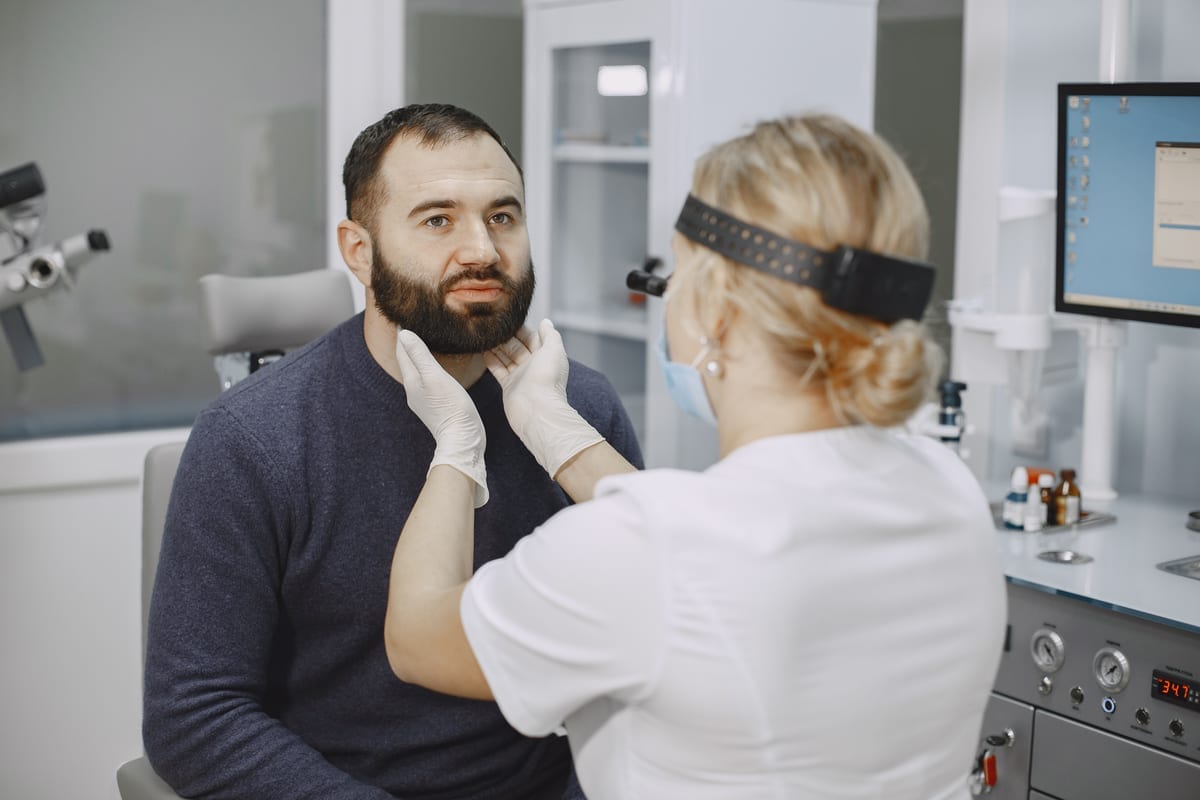
Not all jaw pain resolves on its own. If your symptoms persist beyond a few weeks, it is time to see a specialist. Delaying treatment often allows the condition to worsen and become harder to treat.
You should schedule an evaluation if you notice:
- Jaw pain that occurs daily or worsens over time
- Difficulty opening or closing your mouth fully
- Grinding sounds or locking in the jaw joint
- Tooth wear that your dentist has flagged
- Headaches that do not respond to standard remedies
Dr. Harouni and the team at Beverly Hills Oral & Facial Surgeon are here to help. Early diagnosis leads to simpler, more effective treatment. Do not wait until your symptoms become debilitating to reach out.
Conclusion
Jaw pain is rarely just a minor annoyance. It is often a signal that your body needs attention and care. Whether the cause is stress, bruxism, bite misalignment, arthritis, or a past injury, effective treatment is available. Dr. Sam Harouni specializes in diagnosing and treating the root causes of TMJ disorders right here in Beverly Hills. Book Now to schedule your appointment with our team.
Frequently Asked Questions
Can stress really cause jaw pain?
Yes, stress is one of the most common triggers of jaw pain. Stress causes people to clench or grind their teeth, often unconsciously. This places repeated strain on the TMJ and surrounding muscles. Over time, this tension leads to pain, stiffness, and inflammation in the jaw joint.
What is bruxism and how does it affect my jaw?
Bruxism is the clinical term for teeth grinding or clenching. Many people grind their teeth during sleep without being aware of it. The constant pressure damages tooth enamel and strains the TMJ. If left untreated, bruxism can lead to cracked teeth, jaw dysfunction, and chronic pain.
How do I know if I have a TMJ disorder?
Common signs include jaw pain, clicking or popping sounds, limited jaw movement, and frequent headaches. You may also notice tooth sensitivity or earaches without an obvious cause. A specialist like Dr. Sam Harouni can diagnose TMJ disorder through a clinical exam and imaging. Early diagnosis makes treatment much more effective.
Can a past jaw injury cause TMJ problems years later?
Yes, past jaw injuries can contribute to TMJ dysfunction long after the initial event. An old fracture or dislocation may have healed improperly, causing lasting instability. Symptoms sometimes appear months or even years after the original injury. A thorough evaluation helps identify whether a past injury is contributing to your current pain.
What treatments are available for TMJ disorders in Beverly Hills?
Dr. Harouni offers several treatment options depending on the cause and severity of your TMJ disorder. These include custom night guards, bite adjustments, physical therapy guidance, and stress management strategies. In more advanced cases, surgical intervention may be considered. Treatment is always personalized to address the specific factors causing your jaw pain.

Expert Oral Care at Your Fingertips
Experience exceptional oral care tailored to your needs. Contact us to schedule an appointment and explore the transformative possibilities for your oral health. Your brighter smile is just a call away.
