


If you have been dealing with jaw pain, clicking sounds, or chronic headaches, a TMJ evaluation may be exactly what you need. Understanding what your TMJ diagnosis appointment will actually involve in Beverly Hills helps ease anxiety before you walk through the door. Dr. Sam Harouni and his team take a thorough, structured approach to every evaluation. You will leave with real answers — not guesswork.
Why a Structured TMJ Diagnosis Matters
TMJ disorders are complex. The temporomandibular joint connects your jaw to your skull, and dysfunction there can cause a wide range of symptoms. Pain may radiate to your ears, neck, or shoulders. That is why a proper diagnosis requires more than a quick look inside your mouth.
Many patients in Beverly Hills have lived with TMJ symptoms for months or even years. They often assume the pain is from stress or a dental issue. A structured evaluation helps pinpoint the actual source of the problem so treatment targets the right cause from the start.
Skipping a thorough diagnostic process often leads to misdiagnosis. That wastes time and delays relief. A careful, step-by-step evaluation ensures your care plan is built on accurate information.
What to Expect During the Clinical Exam Portion of Your TMJ Diagnosis Appointment in Beverly Hills
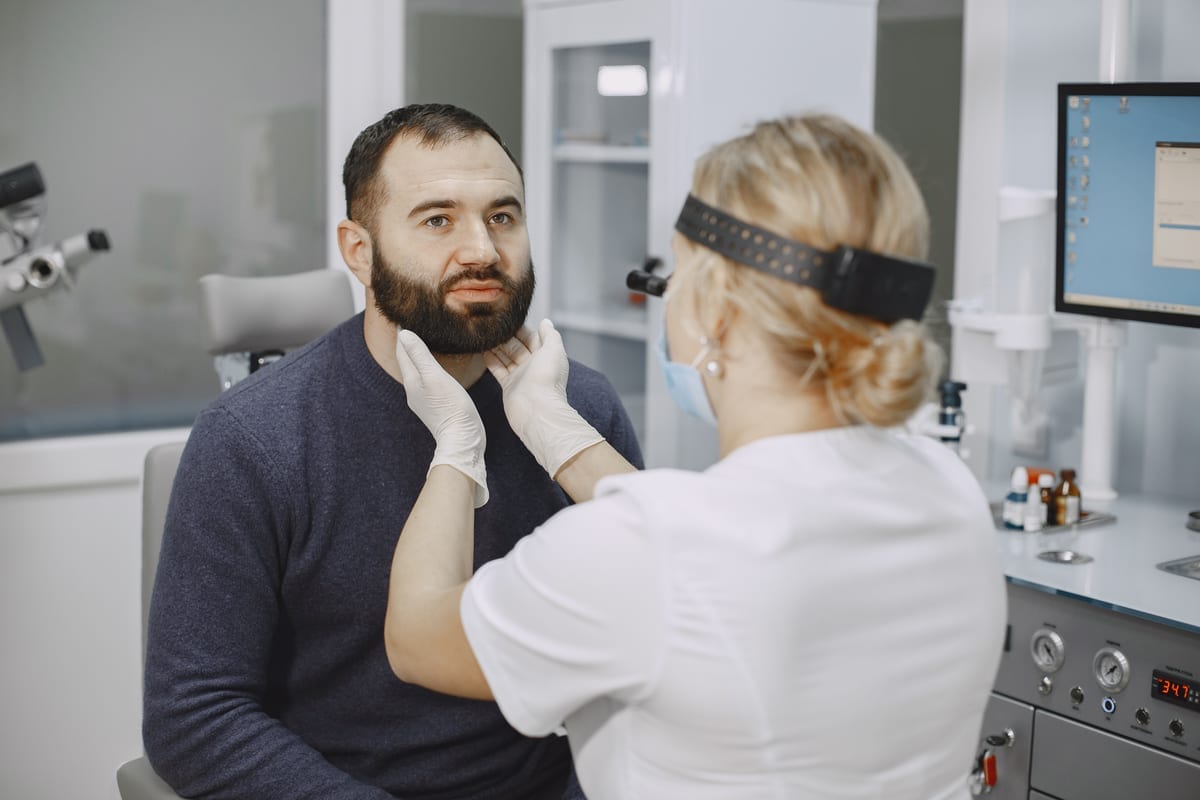
The first major step is a hands-on clinical examination. Dr. Harouni will gently palpate the muscles around your jaw, neck, and temples. This helps identify areas of tenderness, swelling, or muscle spasm. You will be asked to open and close your mouth several times during this process.
The doctor will also listen carefully for sounds your jaw makes. Clicking, popping, or grinding noises are all significant clinical clues. These sounds help indicate whether the disc inside the joint is displaced or damaged. Nothing about this part of the exam is painful.
You will also be asked about your symptom history. Key questions typically include:
- How long have you had jaw pain or stiffness?
- Does the pain get worse in the morning or evening?
- Do you grind or clench your teeth?
- Have you had any recent jaw injuries or dental work?
- Do you experience frequent headaches or ear pain?
Your answers help paint a complete picture of your condition. This context matters just as much as the physical findings.
Imaging and Technology Used in TMJ Diagnosis
A clinical exam alone rarely tells the full story. Imaging plays a critical role in confirming what the hands-on exam suggests. At our Beverly Hills practice, we use advanced imaging to get a clear view of your joint structures.
Panoramic X-rays give a broad overview of your jaw, teeth, and surrounding bone. They help identify obvious structural changes or bone loss around the joint. This type of image is usually the first step in TMJ imaging.
In more complex cases, cone beam computed tomography — commonly called CBCT — may be used. This 3D imaging technology provides a highly detailed look at the bony anatomy of the joint. It allows Dr. Harouni to evaluate the position and condition of joint components with precision.
MRI may occasionally be recommended when soft tissue evaluation is needed. This type of scan shows the disc and surrounding ligaments clearly. It is particularly useful when disc displacement is suspected based on clinical findings.
Bite Analysis and Occlusal Evaluation
Your bite is a central piece of the TMJ diagnostic puzzle. How your upper and lower teeth come together directly affects joint function. An uneven bite places unequal stress on different parts of the jaw joint over time.
During the bite analysis, Dr. Harouni will use thin diagnostic paper to mark where your teeth make contact. This reveals areas of excessive pressure or imbalance. Digital bite sensors may also be used in some evaluations for more precise data.
The occlusal evaluation also looks at wear patterns on your teeth. Heavy wear on certain surfaces indicates habitual clenching or grinding. These habits are closely linked to TMJ disorders and must be addressed in any effective treatment plan.
Bite analysis results are reviewed alongside clinical and imaging findings. This integrated approach ensures nothing is overlooked. It also helps determine whether a dental appliance, physical therapy, or another intervention is the most appropriate next step.
How Your Diagnosis Leads to a Personalized Treatment Plan
Once all evaluation data is collected, Dr. Harouni reviews everything together. He looks at your symptom history, clinical findings, imaging results, and bite analysis as one complete picture. This comprehensive review process leads to a diagnosis that is specific to you — not a generic label.
TMJ treatment options vary widely depending on severity and cause. Some patients benefit from a custom oral appliance worn at night. Others need a combination of approaches including Dental Implants Beverly Hills to restore missing teeth that contribute to bite imbalance. In some cases, patients also need treatment for related conditions like sleep apnea, which shares risk factors with TMJ disorders.
Common treatment directions following a TMJ diagnosis include:
- Custom nightguards or oral splints to reduce joint pressure
- Physical therapy exercises for jaw muscle relief
- Anti-inflammatory protocols to manage acute flare-ups
- Restorative dental work to correct bite imbalances
- Evaluation for Dental Implants Beverly Hills when tooth loss is affecting jaw alignment
Your treatment plan will be explained clearly. You will have the opportunity to ask questions and understand your options before anything is recommended or scheduled.
Preparing for Your TMJ Appointment in Beverly Hills
A little preparation makes your appointment more productive. Come ready to describe your symptoms in detail. Bring a list of any medications you currently take. Note when your symptoms feel worst and what seems to trigger them.
Wear comfortable clothing, especially around the neck and shoulders. The clinical exam involves gentle palpation of those areas. Avoid eating a heavy meal right before your visit, as opening your mouth for extended periods may be uncomfortable on a full stomach.
Most importantly, come with your questions written down. A TMJ diagnosis appointment involves a lot of information. Writing your questions in advance ensures you leave with the clarity you need.
Conclusion
Understanding what your TMJ diagnosis appointment will actually involve in Beverly Hills removes the uncertainty from the process. From the clinical exam to imaging and bite analysis, every step serves a clear purpose. Dr. Sam Harouni takes the time to evaluate your condition thoroughly so that your care plan is accurate and effective. Book Now to schedule your appointment with our team.
Frequently Asked Questions
How long does a TMJ diagnosis appointment usually take?
Most TMJ evaluation appointments take between 60 and 90 minutes. This allows time for a thorough clinical exam, imaging review, bite analysis, and a detailed discussion of findings. Complex cases may require a follow-up visit to review imaging results.
Is the TMJ diagnostic exam painful?
The exam is generally not painful. Dr. Harouni uses gentle palpation techniques during the clinical assessment. Some patients with significant muscle tenderness may feel mild discomfort during this portion, but the process is designed to be as comfortable as possible.
What should I bring to my TMJ diagnosis appointment?
Bring a list of your current medications, a summary of your symptom history, and any previous dental or medical records related to your jaw. It also helps to note when your symptoms started and what makes them better or worse.
Can TMJ be diagnosed without imaging?
A preliminary diagnosis can sometimes be made based on clinical findings alone. However, imaging such as panoramic X-rays or CBCT scans provides important detail about joint structure that the hands-on exam cannot reveal. Imaging leads to a more accurate and complete diagnosis.
Does a TMJ diagnosis mean I need surgery?
Not at all. Most TMJ cases are managed successfully with non-surgical treatments such as oral appliances, physical therapy, or bite correction. Surgery is considered only in rare, severe cases where conservative options have not provided relief.



Expert Oral Care at Your Fingertips
Experience exceptional oral care tailored to your needs. Contact us to schedule an appointment and explore the transformative possibilities for your oral health. Your brighter smile is just a call away.
