


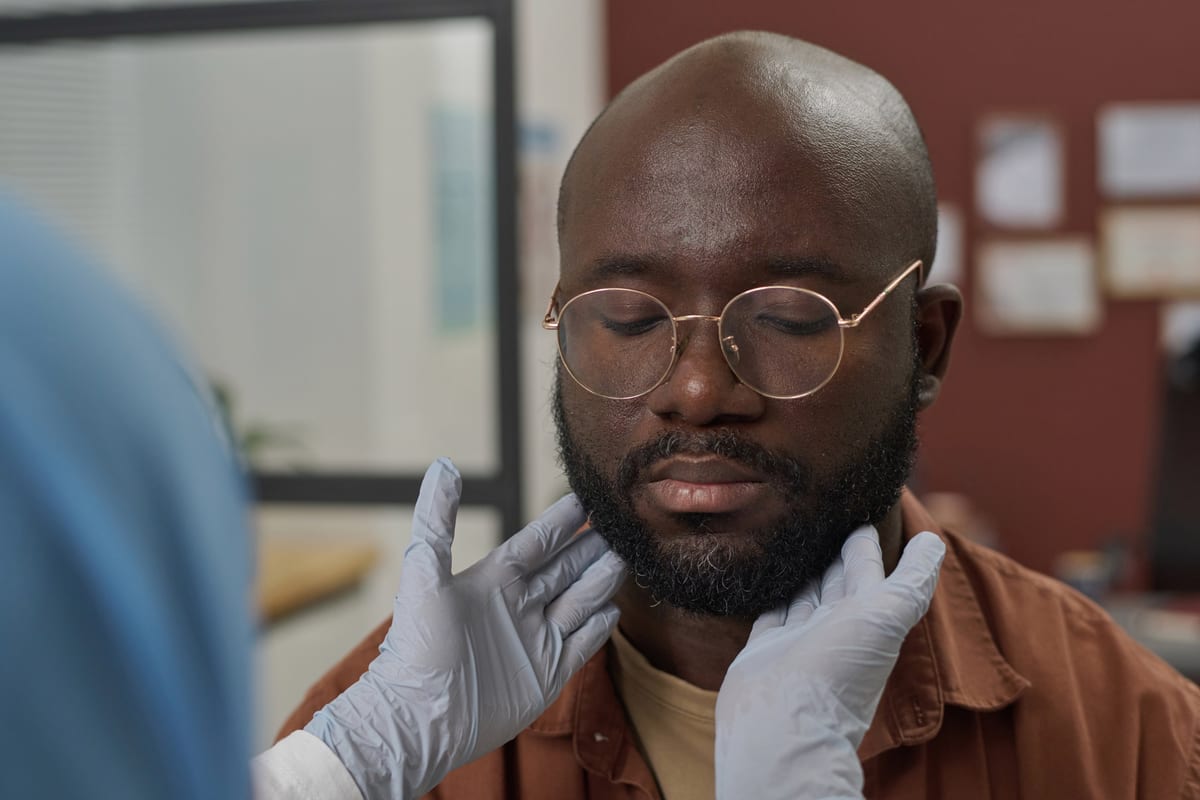
If you wake up with a sore jaw or dull headache, you may already know the culprit. Teeth grinding — also called bruxism — affects millions of people. But understanding why your teeth grinding is making your jaw pain worse in Westwood requires a closer look at a damaging cycle. Bruxism and TMJ dysfunction do not just coexist. They actively fuel each other, making both conditions harder to manage over time.
What Happens to Your Jaw When You Grind Your Teeth
Your temporomandibular joint — the TMJ — connects your lower jaw to your skull. It handles every bite, chew, and yawn you take. When you grind your teeth, enormous pressure travels directly into this joint.
That repeated stress inflames the joint’s soft tissues. It wears down the cartilage that cushions the bones. Over time, the joint loses its ability to move smoothly and comfortably.
Many Westwood patients notice jaw clicking, popping, or limited mouth opening. These are early warning signs of joint damage. Ignoring them allows the problem to deepen and become much harder to reverse.
Why Your Teeth Grinding Is Making Your Jaw Pain Worse in Westwood
Here is the part most people miss. Joint pain from TMJ damage actually triggers more grinding. Your nervous system responds to jaw discomfort by tensing the surrounding muscles. That muscle tension leads to more clenching — even during sleep.
This creates a self-reinforcing loop. Grinding damages the joint. Joint pain increases muscle tension. Muscle tension causes more grinding. Each cycle makes the next one worse.
Westwood residents who commute, work long hours, or carry high stress levels are especially vulnerable. Stress is one of the most common bruxism triggers. When stress is chronic, the grinding rarely stops on its own.
Common signs that you are caught in this cycle include:
- Morning jaw soreness or stiffness
- Frequent tension headaches near the temples
- Worn, flattened, or chipped teeth
- Clicking or locking of the jaw joint
- Facial muscle fatigue after waking
- Ear pain or a sensation of fullness near the jaw
How TMJ Damage Compounds Over Time Without Treatment
Left untreated, the bruxism-TMJ cycle does not plateau. It accelerates. The joint surfaces continue to degrade with every episode of grinding. Eventually, the structural damage can become significant.
Advanced TMJ dysfunction may cause chronic pain that radiates into the neck, shoulders, and ears. Some patients develop difficulty chewing or even speaking comfortably. Sleep quality also suffers, since grinding often peaks during certain sleep stages.
Poor sleep creates its own problems. Fatigue increases stress, and stress increases grinding. The cycle tightens further. This is why early intervention matters so much for Westwood patients dealing with jaw discomfort.
Tooth damage adds another layer of concern. Severely worn teeth lose their proper height and alignment. This shifts how your jaw closes, which places new and uneven stress on the TMJ. Tooth loss, when it occurs, may eventually require solutions like Implant Bridges or Implant Overdentures to restore proper bite function.
Sleep Apnea, Bruxism, and the Jaw Pain Connection
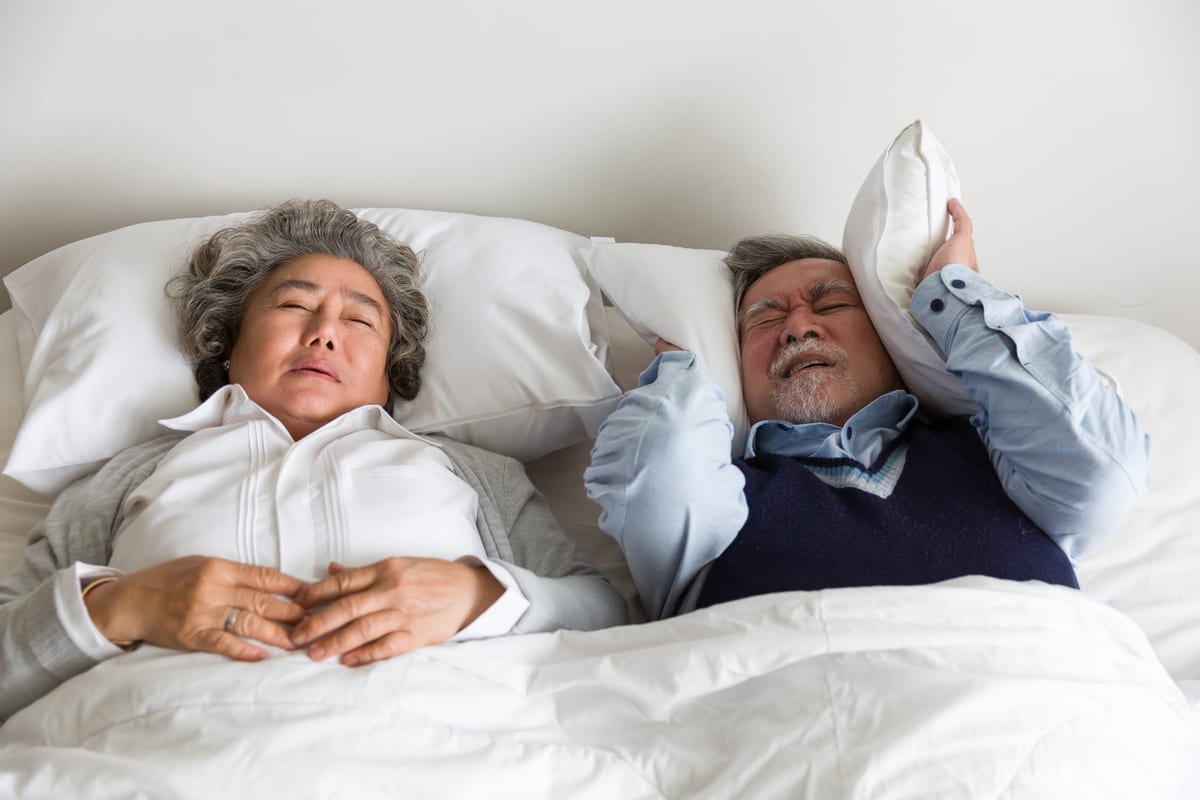
There is another important piece of this puzzle. Research increasingly links sleep apnea with nighttime bruxism. When your airway partially collapses during sleep, your body may respond by clenching the jaw. This reflex helps reopen the airway, but it also grinds the teeth.
Many Westwood patients with unexplained bruxism actually have undiagnosed sleep apnea. Treating the airway problem often reduces nighttime grinding significantly. This is why a thorough evaluation matters before jumping to a single-source solution.
Dr. Sam Harouni at Beverly Hills Oral & Facial Surgeon evaluates both TMJ function and airway health. This integrated approach helps patients understand the full picture of what is driving their symptoms. Addressing only one factor while ignoring the other rarely leads to lasting relief.
How to Interrupt the Bruxism-TMJ Cycle
Breaking this cycle requires a targeted, multi-step strategy. No single treatment addresses every contributing factor. The goal is to reduce joint stress, calm muscle tension, and protect the teeth simultaneously.
Effective approaches typically include the following:
- Custom nightguards — These devices cushion the teeth and reduce grinding forces on the joint during sleep.
- TMJ treatment — Targeted therapy helps calm joint inflammation and restore proper jaw mechanics.
- Sleep apnea evaluation — Identifying and treating airway issues can dramatically reduce nighttime bruxism.
- Stress management support — Reducing the root cause of tension lowers the frequency of clenching episodes.
- Bite correction — When worn teeth alter how the jaw closes, restoring proper bite alignment relieves TMJ strain.
Every patient’s cycle has different entry points and triggers. A personalized evaluation helps identify where the cycle is strongest and where intervention will be most effective. Westwood patients benefit from working with a specialist who understands both the surgical and non-surgical dimensions of jaw health.
When to See a Specialist About Your Jaw Pain
Many people dismiss jaw pain as stress-related and wait for it to resolve. Sometimes it does. More often, the underlying cycle continues quietly in the background. By the time symptoms become severe, meaningful damage has already occurred.
You should schedule a consultation if you experience persistent jaw soreness, frequent headaches, tooth wear, or clicking joints. Early evaluation gives you the most treatment options and the best outcomes. Westwood residents have access to specialized oral and facial surgery care nearby in Beverly Hills.
Dr. Sam Harouni brings years of expertise in both TMJ treatment and sleep apnea management. His approach is thorough, empathetic, and grounded in the latest clinical evidence. You do not have to live with grinding, pain, and disrupted sleep. Book Now to schedule your appointment with our team.
Frequently Asked Questions
Can teeth grinding cause permanent damage to the TMJ?
Yes, chronic bruxism can cause lasting damage to the temporomandibular joint. Repeated grinding wears down cartilage, inflames soft tissues, and may alter the joint’s structural integrity over time. Early treatment significantly reduces the risk of permanent changes.
How do I know if my jaw pain is from grinding or something else?
Common signs of bruxism-related jaw pain include morning soreness, worn or flattened teeth, temple headaches, and joint clicking. A dental or oral surgery evaluation can confirm whether grinding is the primary cause and rule out other contributing factors.
Does stress always cause teeth grinding?
Stress is one of the most common triggers for bruxism, but it is not the only one. Sleep apnea, bite misalignment, and certain medications can also contribute. Many patients have multiple overlapping factors driving their grinding habits.
Is a nightguard enough to stop the bruxism-TMJ cycle?
A nightguard protects your teeth and reduces some joint pressure, but it does not treat the underlying cause. If sleep apnea, bite problems, or significant TMJ damage are present, additional therapies are typically needed to break the full cycle.
How long does TMJ treatment take to work?
Treatment timelines vary depending on the severity of joint damage and the presence of contributing factors like sleep apnea. Many patients notice meaningful improvement within a few weeks to a few months. A personalized plan from a specialist gives you the most accurate expectations.


Expert Oral Care at Your Fingertips
Experience exceptional oral care tailored to your needs. Contact us to schedule an appointment and explore the transformative possibilities for your oral health. Your brighter smile is just a call away.
