


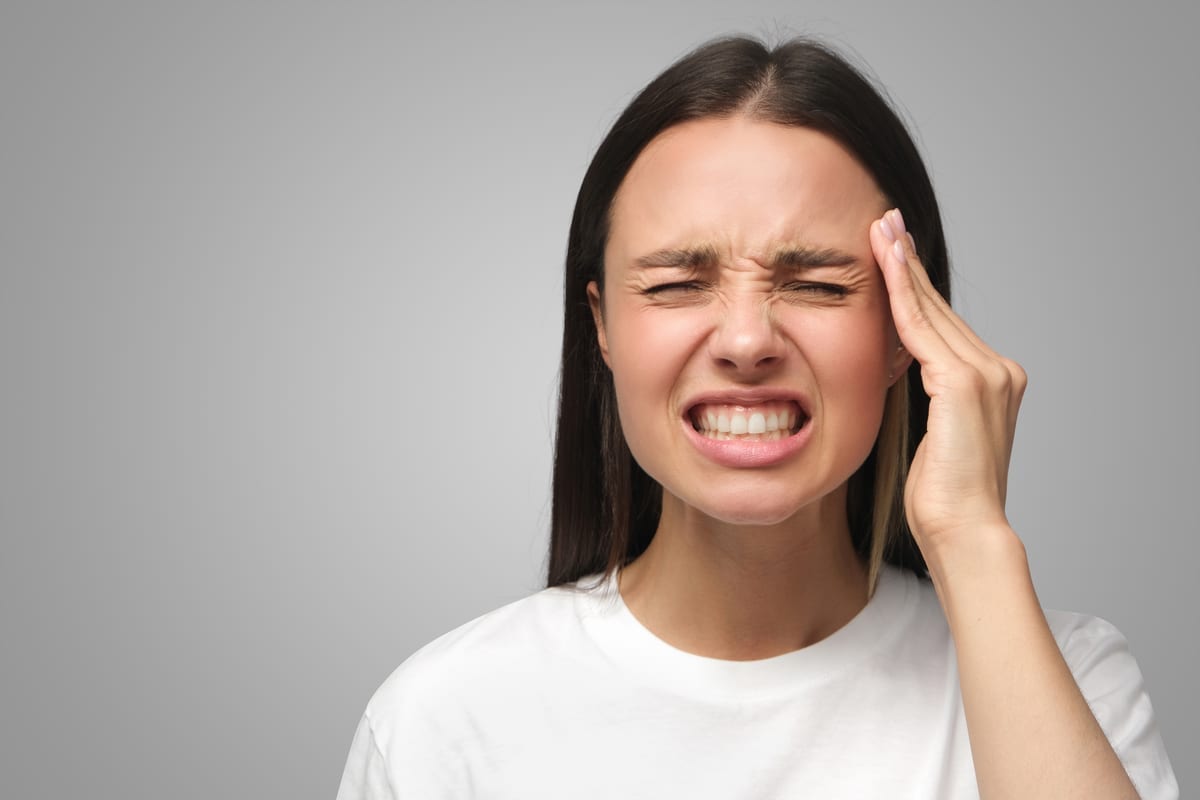
If you live in the Westwood area and deal with recurring headaches, you may have tried everything — hydration, rest, over-the-counter pain relievers. Yet the headaches keep coming back. Here is something many patients never consider: that persistent headache might actually be your jaw. TMJ dysfunction is one of the most underdiagnosed causes of chronic head pain, and Dr. Sam Harouni at Beverly Hills Oral & Facial Surgeon sees Westwood patients with this issue regularly.
The temporomandibular joint — your TMJ — connects your jawbone to your skull. It controls every bite, chew, and yawn. When this joint is strained or misaligned, it sends pain signals far beyond your mouth. Learning to recognize these signals can be the first step toward real, lasting relief.
Why TMJ Headaches Feel Just Like Regular Headaches in Westwood
That persistent headache might actually be your jaw — and the reason it fools so many Westwood patients is simple. TMJ-related headaches mimic tension headaches almost perfectly. They typically build around the temples, behind the eyes, or across the forehead.
These headaches often appear in the morning. If you grind your teeth at night, your jaw muscles work overtime while you sleep. By the time you wake up, those overworked muscles are already inflamed and tight.
Many patients also notice their headaches worsen after eating, talking for long periods, or stressful workdays. These are all activities that load the jaw. Recognizing this connection is critical to getting the right diagnosis.
The Full Range of TMJ Symptoms You May Not Recognize
TMJ dysfunction rarely causes just one symptom. It tends to produce a cluster of complaints that patients often attribute to separate, unrelated problems. Here are the most common symptoms Dr. Harouni observes in TMJ patients:
- Jaw pain or soreness — especially in the morning or after meals
- Clicking or popping sounds — when opening or closing your mouth
- Ear pain or fullness — often mistaken for an ear infection
- Neck stiffness or shoulder tension — caused by referred muscle strain
- Facial soreness — along the cheeks or around the eyes
- Difficulty opening your mouth wide — or a feeling that your jaw locks
- Tooth sensitivity — from clenching and grinding pressure
Patients frequently visit their primary care doctor for ear pain, only to be told their ears look fine. They see a neurologist for chronic headaches but get no clear answer. The jaw is rarely the first thing anyone checks — but often it should be.
How Jaw Misalignment Triggers Pain Far From Your Mouth
The jaw is connected to a network of muscles, nerves, and connective tissue. When the TMJ is under stress, that strain does not stay localized. It travels.
The trigeminal nerve is the largest cranial nerve in the human face. It runs through the jaw region and branches outward toward the temples, forehead, and ears. Irritation near the TMJ can activate this nerve, producing pain signals across a wide area.
Muscle tension compounds the problem. The masseter and temporalis muscles — both involved in chewing — attach near the temples. When these muscles are chronically tight, they create the same throbbing sensation as a tension headache.
Neck stiffness is another common result. The muscles that stabilize your jaw also connect to your cervical spine. Ongoing jaw tension can pull these muscles tight, leading to stiffness, soreness, and reduced range of motion in the neck and shoulders.
TMJ Treatment Options That Actually Address the Source
Treating a TMJ headache with ibuprofen does not fix the underlying problem. It only masks the symptom temporarily. Effective TMJ treatment targets the joint and surrounding muscles directly.
At Beverly Hills Oral & Facial Surgeon, Dr. Harouni takes a thorough, patient-centered approach to TMJ care. Treatment options vary depending on your specific symptoms and the severity of the joint dysfunction.
Common treatment approaches include:
- Custom night guards — to prevent grinding and reduce joint pressure during sleep
- Occlusal adjustments — correcting how your teeth come together to reduce strain
- Physical therapy exercises — stretching and strengthening the jaw muscles
- Anti-inflammatory strategies — to reduce joint swelling and irritation
- Botox injections — relaxing overactive jaw muscles in select cases
- Lifestyle modifications — dietary changes, stress management, and posture correction
Dr. Harouni also evaluates patients for related conditions. Sleep apnea and TMJ dysfunction often co-occur. Teeth grinding, a common TMJ trigger, is also closely linked to disrupted sleep patterns. Addressing both conditions together produces better long-term outcomes.
When to Seek Professional Evaluation in Westwood
You should not wait until the pain becomes unbearable. Early evaluation leads to simpler, more effective treatment. If you experience any of the following, it is time to schedule a consultation:
Your headaches have lasted more than a few weeks without a clear cause. You notice jaw clicking, popping, or locking alongside your head pain. You wake up with sore teeth, a tired jaw, or facial tension. You have been told you grind your teeth at night.
Dr. Harouni serves patients throughout Beverly Hills and the greater Westwood area. His practice specializes in oral and facial conditions, making him uniquely qualified to evaluate and treat complex jaw problems. A thorough examination — including imaging when needed — can reveal whether your jaw is the true source of your symptoms.
Do not let another month pass accepting headaches as normal. That persistent headache might actually be your jaw, and the right care can make a genuine difference in your daily quality of life. Book Now to schedule your appointment with our team.
Frequently Asked Questions
How do I know if my headache is caused by TMJ and not a regular tension headache?
TMJ headaches often come with additional jaw-related symptoms like clicking, popping, morning jaw soreness, or ear pain. They also tend to worsen after chewing or prolonged talking. A dental professional like Dr. Harouni can perform a clinical evaluation to identify whether your jaw joint is involved.
Can TMJ dysfunction really cause ear pain?
Yes. The temporomandibular joint sits very close to the ear canal. Inflammation or dysfunction in this joint can create a sensation of pressure, fullness, or pain in the ear. Many patients are initially evaluated for ear infections before the true TMJ cause is identified.
Is TMJ treatment painful or invasive?
Most TMJ treatments are non-invasive and focus on reducing muscle strain and joint pressure. Options like custom night guards, exercises, and lifestyle adjustments are comfortable and well-tolerated. Dr. Harouni discusses all treatment options with you before beginning any care.
How long does it take to feel relief from TMJ treatment?
Many patients notice improvement within a few weeks of beginning treatment. Results vary depending on the severity of the dysfunction and how consistently the treatment plan is followed. Early intervention generally leads to faster and more complete recovery.
Does jaw grinding always cause TMJ problems?
Chronic teeth grinding — called bruxism — is one of the most common contributors to TMJ dysfunction. It places repeated stress on the joint and surrounding muscles. Not everyone who grinds their teeth will develop TMJ disorder, but it significantly increases the risk over time.


Expert Oral Care at Your Fingertips
Experience exceptional oral care tailored to your needs. Contact us to schedule an appointment and explore the transformative possibilities for your oral health. Your brighter smile is just a call away.
