


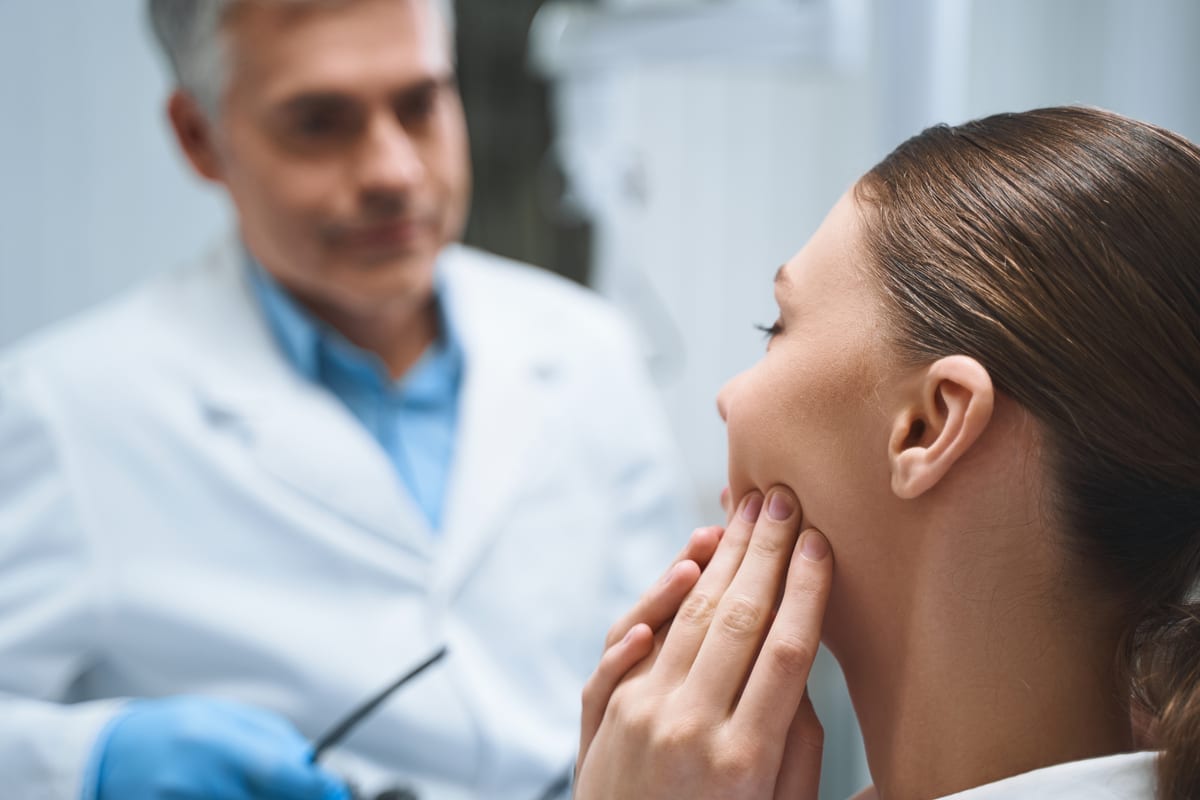
Jaw pain can feel mysterious and exhausting. One moment you are eating breakfast, and the next your jaw aches, clicks, or locks up. If you live in Beverly Hills and you are searching for answers, you are not alone. Understanding the five hidden causes of your jaw pain—and how to stop them in Beverly Hills—is the first step toward real relief. Dr. Sam Harouni and the team at Beverly Hills Oral & Facial Surgeon help patients identify the root causes of jaw discomfort every day.
What Is TMJ Disorder and Why Does It Matter?
Your temporomandibular joint (TMJ) connects your lower jaw to your skull. It controls every chew, yawn, and word you speak. When something disrupts this joint, pain and dysfunction follow quickly. TMJ disorder is an umbrella term for a range of problems affecting this joint and the muscles around it.
TMJ disorder is more common than most people realize. The American Academy of Orofacial Pain estimates that over 10 million Americans experience TMJ-related issues. Symptoms include jaw pain, headaches, ear ringing, and difficulty opening your mouth fully. Left untreated, TMJ disorder can worsen significantly over time.
Identifying the specific cause of your TMJ disorder is critical. Treatment approaches vary widely depending on the underlying issue. A precise diagnosis leads to faster, more effective relief. That is exactly what Dr. Harouni focuses on during every evaluation.
Cause One and Two: Bruxism and Chronic Stress
Bruxism—grinding or clenching your teeth—is one of the most common hidden causes of jaw pain. Many people grind their teeth at night without ever knowing it. The repetitive pressure wears down enamel and strains the jaw muscles severely. Over time, this creates persistent soreness and TMJ inflammation.
Stress is deeply connected to bruxism. When you are anxious or overwhelmed, your body holds tension in your jaw. Beverly Hills residents often lead high-pressure lifestyles. That daily stress can translate directly into unconscious clenching during the day and grinding at night.
Signs that bruxism may be behind your jaw pain include:
- Waking up with a sore or stiff jaw
- Headaches concentrated near your temples
- Tooth sensitivity that seems unexplained
- A partner noticing grinding sounds while you sleep
- Worn, flattened, or chipped teeth
Dr. Harouni often recommends a custom nightguard as an early intervention. Stress-management strategies and muscle relaxation techniques also play an important role. Addressing bruxism early prevents far more serious joint damage down the road.
Cause Three and Four: Bite Misalignment and Arthritis
A misaligned bite places uneven stress on your TMJ with every bite you take. When your upper and lower teeth do not meet properly, certain muscles compensate by working harder. That imbalance creates chronic strain across the jaw joint. Over months and years, this strain causes real, measurable damage.
Bite misalignment can develop from many sources. Missing teeth, poorly fitted dental restorations, or natural developmental changes can all shift your bite. This is one reason replacing missing teeth matters for more than just aesthetics. A well-aligned bite protects your entire jaw system from unnecessary stress.
Arthritis is another often-overlooked cause of TMJ pain. Both osteoarthritis and rheumatoid arthritis can affect the temporomandibular joint directly. Osteoarthritis degrades the cartilage inside the joint over time. Rheumatoid arthritis triggers inflammation that damages joint tissue from the inside out.
Patients with arthritis-related TMJ pain often notice:
- A grinding or grating sensation when moving the jaw
- Progressive stiffness that worsens in the morning
- Swelling or tenderness directly over the joint
- Pain that gradually increases over weeks or months
Managing arthritis in the TMJ requires a multi-disciplinary approach. Dr. Harouni works with patients to reduce inflammation, protect remaining joint structure, and restore comfortable function. Early intervention consistently produces the best long-term outcomes.
Cause Five: Past Jaw Injury
A previous injury to the jaw is a surprisingly common hidden cause of current pain. Sports impacts, car accidents, or even a difficult dental extraction can alter how the TMJ functions. The damage may not produce symptoms immediately. Instead, inflammation and structural changes develop quietly over months or even years.
Many Beverly Hills patients are surprised to learn that a fall from childhood or a sports injury in high school is now contributing to their adult jaw pain. The TMJ absorbs a significant amount of force during trauma. Even injuries that seemed minor at the time can create lasting instability in the joint.
Past injuries can also displace the soft disc inside the TMJ. When this disc shifts out of position, it creates clicking, popping, or locking sensations. These symptoms often intensify gradually rather than appearing all at once. Identifying a prior injury history helps Dr. Harouni create a more targeted, effective treatment plan.
How Beverly Hills Oral & Facial Surgeon Can Help You Stop the Pain
Understanding what is causing your jaw pain is only half the battle. The other half is getting the right treatment from a qualified specialist. Dr. Sam Harouni offers comprehensive TMJ Treatment at Beverly Hills Oral & Facial Surgeon. He uses advanced diagnostics to pinpoint your specific cause and build a personalized care plan.
Treatment options vary depending on your diagnosis and may include:
- Custom occlusal splints or nightguards for bruxism
- Bite correction therapies to address misalignment
- Anti-inflammatory treatments to calm arthritic joints
- Sleep Apnea Treatment when airway issues contribute to jaw strain
- Physical therapy referrals and stress-reduction guidance
For patients who also have missing teeth contributing to bite problems, Dental Implants Beverly Hills can restore proper occlusion and reduce TMJ strain long term. Many patients do not realize that tooth loss and jaw pain are closely connected. Replacing missing teeth is sometimes a critical part of a comprehensive TMJ treatment plan. If you are exploring implant options, Dental Implants Beverly Hills offers another helpful resource to get started.
Dr. Harouni takes a patient-centered approach to every case. He listens carefully, explains your options clearly, and never rushes your care. His goal is to help you understand what is happening in your jaw and why the recommended treatment makes sense for your specific situation.
Take the Next Step Toward a Pain-Free Jaw in Beverly Hills
Jaw pain is not something you have to simply live with. The five hidden causes explored here—bruxism, stress, bite misalignment, arthritis, and past jaw injury—are all treatable with the right guidance and care. Beverly Hills residents have access to specialized, compassionate expertise right in their community. Do not wait for your symptoms to worsen before seeking help. Book Now to schedule your appointment with our team.
Frequently Asked Questions
How do I know if my jaw pain is caused by TMJ disorder?
Common signs of TMJ disorder include clicking or popping when you open your mouth, jaw pain that spreads toward your ears or temples, difficulty chewing, and a jaw that feels stiff or locked. A clinical evaluation with Dr. Harouni is the most reliable way to confirm a TMJ diagnosis and identify your specific cause.
Can stress really cause physical jaw pain?
Yes, absolutely. Stress triggers unconscious muscle tension throughout the body, and the jaw is especially vulnerable. Chronic stress often leads to bruxism—teeth grinding and clenching—which places enormous pressure on the TMJ. Addressing stress is an important part of managing jaw pain for many patients.
Is TMJ disorder a permanent condition?
Not necessarily. Many patients experience significant relief or complete resolution with appropriate treatment. Outcomes depend on the underlying cause, the severity of joint damage, and how early treatment begins. Early intervention consistently leads to better long-term results, which is why seeking care promptly is so important.
Can a missing tooth really contribute to jaw pain?
Yes, missing teeth alter how your bite distributes force across the jaw. When certain teeth are absent, neighboring teeth shift and the jaw muscles compensate unevenly. This imbalance can strain the TMJ over time and contribute to or worsen TMJ disorder symptoms. Restoring missing teeth is sometimes an essential part of TMJ treatment.
What should I expect during my first TMJ consultation with Dr. Harouni?
During your first visit, Dr. Harouni will review your medical and dental history, discuss your symptoms in detail, and perform a thorough clinical examination of your jaw joint and bite. He may also recommend imaging to assess the joint’s condition. You will leave with a clear understanding of your diagnosis and a personalized plan to address your jaw pain effectively.


Expert Oral Care at Your Fingertips
Experience exceptional oral care tailored to your needs. Contact us to schedule an appointment and explore the transformative possibilities for your oral health. Your brighter smile is just a call away.
