


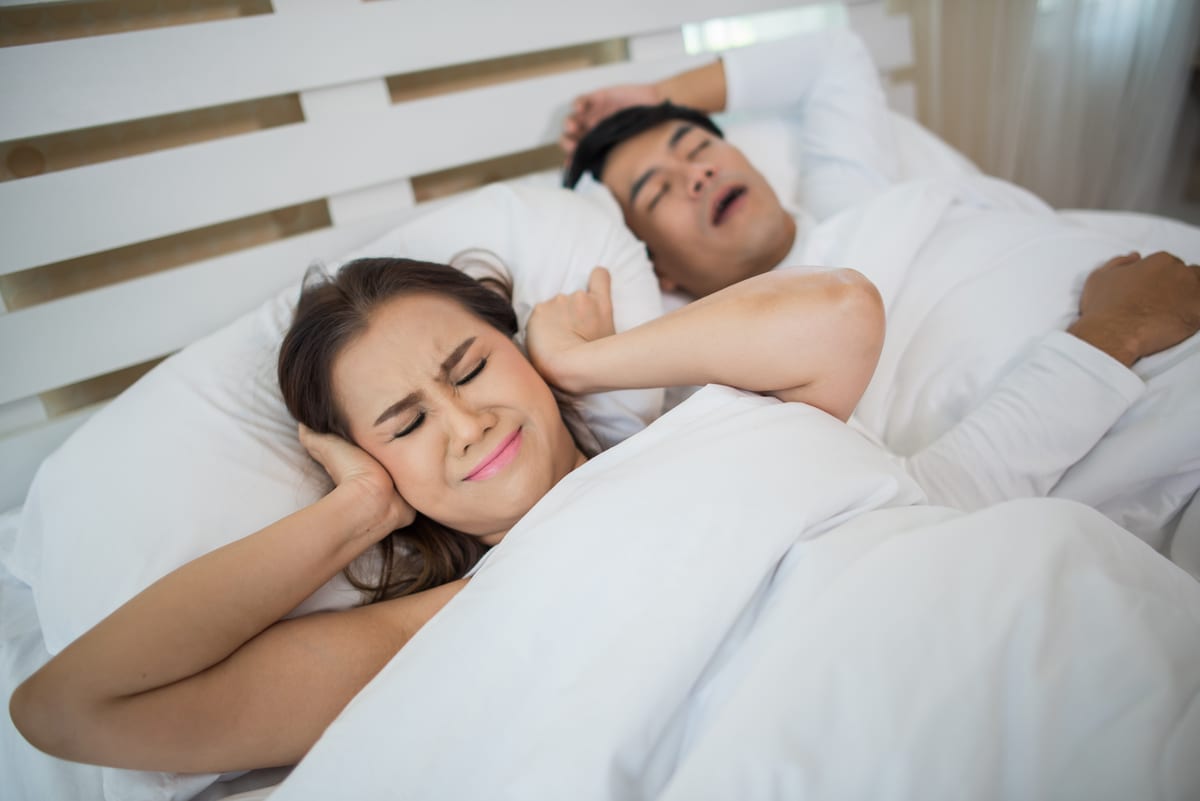
Most people think sleep apnea is just about snoring. The truth is far more serious. Understanding why untreated sleep apnea costs you more than sleep in Beverly Hills means looking beyond fatigue. It means examining what happens to your body, your relationships, and your long-term health when breathing repeatedly stops during sleep.
Dr. Sam Harouni and the team at Beverly Hills Oral & Facial Surgeon see patients every week who delayed treatment for years. Many had no idea how deeply sleep apnea was affecting their daily lives. If you suspect you have sleep apnea, or you have already been diagnosed, this article is for you.
What Sleep Apnea Actually Does to Your Body
Sleep apnea causes your airway to collapse repeatedly during sleep. Each time this happens, your brain briefly wakes you to restore breathing. You may not remember these episodes, but your body certainly does.
Your heart works harder during these interruptions. Oxygen levels drop with each episode. Over time, this creates a serious burden on your cardiovascular system. Research consistently links untreated sleep apnea to high blood pressure, heart disease, and stroke risk.
Common physical effects of untreated sleep apnea include:
- Chronic daytime fatigue and difficulty concentrating
- Increased risk of high blood pressure and heart disease
- Higher likelihood of developing Type 2 diabetes
- Weakened immune system function
- Greater risk of stroke and irregular heart rhythms
- Worsening symptoms of acid reflux
These are not minor inconveniences. These are serious, progressive health consequences that build silently over months and years.
Why Untreated Sleep Apnea Costs Beverly Hills Patients More Over Time
People often delay sleep apnea treatment because they feel they can manage the tiredness. They drink more coffee. They push through the afternoon slump. They assume bad sleep is just part of life. This approach is costly in ways most patients do not anticipate.
Untreated sleep apnea is linked to significantly higher rates of workplace accidents. Drowsy driving causes thousands of injuries annually across the country. Cognitive decline accelerates when the brain is repeatedly deprived of restorative sleep.
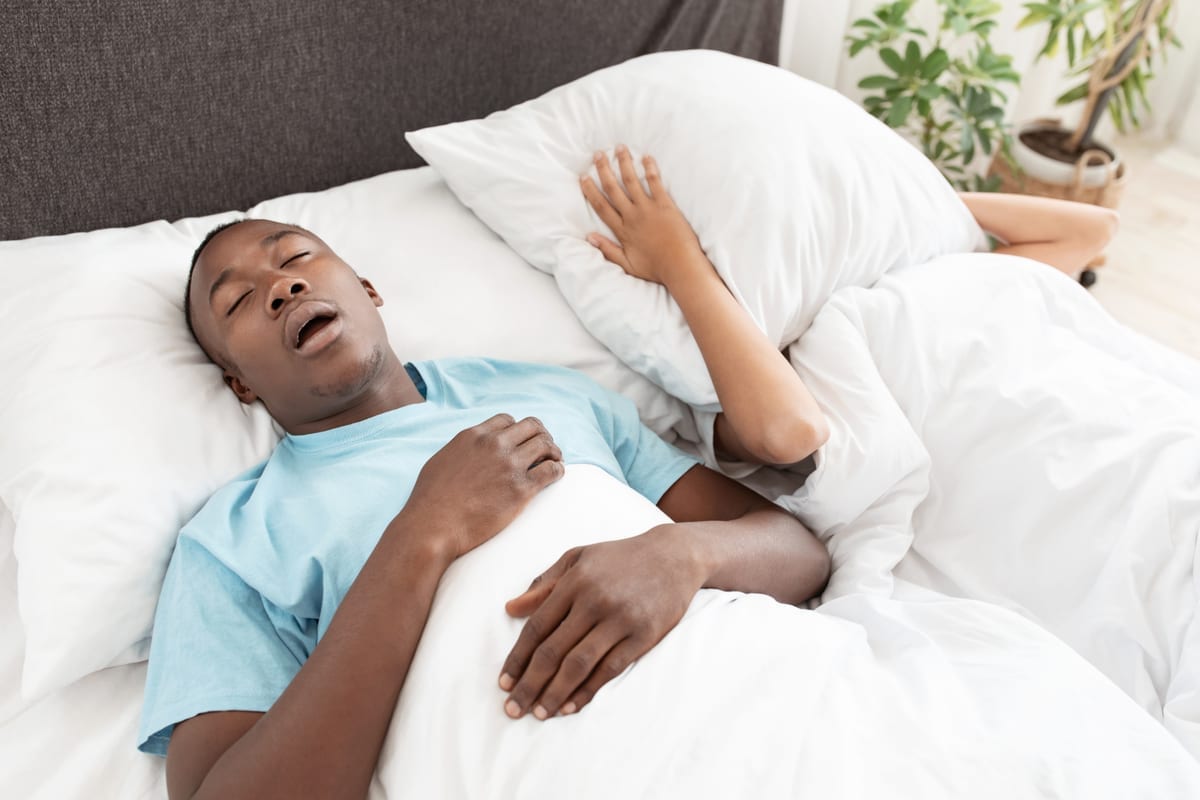
There are also significant relationship costs. Loud snoring disrupts partners and families. Sleep deprivation increases irritability and emotional reactivity. Many patients report that untreated sleep apnea strained their closest relationships before they ever sought help.
The financial toll compounds too. Treating heart disease, diabetes, and hypertension costs far more than addressing sleep apnea early. Prevention and early intervention are always the more affordable path in the long run.
The Connection Between Sleep Apnea and Oral Health
Sleep apnea does not exist in isolation from your oral health. There is a well-established connection between sleep-disordered breathing and conditions like TMJ Treatment. Jaw clenching and teeth grinding often accompany sleep apnea episodes throughout the night.
Patients with untreated sleep apnea frequently develop worn-down teeth. Jaw pain and headaches become chronic complaints. The muscles of the face and neck are strained repeatedly during sleep. This cycle of damage compounds over years without proper intervention.
Oral appliance therapy is one effective treatment option for mild to moderate sleep apnea. A custom-fitted oral device gently repositions the jaw during sleep. This keeps the airway open without the need for a mask or machine. Dr. Sam Harouni can evaluate whether this approach is appropriate for your specific needs.
What to Expect When You Seek Treatment in Beverly Hills
Taking the first step toward sleep apnea treatment feels overwhelming for many patients. Understanding the process makes it far more approachable. Here is what your care journey typically looks like at Beverly Hills Oral & Facial Surgeon:
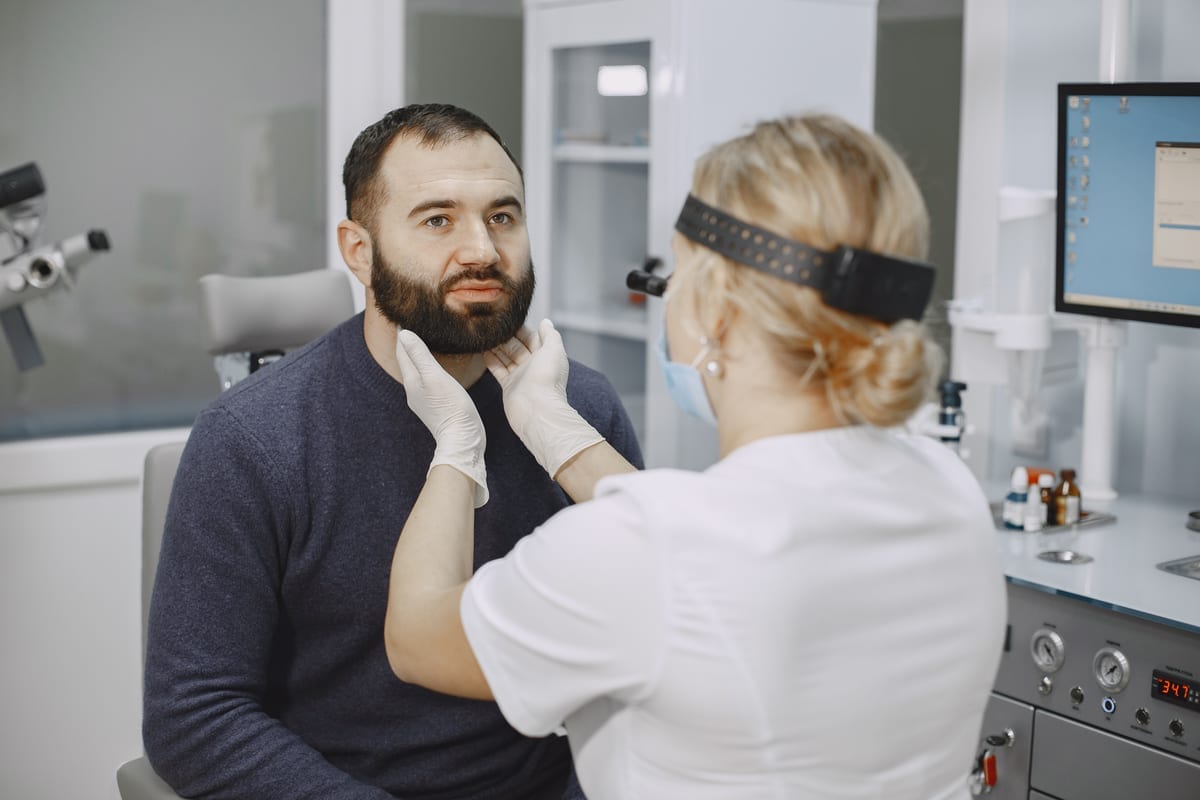
- Initial consultation: Dr. Harouni reviews your symptoms, medical history, and any existing sleep study results.
- Evaluation: A thorough oral and facial examination identifies contributing anatomical factors.
- Treatment planning: A personalized plan is created based on your severity, preferences, and anatomy.
- Appliance fitting: If oral appliance therapy is appropriate, impressions are taken for a custom device.
- Follow-up care: Regular check-ins ensure your treatment is working and adjusted as needed.
The process is collaborative and educational. You will always understand why each step is recommended. The goal is never to overwhelm — it is to empower you with clear information and effective options.
How Sleep Apnea Treatment Fits Into Your Overall Dental Care
Sleep apnea treatment is one part of a broader picture of oral and facial health. Beverly Hills Oral & Facial Surgeon offers comprehensive care designed to address interconnected conditions. Patients who need Dental Implants Beverly Hills services, for example, often benefit from concurrent sleep apnea evaluation.
Sleep quality directly affects healing after oral surgery. Patients who sleep well recover faster and experience fewer complications. Addressing sleep apnea before or alongside other procedures supports better overall outcomes.
For patients exploring restorative options, our team also offers Dental Implants Beverly Hills consultations that integrate seamlessly with your overall care plan. A healthy mouth and restful sleep work together to support your wellbeing.
Dr. Harouni takes a whole-patient approach. He does not treat conditions in isolation. Every recommendation is made with your complete health picture in mind.
Taking Action: Why Now Matters More Than Later
Sleep apnea is a progressive condition. Symptoms rarely improve on their own. Without treatment, the health consequences accumulate quietly. Each night of untreated apnea adds to a growing deficit in your cardiovascular and metabolic health.
Beverly Hills residents have access to experienced, specialized care right in their community. There is no need to travel far or navigate complex referral systems. Dr. Sam Harouni and his team are here to guide you through the process with expertise and compassion.
The earlier you address sleep apnea, the more damage you prevent. You protect your heart. You protect your cognitive function. You protect your relationships and your quality of life. Treatment is not a sacrifice — it is an investment in every waking and sleeping hour ahead of you.
Do not wait for a health crisis to take sleep apnea seriously. The cost of inaction is real, and it grows every day. Book Now to schedule your appointment with our team.
Frequently Asked Questions
What are the most common signs that I might have sleep apnea?
The most common signs include loud or frequent snoring, waking up gasping for air, chronic daytime fatigue, morning headaches, and difficulty concentrating. Your partner may notice you stop breathing briefly during sleep. If you experience several of these symptoms, a professional evaluation is strongly recommended.
Is sleep apnea only a problem for people who are overweight?
No. While excess weight is a contributing factor, sleep apnea affects people of all body types. Facial anatomy, neck size, nasal structure, and tongue position all play significant roles. Children, athletes, and people at a healthy weight can all develop sleep apnea.
Can a dentist really treat sleep apnea, or do I need a sleep doctor?
For mild to moderate obstructive sleep apnea, oral appliance therapy provided by a qualified oral and facial surgeon like Dr. Sam Harouni can be highly effective. For severe cases, a collaborative approach with a sleep physician is often ideal. Your care team will coordinate to ensure you receive the most appropriate treatment.
How does untreated sleep apnea affect my heart health?
Every time your airway collapses during sleep, your oxygen levels drop and your heart rate spikes. Over years, this repeated stress significantly increases your risk of high blood pressure, atrial fibrillation, heart attack, and stroke. Treating sleep apnea is genuinely protective for your cardiovascular system.
What makes oral appliance therapy different from a CPAP machine?
A CPAP machine delivers pressurized air through a mask to keep your airway open. An oral appliance is a small, custom-fitted device worn in the mouth that repositions your lower jaw to prevent airway collapse. Many patients find oral appliances more comfortable, quieter, and easier to use during travel. Dr. Harouni can help determine which option suits your needs best.
Expert Oral Care at Your Fingertips
Experience exceptional oral care tailored to your needs. Contact us to schedule an appointment and explore the transformative possibilities for your oral health. Your brighter smile is just a call away.
